
The most important things to do when you have a roof leak

Allstate Exteriors • January 2, 2023

Your roof needs to be as watertight as possible. Unfortunately, outside elements, such as rain and snow, can find their way into your home. When your roof is leaking, there’s never time to spare. A leak can cause extensive damage to your home, especially if it goes unfixed for too long. That’s why it’s important to spot potential issues early and call a reputable, local roofing contractor ASAP to get the problem under control. Taking immediate action can mitigate the damage – and the cost of repair.

Common Causes of Roof Leaks

Determining the underlying cause of a roof leak is necessary to fix the problem and prevent similar future issues.

  1. Old Age: Once the roofing materials age beyond their expected lifespan, they become brittle and break down over time. As a result, your roof becomes less effective at keeping water out.
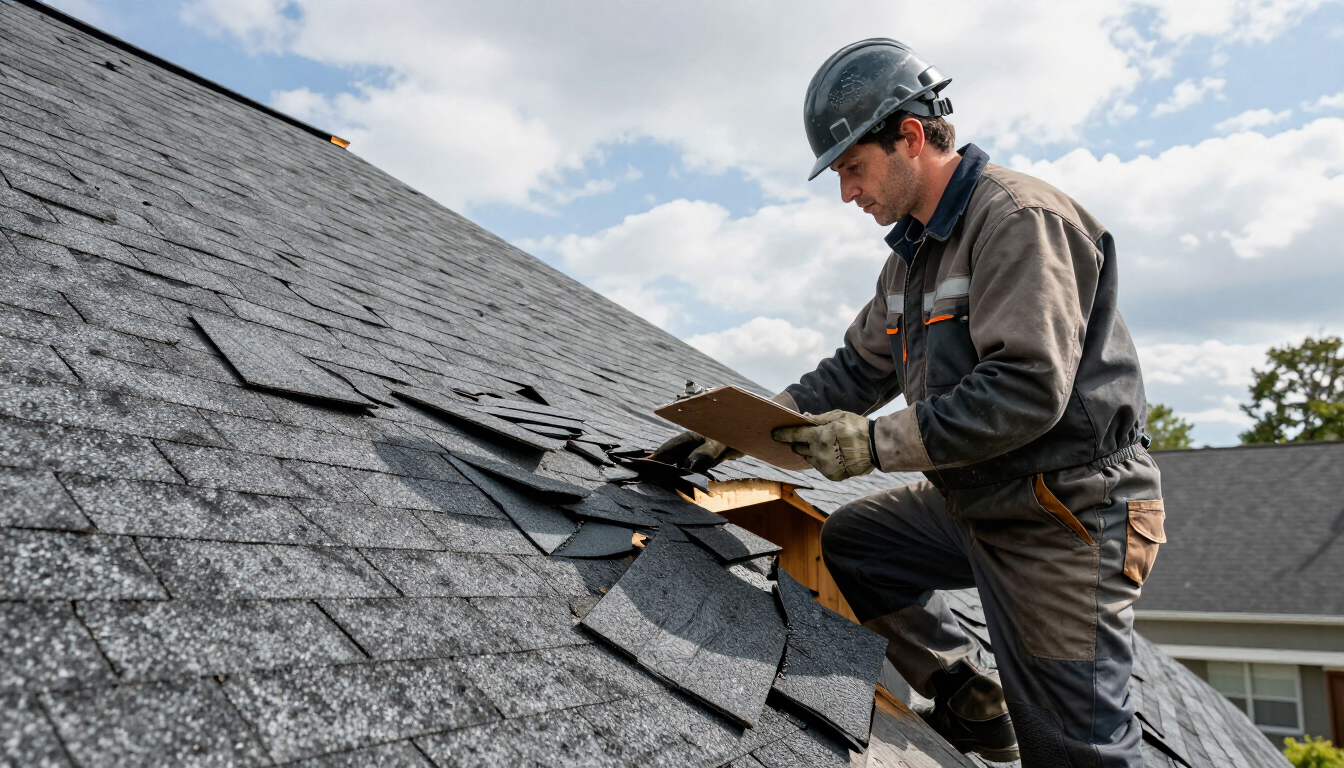
  2. Compromised Shingles: Roofing shingles that are compromised in any way can’t do their job correctly, leaving the other components vulnerable when rain, hail, or snow hits. Improper installation, faulty roofing materials, or extreme weather can cause damage. A fallen tree branch can also puncture the roofing materials.
  3. Damaged Flashing: Flashing is a piece of metal that goes over seams and joints to protect from leaks. Flashing that is not installed correctly can move out of position and allow water to enter. It can also crack, corrode, or get damaged over time, letting water in.
  4. Improperly Driven Nails: A roofing nail can back out of a shingle if it isn’t driven in far enough or is driven in sideways. When it rains, water will follow the nail right inside. 
  5. Clogged Gutters: Sticks, leaves, and other debris can cause water to pool up on the roof, back up under the shingles, ad seep into your home.
  6. Ice Dam Buildup: Ice dams occur when ice lines the edge of your roof due to poor attic ventilation. Ice dams allow water to leak into your roof through any weak points or cracks. 

How to Spot a Roof Leak

How to Spot a Roof Leak

Never climb onto your roof to assess its condition. Instead, look for telltale signs of a leaky roof from the ground and from inside the attic. On the outside, you should look out for the following:

  • Actual dripping 
  • Water stains on walls and ceilings 
  • Dark spots
  • Bulging on walls
  • Sagging
  • Standing water or puddles
  • Damaged insulation
  • Musty smells or moldy odors around roof rafters and sheathing
  • Places where lights shine through

On the outside, keep an eye out for the following:

  • Missing or damaged flashing
  • Mold on exterior walls
  • Damaged, cracked, or missing shingles
  • Damaged plumbing vent boots
  • Clogged or slow-draining gutters
  • Loose material around vents and chimneys
  • Rust is you have a metal roof

As soon as you suspect or spot a leak, your best course of action is to reach out to a roofing contractor. The roofer will thoroughly inspect your roof to determine the cause and location of the roof leak, as well as the extent of the damage. They will also recommend and make whatever repairs are necessary.

What Could Happen if You Ignore a Roof Leak?

Now that you’ve spotted a roof leak, what’s the worst that could happen if you ignore it until it’s a better time for your budget or schedule? To start with, that leak isn’t going to self-repair. And leaving even the most minor leak unaddressed can and will result in more severe issues down the line.

  • Interior Damage

Excessive moisture accumulation can cause significant damage to your roofing system, insulation, ceiling, walls, and personal items. Ignoring that leak gives water more time to corrode and compromise the structural integrity of your home.

  • Health Problems

When water seeps into insulation, walls, and ceiling, it creates the perfect condition for mold growth. Not only is mold unsightly, but it can also cause several health problems. Mold can cause allergic reactions, respiratory problems, and skin irritations. Mold removal can be a costly undertaking.

  • Reduced Roof Lifespan

Regardless of the size, leaks that get overlooked weaken the roof system and necessitate a complete roof replacement much sooner than you would expect.

  • High Energy Bills

Moisture can soak your insulation, reducing its ability to prevent heat transfer. As a result, your HVAC will work harder to keep indoor temperatures at a comfortable level. Heat or conditioned air can also escape through gaps or leaks in the roof. 

Leave Leak Repair to the Professionals

No matter how much you trust your DIY skills, trying to fix the roof yourself may lead to more problems. If your roof is leaking, contact a reputable, local contractor instead of going at it on your own. Here are the reasons why:

  • Roofers are experienced; they know exactly what the problem is and how to fix it
  • They have proper safety measures and equipment to prevent injury
  • They can spot problems that are not obvious to the untrained eye
  • They follow building codes and manufacturer’s guidelines to keep your warranty intact
  • They can quickly respond to any damage
  • They have the tools and manpower needed to get the job done 
  • They deliver professional results
  • High-quality roofing service will extend the lifespan of your roof

Turn to Allstate Exteriors & Restoration for Exceptional Roof Repairs

Who should you call when you have a roof leak? Allstate Exteriors & Restoration! We can stop any roof leak and give your roof the TLC needed to deliver optimal performance. Contact us today to schedule an estimate for your roofing project. We serve homeowners in Central Ohio and Cape Coral, FL.

January 5, 2026
The decorations are finally back in the attic and the kids are back in school—congratulations, you survived! Now that the house is quiet again, you might actually be able to hear those gutters calling for help. The holidays are over, and we are officially back on the clock to protect your family’s #1 asset. Whether it’s a minor fix or a major repair, let’s make sure your home is ready for whatever 2026 throws at it! Let’s be honest. Are you still finding rogue pine needles in the carpet? Is there one stubborn inflatable snowman still half-deflated on the lawn because it’s just too cold to deal with it? We get it. The holidays are a whirlwind of joy, chaos, sugar, and wrapping paper. It’s easy to let things slide when you’re focused on family and festivities. During December, the only thing you want landing on your roof is reindeer paws. But now the calendar has flipped. The in-laws have finally gone home, the kids are back in school, and reality is setting back in. The "holiday fog" has lifted, and you might be noticing things about your house that you successfully ignored for the last six weeks. Perhaps that gutter is sagging a little more noticeably now that the festive lights are gone. Maybe you’re noticing a draft now that the oven isn't running 24/7 baking cookies. While we joke about the post-holiday slump, getting back on track in January is actually vital for homeowners. Your home isn't just where you store your leftover fruitcake; it is likely your family’s most valuable financial asset. It’s the shelter that protects the people you love most. And while you were busy roasting chestnuts, winter weather was busy testing your home’s exterior. The period between the holidays and the thaw of spring is a critical time for seasonal home maintenance. Small issues left unchecked during the freezing months can turn into expensive disasters by March (and none of us deserve that!) Our team is energized and officially back on the clock. We are ready to tackle the projects that got pushed to the back burner during the holiday rush. If you are looking for reliable home repair contractors in Ohio or Florida, now is the time to reach out. We are refocusing our efforts on ensuring your home is watertight, secure, and ready for whatever the rest of winter throws our way. Whether you need a winter roof inspection, are worried about ice dams, or need general exterior repairs, don't wait until a small leak becomes a flooded living room. Let’s make a late New Year's resolution together: No more ignoring the house. Contact us today to schedule an inspection. Let’s ensure your home remains the safe, comfortable sanctuary it was meant to be.
December 31, 2025
Your roof is more than just shingles and nails; it’s the primary shield for your home and everything inside it. When it comes time for a replacement, the estimate you receive is the roadmap for that entire project. At Allstate Exteriors, we believe that a transparent estimate is the foundation of a successful partnership. Unfortunately, not all estimates are created equal. Some are designed to win a job based on price alone, often hiding the "shortcuts" that lead to expensive repairs down the road. Here is how to ensure your roofing estimate is working for you, not against you. The Anatomy of a Quality Estimate A professional estimate should never leave you guessing. If a contractor hands you a single-page document with a total price and little else, that is a major red flag. A comprehensive bid should include: * Specific Materials: It shouldn't just say "shingles." It should list the brand, line (such as Owens Corning Duration Flex), and even the color. * The "Hidden" Components: A quality roof requires more than just shingles. Your estimate should detail the underlayment, ice and water shields, drip edges, and ventilation systems. * Labor and Disposal: Ensure the cost of tearing off the old roof and the fees for hauling away debris are explicitly stated. * Project Timeline: While weather can cause shifts, a professional roofer will provide estimated start and completion dates. Don't Skip the Paperwork Before you look at the bottom line, look at the credentials. In both Ohio and Florida, hiring an unlicensed or uninsured contractor puts the financial burden on you if an accident occurs. Always verify: 1. General Liability Insurance: Protects your property from accidental damage. 2. Workers’ Compensation: Ensures you aren't held liable if a crew member is injured on your property. 3. Manufacturer Certifications: Contractors with elite status, like Platinum Preferred status, can often offer extended warranties that standard installers cannot. The Danger of the "Lowest Bid" It is tempting to choose the cheapest option, especially for a major investment. However, an abnormally low price usually means something is missing. Whether it's using "seconds" (defective materials), skipping the flashing updates, or hiring untrained labor, the initial savings often disappear when the roof fails prematurely. Your Peace of Mind Matters A reputable contractor will never pressure you to sign a contract on the spot. They will walk you through the financing options, explain the warranty terms, and answer every question until you feel confident. Is your current roofing estimate missing these details? Contact Allstate Exteriors, the name you can trust, today for a free and transparent second opinion. We’ll help you compare your quotes and ensure your home gets the protection it deserves.
October 22, 2025
Your home is likely your most significant investment, and the roof is its first line of defense. When it comes time for a replacement, the process often feels less like home improvement and more like a high-stakes gamble. With dozens of contractors promising "unbeatable prices" and "lightning-fast installs," how do you distinguish a true craftsman from a corner-cutter? At Allstate Exteriors, we believe an estimate should be more than just a number, it should be a roadmap. Over the years, we have seen homeowners save a few hundred dollars upfront only to spend thousands later fixing avoidable mistakes. If you want to protect your home and your wallet, you need to learn how to read between the lines. Here are the five critical red flags to watch for before you sign a contract. 1. The "One-Line" Estimate If a contractor hands you a piece of paper that simply says " Roof Replacement: $12,000," they aren't being efficient, they’re being vague. A professional estimate is a detailed inventory of the work to be performed. You deserve to see a breakdown that includes: Specific Materials: Brand names, shingle types, and quantities. Logistics: Costs for labor, tear-off, and debris disposal. The Details: Plans for ventilation, flashing updates, and underlayment. Why it matters: Without transparency, you have no way of knowing if the contractor is using premium materials or the cheapest products available. 2. The Missing Paperwork In the roofing industry, "trust me" isn't a valid business credential. Any reputable company will proactively provide proof of liability insurance and workers’ compensation. If a worker is injured on your property and the company isn't insured, that liability could fall on you. Furthermore, look for manufacturer certifications. At Allstate Exteriors, we are Owens Corning Platinum Preferred Contractors, a distinction held by less than 1% of roofers nationwide. This isn't just a badge; it’s a guarantee that we meet the highest industry standards for installation and safety.
October 21, 2025
Florida homeowners know their roofs take a beating year-round. Between scorching UV rays, high humidity, tropical storms, and salty coastal air, your roof faces some of the harshest conditions in the country. Over time, those elements can cause costly damage if not properly maintained. Below, our experts at Allstate Exteriors break down the most common roof problems in Florida homes — and more importantly, how to prevent them before they turn into bigger issues. 1. Heat and Sun Damage Florida roofs endure intense UV exposure almost every day. Over time, constant sunlight can cause shingles to crack, curl, and lose their granules, reducing their ability to protect your home. Signs of sun damage: Shingles look faded or brittle Granules collecting in your gutters Roof feels extremely hot to the touch Prevention tips: Choose UV-resistant roofing materials like Owens Corning Duration FLEX shingles or metal roofing Schedule annual roof inspections to spot deterioration early Apply reflective coatings to reduce surface temperature 2. Roof Leaks and Water Intrusion Heavy rain is part of life in Florida. When flashing, underlayment, or seals around vents and chimneys fail, water can find its way into your attic and walls. Signs of roof leaks: Ceiling stains or sagging drywall Musty odors or visible mold Water spots near vents or skylights Prevention tips: Have a professional inspection after every major storm Keep gutters clean to prevent water backup Repair cracked caulking or flashing as soon as it’s noticed 3. Wind and Hurricane Damage High winds during Florida’s storm season can lift shingles, tear off flashing, or even expose the roof deck. Once wind gets under your shingles, your roof’s waterproofing is compromised. Prevention tips: Install wind-rated shingles that meet Florida Building Code standards Ensure your roofing nails and fasteners meet manufacturer and code requirements Schedule a post-hurricane inspection with a licensed contractor 4. Mold, Mildew, and Algae Growth Florida’s humid climate creates a breeding ground for algae and mildew — especially on north-facing or shaded roofs. Those dark streaks you see? That’s roof algae, and it can shorten the lifespan of your shingles. Prevention tips: Choose algae-resistant shingles with copper or zinc granules Trim overhanging trees to increase sunlight and airflow Schedule regular roof cleanings (avoid pressure washing!) 5. Poor Installation or Cheap Materials Unfortunately, after every hurricane, “storm chasers” and unlicensed contractors flood into Florida offering cheap roof replacements. Poor workmanship and low-quality materials can lead to leaks, early failure, and voided warranties. Prevention tips: Hire a licensed Florida roofing contractor with strong reviews and credentials (BTW..Allstate Exteriors has a 4.9 rating with thousands of google reviews!) Ask about Owens Corning Platinum Preferred or other certified partnerships Verify warranties and get all details in writing 6. Failing Flashing and Sealants Flashing around chimneys, skylights, and vents is one of the first areas to fail in Florida’s heat. When sealants crack, leaks begin. Prevention tips: Inspect flashing every 6 months Re-seal with roofing-grade caulk or have it replaced if corroded Keep an eye on roof penetrations after every storm How to Prevent Roof Problems in Florida Year-Round The best way to protect your home — and your wallet — is proactive maintenance. Here’s what our Allstate Exteriors pros recommend: ✅ Schedule a professional roof inspection twice a year (spring + fall) ✅ Clean gutters and downspouts before hurricane season ✅ Trim branches and clear debris after storms ✅ Keep attic ventilation open to prevent trapped moisture ✅ Use impact-resistant materials for future replacements 🏡 Final Thoughts Florida’s unique climate demands extra care for your roof — but prevention always costs less than repair. With routine maintenance, quality materials, and an experienced contractor, you can extend your roof’s life for decades. If you’re in Cape Coral, Orlando, or Palm Bay, the Allstate Exteriors Florida team is here to help. We’re Owens Corning Platinum Preferred Contractors (top 1% nationwide) and proud to keep Florida homes protected from the elements.
October 20, 2025
After a storm hits, it’s natural to glance up at your roof and wonder — “Did that do any real damage, or is it just aging?” It’s a question our team at Allstate Exteriors hears all the time. Knowing the difference between storm damage and normal wear and tear can determine whether you file an insurance claim or simply plan for future maintenance. Let’s break it down clearly - 💡 Quick Answer: Storm damage is sudden, unexpected, and caused by a specific event (like wind, hail, or falling debris). Wear and tear happens gradually over time from everyday exposure to sun, rain, and temperature changes. If your roof’s condition changed overnight after severe weather — that’s storm damage. If it’s slowly deteriorated over years — that’s normal aging. What Counts as Storm Damage? The Telltale Signs of Storm-Related Roof Damage Storm damage is typically sudden and uneven, meaning it affects certain areas more than others. Here’s what we look for during an inspection: Missing or lifted shingles: High winds can break the seal and tear shingles completely off. Granule loss in random patches: Hail impact can knock granules loose, leaving dark or bare spots. Cracked or bruised shingles: Hail can bruise asphalt shingles, making them soft or pitted. Dented flashing, vents, or gutters: Clear sign of hail or debris impact. Leaks appearing shortly after a storm: Water intrusion from wind-driven rain or torn shingles. These types of damage can compromise your roof’s protective layers, even if they’re not immediately visible from the ground. Pro Tip: Always document storm damage with photos and schedule a professional inspection before filing an insurance claim — insurers often require proof tied to a specific weather event. What’s Considered Normal Wear and Tear? How Aging Naturally Affects Your Roof Even the best roofs age. Exposure to the sun, seasonal temperature swings, and years of wind and rain gradually cause minor changes that are not covered by insurance. Common examples include: Faded shingle color or surface granule loss Small cracks or curling edges from UV exposure Moss or algae growth Nail pops or minor sealant wear around flashing Slight sagging from years of weight and moisture cycles These are maintenance issues, not sudden damage — and while they can lead to bigger problems down the road, they typically signal it’s time for upkeep or eventual replacement, not a claim. Why the Difference Matters Insurance Coverage Depends on the Cause Insurance companies only cover sudden, accidental events — meaning storm damage. Normal wear and tear falls under homeowner responsibility. That’s why accurate documentation and professional evaluation matter so much. At Allstate Exteriors, our trained inspectors know exactly how to tell the difference. We’ll identify: The age of the damage (fresh vs. old) The pattern of impact (random vs. consistent) Whether the issue was caused by wind, hail, or improper installation That distinction could be the difference between an approved claim or an out-of-pocket repair. Local Conditions in Ohio & Florida Weather Patterns That Affect Roofs Differently Ohio: Hail, heavy snow, and freeze-thaw cycles cause shingle cracking and granule loss. Florida: High winds, hurricanes, and salt air break down sealants and lift shingles faster. Knowing your local climate risks helps you spot the difference between long-term wear and true storm damage. The Bottom Line: Storm damage happens fast and usually leaves visible clues. Normal wear and tear creeps in over time. Either way, ignoring changes can shorten your roof’s life and void your manufacturer’s warranty. When in doubt, call the pros. One free inspection from Allstate Exteriors can tell you exactly what’s going on — no guessing, no pressure. Schedule Your Free Storm Damage Inspection
October 17, 2025
When most people think about their roof, they don’t usually think about their gutters. But truth is — your gutters are one of the hardest working parts of your home’s exterior. They may not be the most glamorous feature, but they play a major role in keeping your roof, siding, and foundation safe from costly water damage. At Allstate Exteriors, we’ve seen firsthand what happens when gutters are clogged, damaged, or missing altogether — and it’s never pretty. So, let’s break down why gutters are so important and what their purpose really is. What Do Gutters Actually Do? Gutters are designed to channel rainwater away from your home. When rain hits your roof, it flows down to the edge. Without gutters, that water would pour directly off your roof and pool around your foundation, seep into your siding, or wash away landscaping. Properly installed gutters: Collect rainwater running off your roof Direct it into downspouts Carry that water safely away from your home’s base That simple process helps protect nearly every major part of your home — from the roof deck to the basement. Why Gutters Are So Important Here’s what happens when your gutters are doing their job (and what can go wrong when they’re not). 1. They Protect Your Roof and Fascia Gutters help keep water from backing up under your shingles. When debris builds up and clogs your gutters, water can overflow and soak into the fascia board (the area right under your roofline). Over time, that causes rot and can even lead to roof leaks. 2. They Prevent Foundation Damage Pooling water around your home’s base is one of the biggest causes of foundation cracks and settling. Gutters move that water away before it can soak into the ground near your foundation. This is especially important here in Ohio and Florida , where heavy rain can come down fast and flood-prone areas are common. 3. They Protect Siding and Windows Without gutters, rainwater running off the roof can streak down your siding and windows, leading to stains, wood rot, and even interior water leaks. Gutters prevent that by controlling where the water goes — and keeping it away from your walls. 4. They Help Prevent Soil Erosion and Landscape Damage Ever notice dirt splashing up on your home after a heavy rain? That’s from water falling straight off the roof. Over time, this erodes soil and destroys mulch, grass, or flower beds. Gutters and downspouts control the flow of water so your landscaping stays beautiful. 5. They Reduce Mold and Mildew Growth When water constantly sits near your home, it creates the perfect environment for mold and mildew. Proper drainage prevents that moisture buildup and keeps your home cleaner and healthier. Signs Your Gutters Might Need Attention Not sure if your gutters are still doing their job? Here are a few red flags to watch for: Water spilling over the sides during rain Peeling paint or rot on your fascia or soffit Sagging or pulling gutters Puddles forming near your foundation Cracks in your foundation or basement walls Rust or visible holes in gutter sections If you spot any of these, it’s time for a gutter repair or gutter replacement before it leads to more serious damage. Gutter Systems That Work Best At Allstate Exteriors, we install durable, seamless gutter systems designed to handle the heaviest rain - perfect for Ohio storms and Florida downpours . Seamless gutters not only look cleaner, but they also reduce leaks compared to traditional sectional systems. We also recommend gutter guards, especially if your home is surrounded by trees. Gutter guards help keep leaves and debris out, meaning less maintenance and fewer chances for clogs. The Bottom Line Gutters are more than just metal strips along your roofline - they’re your home’s built-in drainage system. Without them, your home would be constantly fighting against the damage caused by water. Whether you need new gutters installed, old ones replaced, or just want to make sure yours are ready for the next storm, Allstate Exteriors is here to help. Our team provides honest assessments, top-quality materials, and expert installation every time. Ready to Schedule a Gutter Inspection? If you’ve noticed water overflowing, sagging gutters, or just want peace of mind before the next big rain, we’ve got you covered .