
Ohio Roof Hail Damage: What to Photograph Before You Call Insurance
Storm Documentation · Central Ohio

Ohio Roof Hail Damage: What to Photograph Before You Call Insurance

By Allstate Exteriors July 22, 2026 6 min read
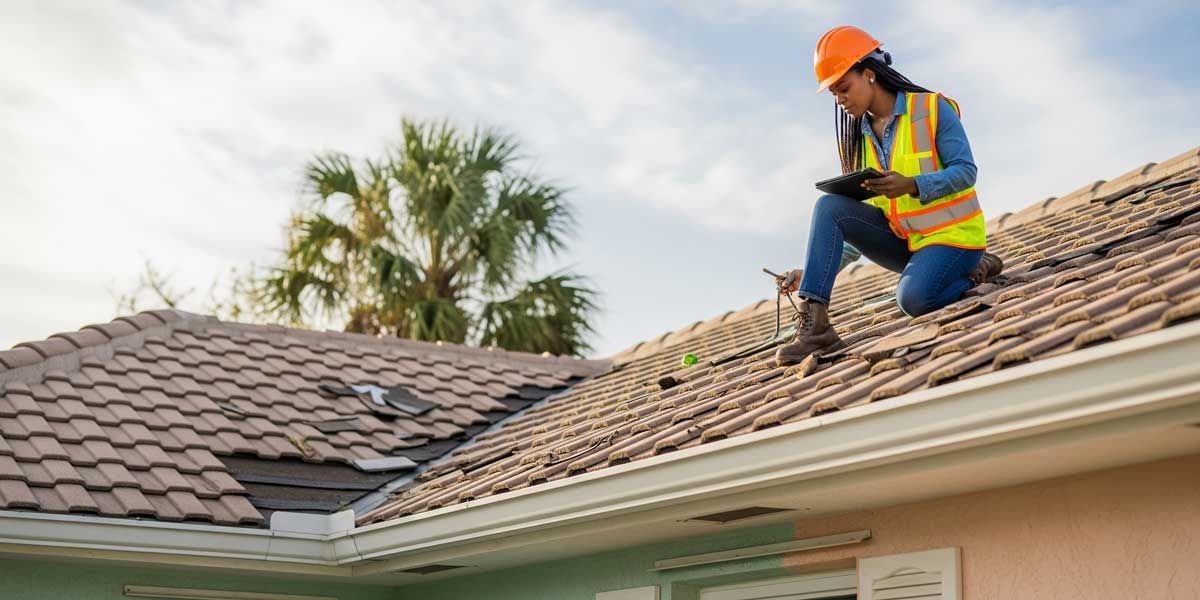
Roofing professional inspecting storm and hail damage on an Ohio shingle roof
The Short Answer

After hail hits an Ohio roof, the most useful photos show the whole property first, then the specific damage. Start with each side of the home, then document gutters, downspouts, roof vents, flashing, siding, window screens, and any interior water signs. Do not walk the roof for a better picture. A safe, organized photo set helps a professional inspector and insurance adjuster understand the timeline, damage pattern, and areas that need closer review.

Photograph the Whole Property Before Any Close-Up

The first mistake many homeowners make is starting with a tight shot of one shingle. A close-up can show texture, but it does not show where that mark is, what roof plane it belongs to, or whether the same pattern appears across the home. A useful storm file starts wide. Stand back and photograph the front, back, left, and right sides of the house. Include the roofline, gutters, siding, downspouts, windows, and any storm debris still visible on the property.

Those wide photos give every later image a home. When an inspector reviews the file, the close-up of a dented vent cap or granule loss can be tied back to a roof slope instead of floating by itself in a camera roll. That matters because hail damage is usually evaluated as a pattern, not as one isolated mark. The stronger your sequence, the easier it is for another person to understand what happened without standing beside you in the yard.

Use a Roof-to-Ground Sequence That Reads Like a Case File

Work through the property in the same order every time:

1
Roof planes first Capture each visible roof slope from the ground. If trees, dormers, or a steep pitch block a full view, take the best safe angle and note what could not be seen.
2
Edges and drainage second Move to gutters, downspouts, drip edges, fascia, and splash areas below downspouts. These details often show where water and granules moved after impact.
3
Soft metal third Photograph roof vents, pipe boots, flashing, HVAC fins, mailbox tops, screen frames, and other exposed metal surfaces. Hail often leaves visible marks on these surfaces before shingles look obvious from below.
4
Siding and windows fourth Capture cracked siding, dented trim, torn screens, broken seals, or debris impact near the same elevations as the roof damage.
5
Interior evidence last Photograph ceiling stains, attic moisture, damp insulation, or any new dripping. Interior clues help connect exterior impact to actual water intrusion.

The Most Useful Roof Photos Are Also the Safest Ones

A homeowner photo set should not require walking on a storm-damaged roof. Wet shingles, loose granules, lifted tabs, and unseen deck damage can make a roof more dangerous than it looks. Ground-level photos, ladder-at-eave photos taken only when safe, and interior photos are enough for the homeowner record. A roofing professional can document the roof surface with the right equipment and fall-protection habits.

If a mark is visible from a safe vantage point, include scale. A coin, chalk circle, or nearby roof feature can help show size. Avoid filters, zoomed screenshots, and cropped images that remove context. Clear ordinary photos are better than dramatic ones. The goal is not to make damage look worse. The goal is to make the evidence easy to trust.
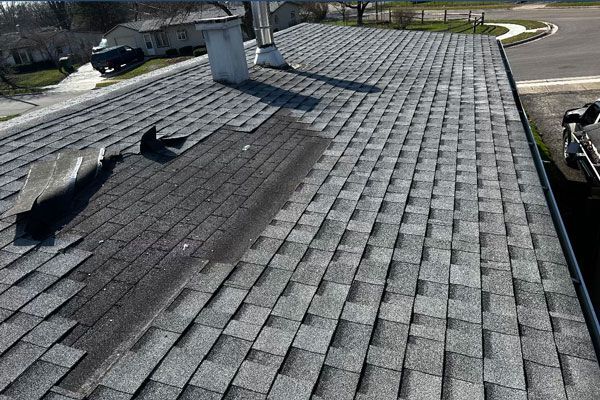
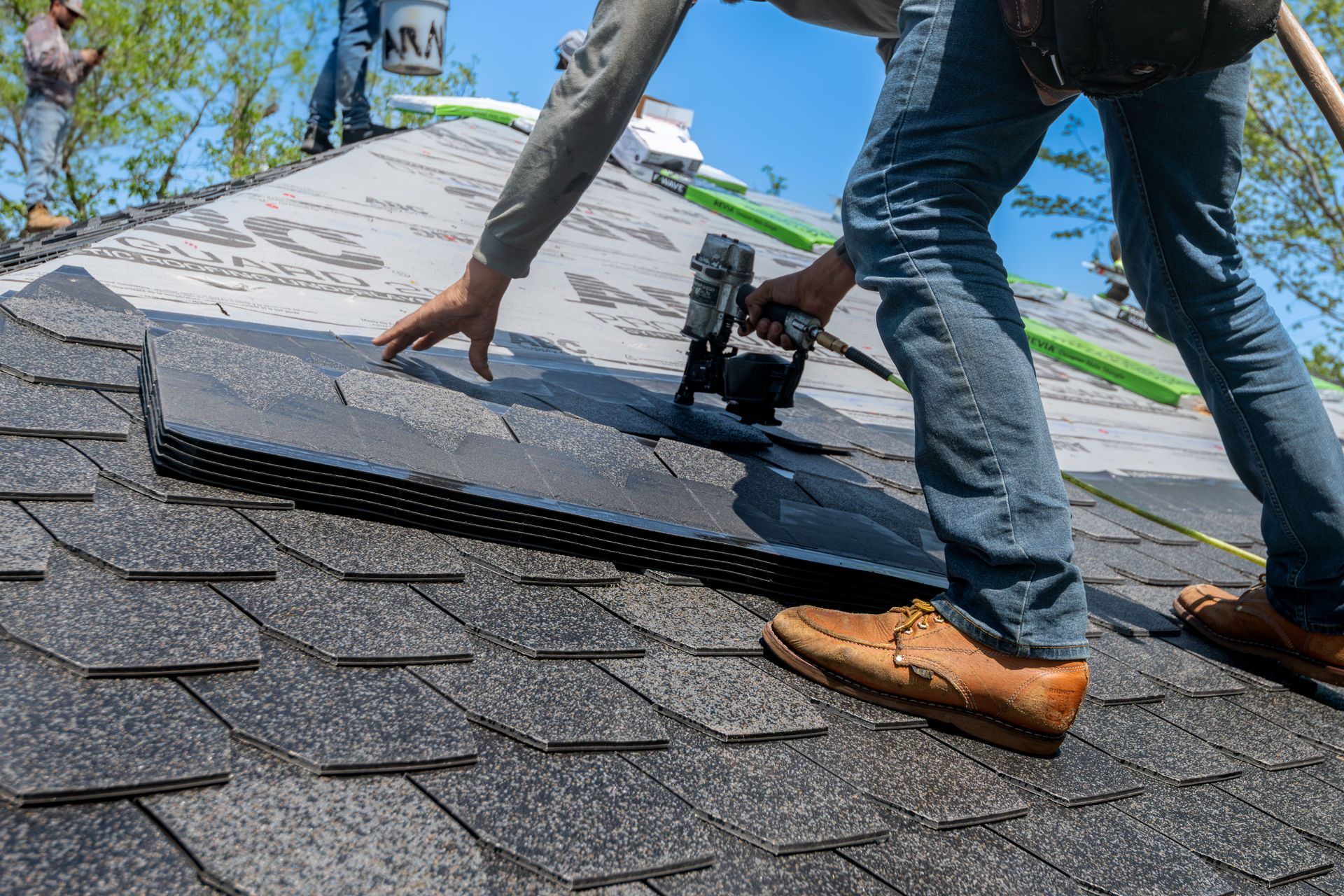
Close-up of hail-damaged asphalt shingles on a Central Ohio roof before repair

Gutters and Soft Metal Often Tell the Storm Story

Hail can bruise shingles in ways that are hard to see from the yard, but gutters and metal components often record the storm more plainly. Downspouts may carry loose granules to the ground. Gutter lips can dent. Vents, flashing, and HVAC fins can show scattered impact marks. When those marks appear on multiple sides of the home, they help an inspector decide where to look more closely.

Area What to Photograph Why It Helps
Downspout exits Granule piles, shingle grit, splash marks, and debris Shows material that may have washed off the roof after impact
Gutter runs Dented lips, loose hangers, pulled seams, and granules inside the trough Connects roof damage to drainage and edge conditions
Roof vents and flashing Random dents, scraped coating, lifted edges, and bent metal Gives the inspector a clearer impact pattern
Window screens and trim Tears, dents, cracks, and debris hits Shows whether the storm affected more than the roof

Interior Clues Belong in the Same Evidence Set

A roof can be damaged before water appears inside, but interior photos still matter. If you see a ceiling stain, bubbling paint, damp attic insulation, or daylight through decking, photograph it in the same file as the exterior damage. Include one wider room photo before the close-up so the location is clear. Then take a closer image of the stain or moisture area.

Do not repair interior drywall before the roof has been inspected unless you need emergency mitigation. Covering the symptom too soon can make it harder to connect the leak path to the exterior issue. If water is actively entering, document it, protect the property, and schedule an inspection quickly.

Organize the File So Another Person Can Understand It

The best photo set is simple to follow. Create a folder named with the storm date and property address. Inside that folder, use plain labels such as front roof, rear roof, gutters, vents, siding, interior, and attic. If your phone stores location and time data, keep the originals instead of sending only screenshots. If you write notes, keep them factual: what you photographed, where it was, and when you noticed it.

This organization helps your contractor, adjuster, and your own future self. Months later, you may not remember whether a stain was in the upstairs hallway or a back bedroom. A well-labeled image set answers that before anyone has to ask.

Not Sure What You're Looking At?

Let a professional review the damage and turn your photos into a clear repair scope.

A Professional Inspection Turns Photos Into a Repair Scope

Homeowner photos are the beginning of the record. They are not a substitute for a roof inspection. Allstate Exteriors' storm damage repair page describes inspection, damage assessment, detailed storm damage reports, and insurance claim support. That professional layer matters because an inspector can check roof slopes, penetrations, flashing, decking clues, and damage patterns that are not visible from the ground.

Bring your photos to the inspection. They help establish what you saw right after the storm and where the inspector should spend time. When your photo sequence and the inspection report line up, the claim conversation becomes more grounded in evidence and less dependent on memory.

Frequently Asked Questions

Should I photograph hail damage before calling insurance?

Yes. If it is safe, photograph the exterior and any interior water signs before the scene changes. Then schedule a professional roof inspection so the damage can be documented in detail.

What should I avoid photographing after hail?

Avoid unsafe roof access, extreme zoom, filters, and photos that remove context. Clear wide shots and normal close-ups are more useful than risky or over-edited images.

Can gutter granules prove hail damage by themselves?

Granules in a gutter can support the inspection story, but they do not prove the full cause alone. They should be reviewed with roof photos, soft-metal marks, weather timing, and a professional inspection.

What if I cannot tell whether the roof mark is storm damage?

Photograph it and let the inspection sort it out. A trained inspector can compare the mark to surrounding shingles, metal components, and the larger storm pattern.

Get a Professional Storm Damage Inspection

Your photos are the start of the record — the next step is a professional set of eyes. As a trusted Columbus, OH roofing contractor serving Central Ohio since 2002, Allstate Exteriors provides storm damage inspections, detailed reports, and insurance claim support. Bring your photos and we'll take it from there.

April 29, 2026
When you live in a place as beautiful and storm prone as Cape Coral, FL , your roof isn’t just another part of the house. It’s your first and most vital line of defense against Florida’s blazing sun, high humidity, and hurricane season downpours. That’s why finding a dependable roofing contractor who knows the local weather, building codes, and roofing needs is more than just smart, it’s essential. Here at Allstate Exteriors , we’ve been proud to provide professional roofing in Cape Coral, FL , delivering high performance results to homeowners throughout neighborhoods like Pelican, Cape Harbour, Trafalgar, and Burnt Store. Our mission is simple: protect homes with expert craftsmanship, premium materials, and trustworthy service . Why Roofing in Cape Coral Requires Specialized Expertise Cape Coral isn’t just another Florida city, it’s a unique community with specific architectural styles, salt air exposure from the Gulf, and frequent tropical weather patterns. The roofs here aren’t just sloped pieces of protection, they’re carefully engineered systems that must withstand intense environmental pressure year after year. When we take on a roofing job in Cape Coral , we bring not only our tools and materials, but also a deep understanding of: Wind uplift ratings necessary for hurricane protection Reflective materials to reduce cooling costs during brutal Florida summers Ventilation solutions to combat moisture and mold Local permit and code requirements specific to Cape Coral and Lee County Whether it’s replacing an old asphalt shingle roof in the Yacht Club area or upgrading to a standing seam metal roof near Surfside Boulevard, we tailor each project for long term durability and local conditions. Real Results: Recent Roofing Projects in Cape Coral We’ve recently completed several roofing projects in Cape Coral that highlight the scope of our expertise and the quality we bring to each job. One standout job took place in the Rose Garden neighborhood. The homeowner reached out after repeated leaks from their 20-year-old tile roof. After a comprehensive inspection, we recommended a total tear off and reinstallation using high end barrel style clay tiles that match the home’s Mediterranean style. The result? Not only does the roof now provide superior water resistance and wind protection, but it also enhances the curb appeal of the entire property. You wouldn’t believe the transformation, and the homeowner couldn’t be happier. In another project over in Southwest Cape Coral near Cape Coral Parkway, we installed a modern metal roofing system for a homeowner looking to increase energy efficiency. Thanks to its reflective coating and seamless installation, the house now stays cooler in the summer and costs less to maintain. Our Roofing Services in Cape Coral, FL No two roofs and no two roofing clients are alike. That’s why we offer a wide variety of roofing services in Cape Coral , tailored for every need and budget: Roof Replacement – Is your roof past its prime? We’ll walk you through the best materials and options available, whether it's asphalt shingles, metal, tile, or flat roof systems. Roof Repair – From missing shingles to flashing failures and wind damage, our repairs are quick, thorough, and built to last. Roof Inspections – Whether you're buying a new home in Cape Coral or just want peace of mind, our inspections help identify potential problems before they become expensive headaches. Emergency Storm Repairs – When tropical weather strikes, we offer fast response service to secure your property and begin the restoration process. Every one of our jobs comes with clear communication, honest pricing, and a team of licensed, insured professionals committed to getting it right the first time.
April 20, 2026
Your roof rarely fails overnight. Most roofing problems start small, subtle, and easy to miss until they turn into expensive repairs. For homeowners in Blacklick, Ohio, catching these early warning signs is one of the smartest ways to protect your home, avoid major disruptions, and extend the life of your roof . With Ohio’s mix of freezing winters, humid summers, and sudden storms, your roof is constantly under pressure. Homes across Blacklick , Reynoldsburg, and Gahanna experience everything from ice dams to wind damage , which means early detection is not just helpful, it is essential. At Allstate Exteriors, we have inspected and repaired hundreds of roofs throughout the area. The pattern is always the same. The homeowners who act early save thousands. The ones who wait often face full replacements sooner than expected. This guide will walk you through how to identify early roof damage, what causes it in Blacklick, and what you can do right now to prevent small issues from becoming costly problems. Why Early Roof Damage Detection Matters Blacklick homes face a unique combination of environmental stress. Winter brings freeze and thaw cycles that expand and contract roofing materials. Summer adds humidity and UV exposure that weaken shingles over time. Small issues such as a lifted shingle or minor flashing gap may not seem urgent. However, these tiny entry points allow moisture to seep in. Over time, that moisture can damage underlayment, rot the roof deck, and even affect your attic insulation. Early roof damage detection is about stopping problems at the surface before they reach the structure beneath. It is not just about avoiding repairs. It is about preserving your home’s integrity. The Most Common Early Signs of Roof Damage Knowing what to look for is the first step. Many signs of early roof damage are visible from the ground or inside your home if you know where to check. Granules in Gutters and Downspouts If you notice a sand-like material collecting in your gutters, those are shingle granules. These granules protect your roof from UV rays. Once they begin to wear away, shingles become vulnerable to cracking and deterioration. Homes in Blacklick often experience accelerated granule loss due to summer heat and storm activity. Curling or Buckling Shingles Shingles should lie flat. If you see edges curling upward or sections that appear uneven, it is a sign that your roof is aging or experiencing moisture issues. Curling shingles are especially common in older roofs across neighborhoods near Broad Street and Waggoner Road. Dark Streaks and Algae Growth Humidity in Blacklick creates the perfect environment for algae growth, especially on shaded roof sections. While it may start as a cosmetic issue, algae can trap moisture and slowly degrade roofing materials. Small Interior Water Stains One of the earliest indoor signs is a faint stain on your ceiling or walls. Even a small discoloration can indicate a slow leak that has been active for weeks or months. Missing or Loose Shingles After storms, it is important to visually check your roof. Even one missing shingle can expose the underlying structure to water damage.
April 8, 2026
Your home is more than just a place to stash your stuff; it’s the place you’ve poured your life into. Living here in Westerville, we’re lucky to have such a great mix of tight-knit neighborhoods and quick access to everything we need. Whether you’re grabbing coffee near Uptown or taking the kids to spend an afternoon at Inniswood, you know this area is special. But let’s be honest: Ohio weather isn't always kind to our houses. Between the brutal freeze-thaw cycles in the winter and that sticky humidity we get living near the reservoir, your roof takes a beating. It’s the first line of defense for everything inside your walls.  If you’ve been spotting a few stray shingles in the yard or just have a nagging feeling that your roof is getting a bit long in the tooth, you’re in the right place. As a local roofing company, we’ve been up on enough Westerville rooftops to know exactly what makes them tick, and what tends to go wrong. Why "Local" Actually Matters There’s a big difference between a national franchise and a crew that actually lives and works here. We aren’t just reading a manual; we’ve dealt with the same storms you have. The Ohio Reality Check We don’t have mild winters here. We have "ice dam" winters. When your attic isn't venting heat properly, the snow on your roof melts, runs down to the eaves, and freezes again. That cycle can force water right under your shingles and into your insulation. If you’ve ever seen water spots on your ceiling after a winter thaw, that’s usually the culprit. On the flip side, our summers can be relentless. All that heat and humidity can lead to moss or algae growth, especially on the north side of the house where the sun doesn't hit as much. If you let that stuff sit, it eventually eats away at the grit on your shingles. Matching the Neighborhood We’ve worked on everything from the historic homes with unique angles to the newer builds in the suburbs. Every home needs a slightly different strategy. A quick patch might be fine for one house, but a total re-roofing might be the smarter, cheaper play for another. We’re not here to upsell you; we’re here to tell you what your specific roof needs to last another 20 years.
April 1, 2026
Comprehensive Ohio roofing guide covering repair, replacement, and installation tips for homes and businesses. Protect your roof year-round.
March 25, 2026
 Running a business in Beavercreek, Ohio comes with its unique set of challenges and responsibilities. One of the most critical investments for any commercial property is the roof. A well-designed, high-quality roof protects your building, employees, and assets while enhancing energy efficiency and reducing long-term maintenance costs. Understanding the best options for your property is crucial, and Commercial Roofing Solutions for Beavercreek Businesses from Allstate Exteriors are designed to meet the diverse needs of local businesses throughout Greene County. From office buildings in central Beavercreek to retail centers near Wright-Patterson Air Force Base, commercial roofing requires specialized knowledge. Allstate Exteriors combines decades of experience, local expertise, and a commitment to quality to ensure that your business receives roofing solutions that stand the test of time. Why Commercial Roofing Matters for Beavercreek Businesses Commercial roofs face different pressures than residential roofs. They cover larger areas, often have more complex structures, and are exposed to frequent foot traffic during maintenance. Weather in Beavercreek adds another layer of complexity. Summer storms bring heavy rain and high humidity, while winter conditions include snow, ice, and temperature fluctuations. Over time, these elements can degrade roofing materials if not properly maintained or installed. Investing in a professional roofing system reduces the risk of leaks, structural damage, and costly emergency repairs. It also protects your employees, inventory, and customers from exposure to the elements. A well-planned roof contributes to the operational efficiency of your business and can even improve energy performance, which is increasingly important for modern commercial properties.
March 18, 2026
Protect your Bellbrooke, OH home year-round with Allstate Exteriors’ seasonal roof maintenance checklist. Learn expert tips, local insights, and proven strategies to extend the life of your roof and prevent costly damage.