
Roof, Siding, And Gutter Repair Order: What To Fix First After A Storm

August 18, 2026
Roof, Siding, And Gutter Repair Order After A Storm
Storm Repair Sequencing · Roof, Siding & Gutters

A practical full-exterior storm repair sequencing guide covering active water intrusion, roof scope, gutter coordination, siding timing, and right-sized bundling.
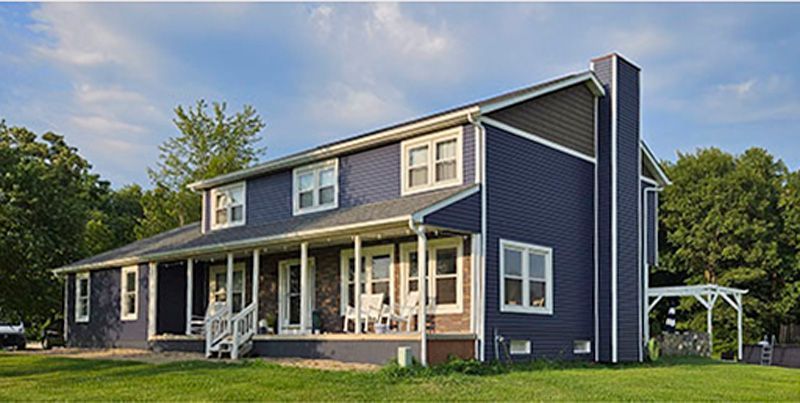
Completed residential siding project on a blue home with white trim
The Short Answer

After a storm damages more than one exterior system, stop active water intrusion first. Then confirm the roof scope because the roof affects gutter attachment, drainage, flashing, and the water path behind siding. Gutters usually follow the roof decision. Siding work should be timed after the roof leak path is understood, unless the siding itself is letting water into the wall.

Stop Water Before Choosing Finishes

The first repair decision is not cosmetic. It is water control. If the roof is open, decking is exposed, a wall cavity is taking water, or a ceiling leak is active, temporary protection comes first. That may mean tarping, temporary patching, redirecting water, or stabilizing a damaged area until the permanent scope is ready — the stabilization stage of storm damage repair.

This order protects the rest of the project. New siding cannot solve water entering from above. New gutters cannot perform correctly if the roof edge, drip detail, or fascia condition is unknown. Fresh exterior finishes can be damaged by a leak that should have been stabilized first.

Roof Scope Sets the Rest of the Sequence

The roof is usually the first full exterior system to confirm because it controls the largest water-shedding surface. Missing shingles, punctures, lifted flashing, damaged vents, or exposed decking can send water into places that look like siding or gutter problems later. Until the roof scope is understood, the rest of the sequence is partly guesswork.

Roof work can also disturb or change edge details. Drip edge, starter courses, fascia conditions, and flashing transitions affect how gutters attach and how water leaves the roof. If a roof replacement is likely, gutter replacement should be coordinated with that scope instead of treated as a separate isolated job.

Gutters Connect the Roof to the Drainage Plan

Gutters come after the roof decision because they receive everything the roof sheds. A dented gutter may need replacement, but replacing it before the roof scope is known can lead to extra handling later. If the roof edge needs work, the gutter may have to come off, be reset, or be reinstalled after the roofing work is complete.

The inspection should look at gutter pitch, pulled hangers, denting, downspout discharge, fascia damage, and granule buildup. A gutter that looks only slightly bent can still drain poorly. A gutter that drains poorly can send water behind siding, toward the foundation, or into areas that were already stressed by the storm.

Siding Work Belongs After the Water Path Is Understood

Siding protects the wall assembly, but it should not cover unresolved roof or drainage problems. If the roof or gutters are still sending water behind the wall line, new siding may hide the symptom without solving the cause. That is why siding often follows roof stabilization and gutter planning.

There is one important exception. If storm damage opened the siding itself, exposed sheathing, or created a direct wall leak, that area needs temporary protection right away. The permanent siding scope can still be sequenced after roof and drainage issues are understood.
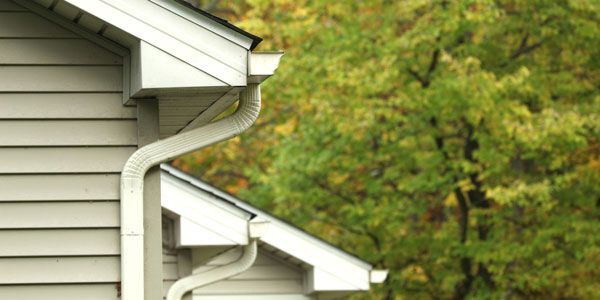
Installed gutter and downspout along a residential roof edge

Bundling Is Smart Only When the Same Storm Damaged Multiple Systems

Bundling roof, siding, and gutter work can reduce disruption when the same storm affected all three systems. One coordinated timeline can make cleanup, material delivery, crew access, site protection, and documentation easier. It can also help keep the insurance file organized because the same event and photo set support more than one exterior component.

Bundling is not a reason to replace healthy materials. If the roof took damage but the siding and gutters are sound, the right project is the roof. If a gutter is dented but the roof is fine, the right project may be the gutter. A good contractor should be able to tell you what needs replacement, what needs repair, and what should be left alone — the kind of scope clarity the NRCA's homeowner resources encourage when comparing contractors.

A Clear Sequence Prevents Rework

Step Decision To Make Risk If Skipped
1. Stabilize Is water actively entering the home or wall system? Interior damage can spread before the final scope starts
2. Inspect roof Is the roof repairable or does it need replacement? Gutters or siding may be installed before the main water source is handled
3. Coordinate gutters Will the roof edge, fascia, or drip detail change? New gutters may need to be removed or reset
4. Plan siding Is siding damaged directly or affected by roof and drainage issues? New siding may cover an unresolved leak path
5. Bundle if justified Did the same event damage multiple systems? The homeowner may pay for convenient work that was not needed

Service Availability Should Be Confirmed by Location

Exterior service availability can vary by market. Allstate Exteriors' siding page identifies siding service in Central Ohio, while some location pages list several exterior services together.

For homeowners, the practical advice is simple: ask whether roof, siding, and gutter work are all available for your property before you plan one combined project.

Damage to More Than One System?

Get the water stopped and the roof scope confirmed before the rest of the project is planned.

Questions That Keep the Project Right-Sized

  • Which system is allowing water in right now?
  • Does the roof scope change the gutter plan?
  • Is the siding damage storm-related, drainage-related, or pre-existing wear?
  • Which items are repairable and which require replacement?
  • If we bundle, what work is actually saved and what work would happen anyway?
  • Are all requested services available at this property location?

These questions keep the project from drifting. The goal is not the largest exterior scope. The goal is the correct order of work with enough documentation to support the decisions.

Plan the Whole Exterior Before Work Starts

A storm can make the roof, gutters, and siding look like separate problems. They are connected by water. If you understand the leak path, roof edge, drainage plan, and wall protection before work begins, the final project is cleaner and less likely to require rework.

Frequently Asked Questions

What should be repaired first after exterior storm damage?

Active water intrusion comes first. After the home is protected, confirm the roof scope, then coordinate gutters and siding around the roof and drainage plan.

Should gutters be replaced before a roof?

Usually not if roof work is likely. Gutters attach near roof-edge details that may change during roofing work, so the roof scope should be confirmed first.

Can roof, siding, and gutters be bundled into one project?

Yes, when the same storm damaged multiple systems and the services are available for the property. Bundling should not be used to replace healthy materials.

What if insurance approved roof work but not siding or gutters?

Ask for photo-supported inspections of the siding and gutters. If additional storm-related damage is documented, ask the insurer how to submit it for review.

Get the Order Right the First Time

Rework is expensive, and most of it comes from doing exterior systems out of order. Allstate Exteriors inspects the whole exterior, stops the water first, and sequences the rest around what the roof scope actually requires.
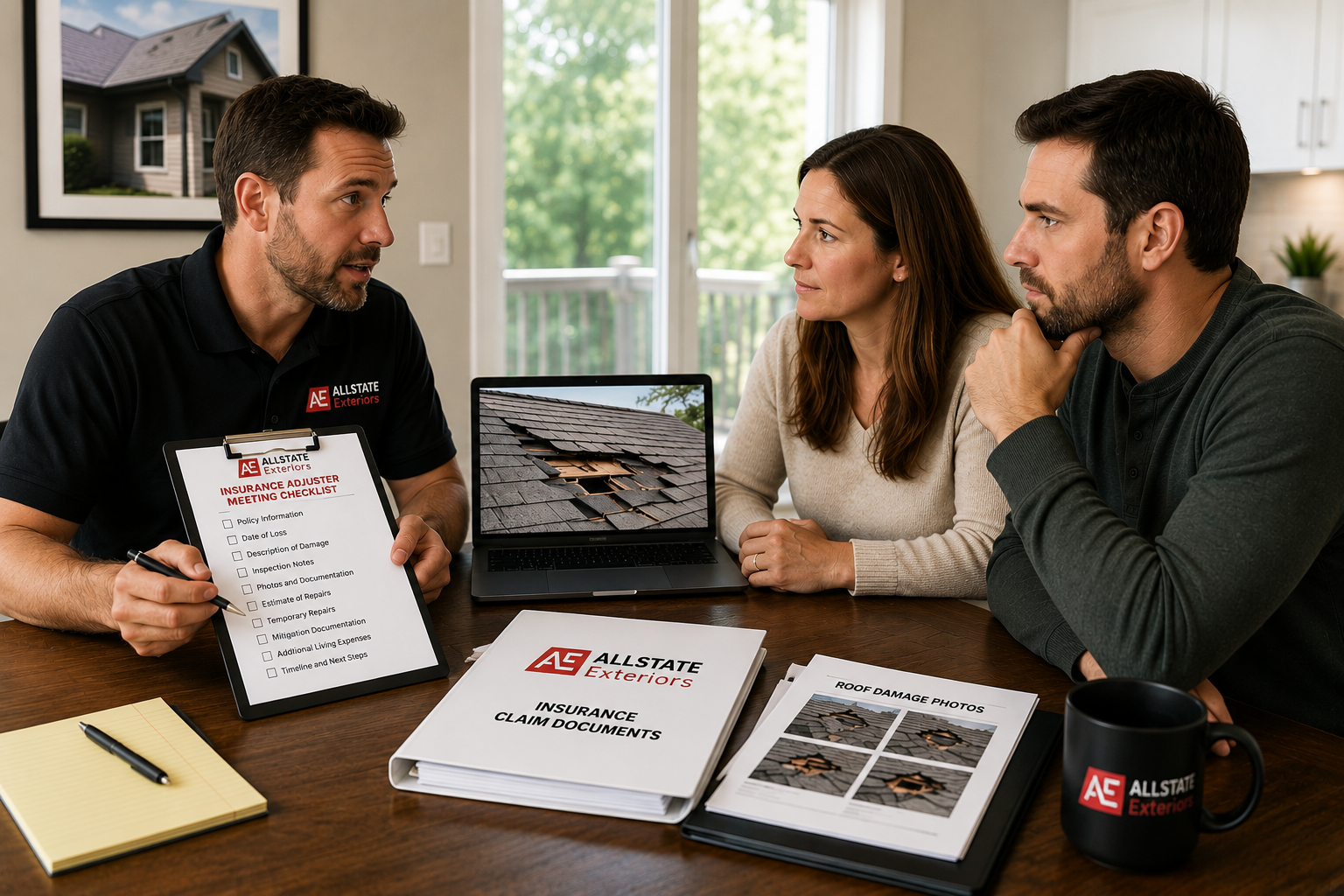
Three people review roofing estimates at a table with brochures, a laptop, and a coffee mug.
August 11, 2026
Prepare for a roof insurance adjuster meeting with the right photos, inspection report, claim details, questions, and follow-up steps.
Worker painting trim on a brick house exterior using a ladder
August 4, 2026
Learn what a strong roof inspection report includes, from photo evidence and condition notes to repair reasoning, insurance documentation, and estimate handoff.
Workers installing black shingles on a steep roof under a blue sky
July 28, 2026
Tile roofs in Cape Coral can look sound while underlayment problems develop below. Learn signs, inspection points, repair factors, and what to ask.
Worker repairing gray shingle roof with hammer on a house under a cloudy sky
July 21, 2026
A practical photo guide for Ohio homeowners after roof hail damage, including what to capture, how to organize it, and when to schedule an inspection.
April 29, 2026
When you live in a place as beautiful and storm prone as Cape Coral, FL , your roof isn’t just another part of the house. It’s your first and most vital line of defense against Florida’s blazing sun, high humidity, and hurricane season downpours. That’s why finding a dependable roofing contractor who knows the local weather, building codes, and roofing needs is more than just smart, it’s essential. Here at Allstate Exteriors , we’ve been proud to provide professional roofing in Cape Coral, FL , delivering high performance results to homeowners throughout neighborhoods like Pelican, Cape Harbour, Trafalgar, and Burnt Store. Our mission is simple: protect homes with expert craftsmanship, premium materials, and trustworthy service . Why Roofing in Cape Coral Requires Specialized Expertise Cape Coral isn’t just another Florida city, it’s a unique community with specific architectural styles, salt air exposure from the Gulf, and frequent tropical weather patterns. The roofs here aren’t just sloped pieces of protection, they’re carefully engineered systems that must withstand intense environmental pressure year after year. When we take on a roofing job in Cape Coral , we bring not only our tools and materials, but also a deep understanding of: Wind uplift ratings necessary for hurricane protection Reflective materials to reduce cooling costs during brutal Florida summers Ventilation solutions to combat moisture and mold Local permit and code requirements specific to Cape Coral and Lee County Whether it’s replacing an old asphalt shingle roof in the Yacht Club area or upgrading to a standing seam metal roof near Surfside Boulevard, we tailor each project for long term durability and local conditions. Real Results: Recent Roofing Projects in Cape Coral We’ve recently completed several roofing projects in Cape Coral that highlight the scope of our expertise and the quality we bring to each job. One standout job took place in the Rose Garden neighborhood. The homeowner reached out after repeated leaks from their 20-year-old tile roof. After a comprehensive inspection, we recommended a total tear off and reinstallation using high end barrel style clay tiles that match the home’s Mediterranean style. The result? Not only does the roof now provide superior water resistance and wind protection, but it also enhances the curb appeal of the entire property. You wouldn’t believe the transformation, and the homeowner couldn’t be happier. In another project over in Southwest Cape Coral near Cape Coral Parkway, we installed a modern metal roofing system for a homeowner looking to increase energy efficiency. Thanks to its reflective coating and seamless installation, the house now stays cooler in the summer and costs less to maintain. Our Roofing Services in Cape Coral, FL No two roofs and no two roofing clients are alike. That’s why we offer a wide variety of roofing services in Cape Coral , tailored for every need and budget: Roof Replacement – Is your roof past its prime? We’ll walk you through the best materials and options available, whether it's asphalt shingles, metal, tile, or flat roof systems. Roof Repair – From missing shingles to flashing failures and wind damage, our repairs are quick, thorough, and built to last. Roof Inspections – Whether you're buying a new home in Cape Coral or just want peace of mind, our inspections help identify potential problems before they become expensive headaches. Emergency Storm Repairs – When tropical weather strikes, we offer fast response service to secure your property and begin the restoration process. Every one of our jobs comes with clear communication, honest pricing, and a team of licensed, insured professionals committed to getting it right the first time.
April 20, 2026
Your roof rarely fails overnight. Most roofing problems start small, subtle, and easy to miss until they turn into expensive repairs. For homeowners in Blacklick, Ohio, catching these early warning signs is one of the smartest ways to protect your home, avoid major disruptions, and extend the life of your roof . With Ohio’s mix of freezing winters, humid summers, and sudden storms, your roof is constantly under pressure. Homes across Blacklick , Reynoldsburg, and Gahanna experience everything from ice dams to wind damage , which means early detection is not just helpful, it is essential. At Allstate Exteriors, we have inspected and repaired hundreds of roofs throughout the area. The pattern is always the same. The homeowners who act early save thousands. The ones who wait often face full replacements sooner than expected. This guide will walk you through how to identify early roof damage, what causes it in Blacklick, and what you can do right now to prevent small issues from becoming costly problems. Why Early Roof Damage Detection Matters Blacklick homes face a unique combination of environmental stress. Winter brings freeze and thaw cycles that expand and contract roofing materials. Summer adds humidity and UV exposure that weaken shingles over time. Small issues such as a lifted shingle or minor flashing gap may not seem urgent. However, these tiny entry points allow moisture to seep in. Over time, that moisture can damage underlayment, rot the roof deck, and even affect your attic insulation. Early roof damage detection is about stopping problems at the surface before they reach the structure beneath. It is not just about avoiding repairs. It is about preserving your home’s integrity. The Most Common Early Signs of Roof Damage Knowing what to look for is the first step. Many signs of early roof damage are visible from the ground or inside your home if you know where to check. Granules in Gutters and Downspouts If you notice a sand-like material collecting in your gutters, those are shingle granules. These granules protect your roof from UV rays. Once they begin to wear away, shingles become vulnerable to cracking and deterioration. Homes in Blacklick often experience accelerated granule loss due to summer heat and storm activity. Curling or Buckling Shingles Shingles should lie flat. If you see edges curling upward or sections that appear uneven, it is a sign that your roof is aging or experiencing moisture issues. Curling shingles are especially common in older roofs across neighborhoods near Broad Street and Waggoner Road. Dark Streaks and Algae Growth Humidity in Blacklick creates the perfect environment for algae growth, especially on shaded roof sections. While it may start as a cosmetic issue, algae can trap moisture and slowly degrade roofing materials. Small Interior Water Stains One of the earliest indoor signs is a faint stain on your ceiling or walls. Even a small discoloration can indicate a slow leak that has been active for weeks or months. Missing or Loose Shingles After storms, it is important to visually check your roof. Even one missing shingle can expose the underlying structure to water damage.