
Roof Inspection Report Example: How To Read The Photos And Notes

August 4, 2026
Roof Inspection Report Example: How To Read Yours
Inspection Reports · Ohio & Florida

A homeowner-friendly guide to reading a roof inspection report without getting lost in photos, severity notes, repair language, and insurance documentation.
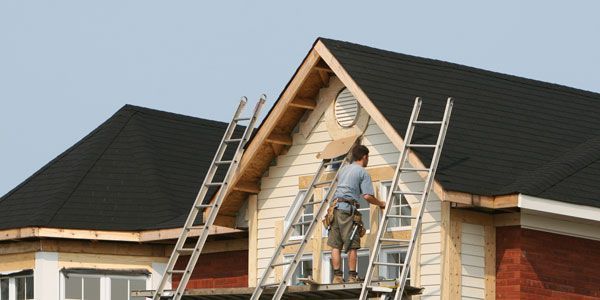
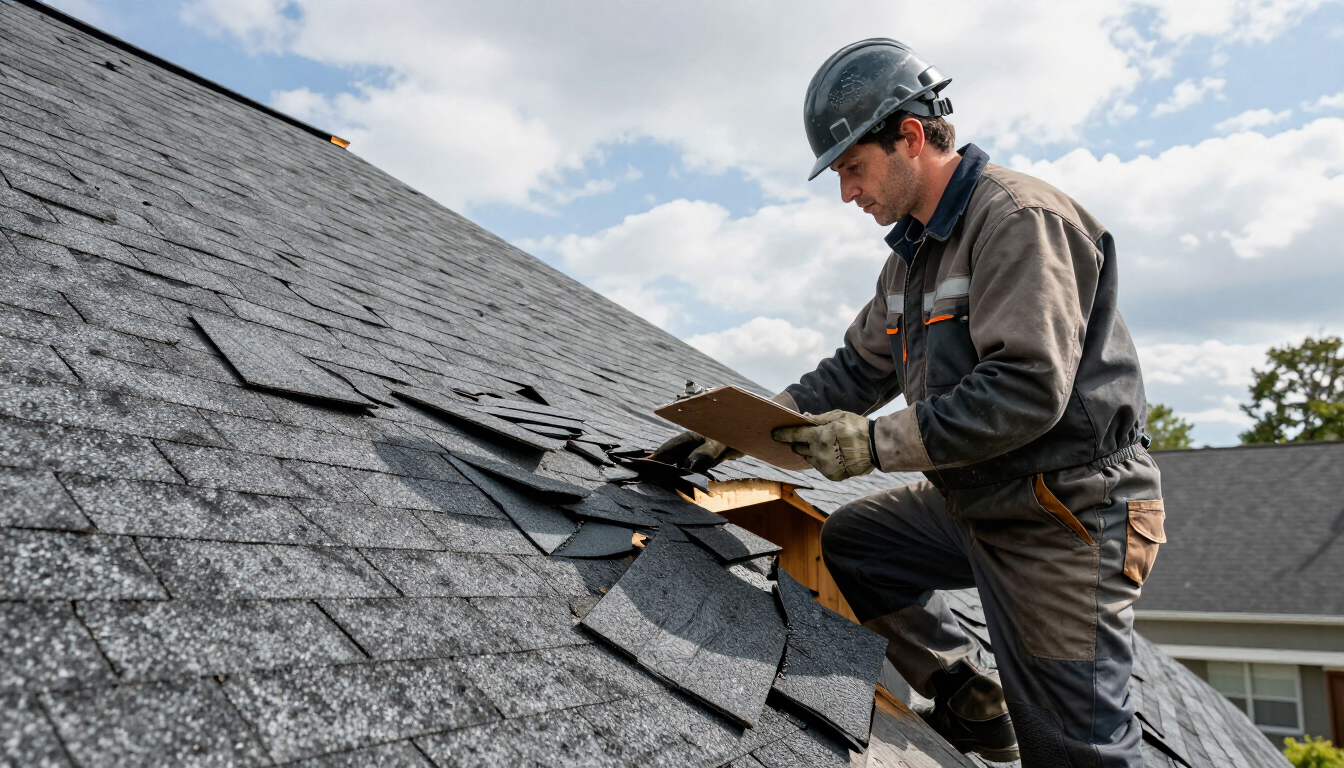
Roofing professional working from a ladder during a residential roof evaluation
The Short Answer

A good roof inspection report should show what was inspected, where each finding is located, which photos support it, how serious it is, and what action is recommended next. The strongest reports separate roof condition from pricing so a homeowner can understand the evidence before reviewing an estimate, insurance scope, repair plan, or replacement recommendation.

A Good Report Lets You Verify Instead of Guess

The report should not ask you to accept a conclusion on trust. It should let you follow the inspector's reasoning. A homeowner should be able to read the report and understand the roof area, the condition found there, the photo that supports it, and the next step being recommended. If the document is only a sales summary — even one attached to a free estimate — it is not doing enough work.

The best inspection reports are plain. They do not need dramatic language. They need accurate photos, clear notes, and a logical path from finding to recommendation. That is especially important when the roof may involve storm damage, an insurance claim, or a decision between repair and replacement.

Photo Evidence Should Show Location, Detail, and Pattern

A single close-up of a shingle does not tell the whole story. Look for three photo types, in this order:

1
Location A wide photo that shows which roof plane or exterior area is being discussed, so every later image has a home.
2
Detail A close photo of the specific mark, crack, lifted shingle, failed seal, dented metal, or flashing issue.
3
Pattern A photo set showing whether similar findings appear across one slope, multiple slopes, or another exterior system.

Pattern matters because roof decisions are rarely based on one image. A repair recommendation may be reasonable when the evidence is isolated. A broader scope may be reasonable when the evidence appears across multiple areas or connects with interior water signs. The report should make that distinction visible.

Condition Notes Need Plain Severity Language

Severity terms vary by contractor, so the report should explain them in normal language. Cosmetic damage, monitor items, repair items, urgent leak risks, and replacement factors should not be blended together. Homeowners need to know what affects appearance, what affects performance, and what needs action before more damage occurs.

Report Language What It Should Explain
Cosmetic or surface condition The item affects appearance or minor surface wear without a current leak finding
Monitor The item is not urgent but should be checked during future maintenance or after the next storm
Repair recommended The issue is limited enough to price and correct as a focused repair
Replacement recommended The roof has wider condition, age, storm, or material issues that make repair less reliable
Immediate protection Water is active or the roof is open enough to need temporary mitigation

Repair and Replacement Recommendations Require Reasons

A report that says replace the roof without explaining why is incomplete. A report that recommends residential roof repairs only, without addressing widespread findings, is also incomplete. The recommendation should name the reason. Common reasons include isolated flashing failure, missing shingles, repeated leak history, widespread storm patterns, brittle materials, decking concerns, or conditions that make a small repair unlikely to hold. Those same factors are what move a roof toward residential roof replacements.

The explanation protects the homeowner. If the reason is clear, you can compare it against another opinion, ask better questions, and see whether the estimate matches the damage. If the reason is missing, ask for it before you approve the next step.

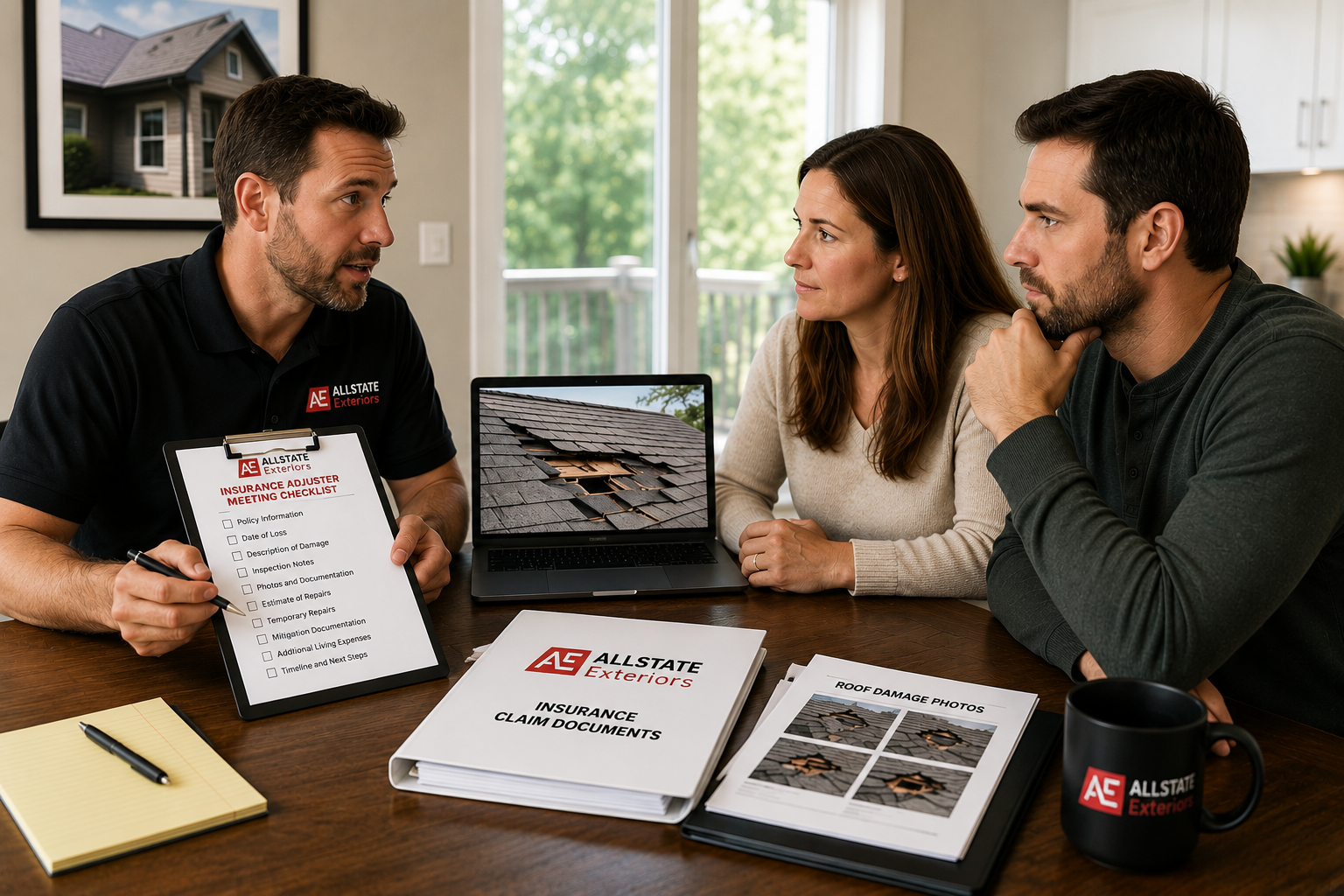
Allstate Exteriors insurance claim process graphic

Insurance Notes Should Separate Damage From Coverage

When storm damage is involved, the inspection report can document observed damage, likely storm-related patterns, dates supplied by the homeowner, and photos that support the scope. It should not promise that insurance will approve the work. Coverage is decided by the insurer and policy. A careful report helps the claim review by organizing evidence without overstepping into a coverage guarantee.

Allstate Exteriors' insurance claim process page describes project manager documentation, photo and video verification, and adjuster support. That is the kind of handoff a homeowner should understand: evidence first, scope second, insurer decision after review.

Want a Report You Can Actually Follow?

Photos, condition notes, and a clear recommendation — documented before any pricing conversation.

The Estimate Should Map Back to the Findings

The report and estimate can be separate documents, but they should speak to each other. If the report notes a damaged pipe boot, the estimate should include the specific repair or replacement tied to that item. If the report shows multiple affected slopes, the estimate should make clear which slopes are included. If the report identifies interior staining, the estimate should explain whether the roof scope addresses the likely water source. The NRCA's homeowner resources make a similar point about reading scope detail carefully.

A mismatch between report and estimate is where confusion starts. The homeowner may be priced for work that was never documented, or the report may document damage that never appears in the scope. Read both documents together, line by line.

How to Compare Two Inspection Reports

If two reports disagree, compare photos before conclusions. One inspector may rate a condition as urgent while another calls it a monitor item. The photos show whether they are looking at the same evidence. Ask each contractor to explain the difference in terms of location, severity, risk, and repair durability.

Keep old reports even when you do not act on them. A series of reports becomes a roof history. It can show whether a stain is new, whether a repair held, whether granule loss changed after a storm, or whether a recurring leak belongs to the same roof detail.

The Best Report Makes the Next Decision Easier

A roof inspection report should lower stress, not add fog. If you can point to the photo, understand the note, see the severity, and trace the recommendation into the estimate, you have a document worth using. If not, ask for clarification before signing a contract, filing a claim, or delaying needed repair.

Frequently Asked Questions

What should be included in a roof inspection report?

A strong report should include property details, inspected areas, photos, condition notes, severity language, repair or replacement recommendations, and next-step guidance.

Should every roof finding have a photo?

Every major finding should have photo support. Some general notes may not need a photo, but damage, leaks, and repair recommendations should be visible in the record.

Is a free roof inspection report useful for insurance?

It can be useful when it includes dated photos, clear damage notes, and a scope that can be compared with the adjuster's review. It should not promise coverage.

Why should I keep old roof inspection reports?

Old reports create a baseline. They help show whether a condition is new, recurring, storm-related, repaired, or getting worse over time.

Get an Inspection Report You Can Read

A report is only useful if you can follow it. Allstate Exteriors documents what was inspected, where each finding sits, and why the recommendation follows from the evidence — serving homeowners across Ohio and Florida since 2002.
Workers installing black shingles on a steep roof under a blue sky
July 28, 2026
Tile roofs in Cape Coral can look sound while underlayment problems develop below. Learn signs, inspection points, repair factors, and what to ask.
Worker repairing gray shingle roof with hammer on a house under a cloudy sky
July 21, 2026
A practical photo guide for Ohio homeowners after roof hail damage, including what to capture, how to organize it, and when to schedule an inspection.
April 29, 2026
When you live in a place as beautiful and storm prone as Cape Coral, FL , your roof isn’t just another part of the house. It’s your first and most vital line of defense against Florida’s blazing sun, high humidity, and hurricane season downpours. That’s why finding a dependable roofing contractor who knows the local weather, building codes, and roofing needs is more than just smart, it’s essential. Here at Allstate Exteriors , we’ve been proud to provide professional roofing in Cape Coral, FL , delivering high performance results to homeowners throughout neighborhoods like Pelican, Cape Harbour, Trafalgar, and Burnt Store. Our mission is simple: protect homes with expert craftsmanship, premium materials, and trustworthy service . Why Roofing in Cape Coral Requires Specialized Expertise Cape Coral isn’t just another Florida city, it’s a unique community with specific architectural styles, salt air exposure from the Gulf, and frequent tropical weather patterns. The roofs here aren’t just sloped pieces of protection, they’re carefully engineered systems that must withstand intense environmental pressure year after year. When we take on a roofing job in Cape Coral , we bring not only our tools and materials, but also a deep understanding of: Wind uplift ratings necessary for hurricane protection Reflective materials to reduce cooling costs during brutal Florida summers Ventilation solutions to combat moisture and mold Local permit and code requirements specific to Cape Coral and Lee County Whether it’s replacing an old asphalt shingle roof in the Yacht Club area or upgrading to a standing seam metal roof near Surfside Boulevard, we tailor each project for long term durability and local conditions. Real Results: Recent Roofing Projects in Cape Coral We’ve recently completed several roofing projects in Cape Coral that highlight the scope of our expertise and the quality we bring to each job. One standout job took place in the Rose Garden neighborhood. The homeowner reached out after repeated leaks from their 20-year-old tile roof. After a comprehensive inspection, we recommended a total tear off and reinstallation using high end barrel style clay tiles that match the home’s Mediterranean style. The result? Not only does the roof now provide superior water resistance and wind protection, but it also enhances the curb appeal of the entire property. You wouldn’t believe the transformation, and the homeowner couldn’t be happier. In another project over in Southwest Cape Coral near Cape Coral Parkway, we installed a modern metal roofing system for a homeowner looking to increase energy efficiency. Thanks to its reflective coating and seamless installation, the house now stays cooler in the summer and costs less to maintain. Our Roofing Services in Cape Coral, FL No two roofs and no two roofing clients are alike. That’s why we offer a wide variety of roofing services in Cape Coral , tailored for every need and budget: Roof Replacement – Is your roof past its prime? We’ll walk you through the best materials and options available, whether it's asphalt shingles, metal, tile, or flat roof systems. Roof Repair – From missing shingles to flashing failures and wind damage, our repairs are quick, thorough, and built to last. Roof Inspections – Whether you're buying a new home in Cape Coral or just want peace of mind, our inspections help identify potential problems before they become expensive headaches. Emergency Storm Repairs – When tropical weather strikes, we offer fast response service to secure your property and begin the restoration process. Every one of our jobs comes with clear communication, honest pricing, and a team of licensed, insured professionals committed to getting it right the first time.
April 20, 2026
Your roof rarely fails overnight. Most roofing problems start small, subtle, and easy to miss until they turn into expensive repairs. For homeowners in Blacklick, Ohio, catching these early warning signs is one of the smartest ways to protect your home, avoid major disruptions, and extend the life of your roof . With Ohio’s mix of freezing winters, humid summers, and sudden storms, your roof is constantly under pressure. Homes across Blacklick , Reynoldsburg, and Gahanna experience everything from ice dams to wind damage , which means early detection is not just helpful, it is essential. At Allstate Exteriors, we have inspected and repaired hundreds of roofs throughout the area. The pattern is always the same. The homeowners who act early save thousands. The ones who wait often face full replacements sooner than expected. This guide will walk you through how to identify early roof damage, what causes it in Blacklick, and what you can do right now to prevent small issues from becoming costly problems. Why Early Roof Damage Detection Matters Blacklick homes face a unique combination of environmental stress. Winter brings freeze and thaw cycles that expand and contract roofing materials. Summer adds humidity and UV exposure that weaken shingles over time. Small issues such as a lifted shingle or minor flashing gap may not seem urgent. However, these tiny entry points allow moisture to seep in. Over time, that moisture can damage underlayment, rot the roof deck, and even affect your attic insulation. Early roof damage detection is about stopping problems at the surface before they reach the structure beneath. It is not just about avoiding repairs. It is about preserving your home’s integrity. The Most Common Early Signs of Roof Damage Knowing what to look for is the first step. Many signs of early roof damage are visible from the ground or inside your home if you know where to check. Granules in Gutters and Downspouts If you notice a sand-like material collecting in your gutters, those are shingle granules. These granules protect your roof from UV rays. Once they begin to wear away, shingles become vulnerable to cracking and deterioration. Homes in Blacklick often experience accelerated granule loss due to summer heat and storm activity. Curling or Buckling Shingles Shingles should lie flat. If you see edges curling upward or sections that appear uneven, it is a sign that your roof is aging or experiencing moisture issues. Curling shingles are especially common in older roofs across neighborhoods near Broad Street and Waggoner Road. Dark Streaks and Algae Growth Humidity in Blacklick creates the perfect environment for algae growth, especially on shaded roof sections. While it may start as a cosmetic issue, algae can trap moisture and slowly degrade roofing materials. Small Interior Water Stains One of the earliest indoor signs is a faint stain on your ceiling or walls. Even a small discoloration can indicate a slow leak that has been active for weeks or months. Missing or Loose Shingles After storms, it is important to visually check your roof. Even one missing shingle can expose the underlying structure to water damage.
April 8, 2026
Your home is more than just a place to stash your stuff; it’s the place you’ve poured your life into. Living here in Westerville, we’re lucky to have such a great mix of tight-knit neighborhoods and quick access to everything we need. Whether you’re grabbing coffee near Uptown or taking the kids to spend an afternoon at Inniswood, you know this area is special. But let’s be honest: Ohio weather isn't always kind to our houses. Between the brutal freeze-thaw cycles in the winter and that sticky humidity we get living near the reservoir, your roof takes a beating. It’s the first line of defense for everything inside your walls.  If you’ve been spotting a few stray shingles in the yard or just have a nagging feeling that your roof is getting a bit long in the tooth, you’re in the right place. As a local roofing company, we’ve been up on enough Westerville rooftops to know exactly what makes them tick, and what tends to go wrong. Why "Local" Actually Matters There’s a big difference between a national franchise and a crew that actually lives and works here. We aren’t just reading a manual; we’ve dealt with the same storms you have. The Ohio Reality Check We don’t have mild winters here. We have "ice dam" winters. When your attic isn't venting heat properly, the snow on your roof melts, runs down to the eaves, and freezes again. That cycle can force water right under your shingles and into your insulation. If you’ve ever seen water spots on your ceiling after a winter thaw, that’s usually the culprit. On the flip side, our summers can be relentless. All that heat and humidity can lead to moss or algae growth, especially on the north side of the house where the sun doesn't hit as much. If you let that stuff sit, it eventually eats away at the grit on your shingles. Matching the Neighborhood We’ve worked on everything from the historic homes with unique angles to the newer builds in the suburbs. Every home needs a slightly different strategy. A quick patch might be fine for one house, but a total re-roofing might be the smarter, cheaper play for another. We’re not here to upsell you; we’re here to tell you what your specific roof needs to last another 20 years.
April 1, 2026
Comprehensive Ohio roofing guide covering repair, replacement, and installation tips for homes and businesses. Protect your roof year-round.