

Storm Damage vs. Normal Wear and Tear: How to Tell the Difference
October 20, 2025
After a storm hits, it’s natural to glance up at your roof and wonder — “Did that do any real damage, or is it just aging?”
It’s a question our team at Allstate Exteriors hears all the time. Knowing the difference between storm damage
and normal wear and tear
can determine whether you file an insurance claim or simply plan for future maintenance.
Let’s break it down clearly -
💡 Quick Answer:
Storm damage
is sudden, unexpected, and caused by a specific event (like wind, hail, or falling debris).
Wear and tear
happens gradually over time from everyday exposure to sun, rain, and temperature changes.
If your roof’s condition changed overnight after severe weather — that’s storm damage. If it’s slowly deteriorated over years — that’s normal aging.
What Counts as Storm Damage?
The Telltale Signs of Storm-Related Roof Damage
Storm damage is typically sudden and uneven, meaning it affects certain areas more than others. Here’s what we look for during an inspection:
- Missing or lifted shingles: High winds can break the seal and tear shingles completely off.
- Granule loss in random patches: Hail impact can knock granules loose, leaving dark or bare spots.
- Cracked or bruised shingles: Hail can bruise asphalt shingles, making them soft or pitted.
- Dented flashing, vents, or gutters: Clear sign of hail or debris impact.
- Leaks appearing shortly after a storm: Water intrusion from wind-driven rain or torn shingles.
These types of damage can compromise your roof’s protective layers, even if they’re not immediately visible from the ground.
Pro Tip:
Always document storm damage with photos and schedule a professional inspection before filing an insurance claim — insurers often require proof tied to a specific weather event.
What’s Considered Normal Wear and Tear?
How Aging Naturally Affects Your Roof
Even the best roofs age. Exposure to the sun, seasonal temperature swings, and years of wind and rain gradually cause minor changes that are not covered by insurance.
Common examples include:
- Faded shingle color or surface granule loss
- Small cracks or curling edges from UV exposure
- Moss or algae growth
- Nail pops or minor sealant wear around flashing
- Slight sagging from years of weight and moisture cycles
These are maintenance issues, not sudden damage — and while they can lead to bigger problems down the road, they typically signal it’s time for upkeep or eventual replacement, not a claim.
Why the Difference Matters
Insurance Coverage Depends on the Cause
Insurance companies only cover sudden, accidental events — meaning storm damage. Normal wear and tear falls under homeowner responsibility. That’s why accurate documentation and professional evaluation matter so much.
At Allstate Exteriors, our trained inspectors know exactly how to tell the difference. We’ll identify:
- The age of the damage (fresh vs. old)
- The pattern of impact (random vs. consistent)
- Whether the issue was caused by wind, hail, or improper installation
That distinction could be the difference between an approved claim or an out-of-pocket repair.
Local Conditions in Ohio & Florida
Weather Patterns That Affect Roofs Differently
Ohio:
Hail, heavy snow, and freeze-thaw cycles cause shingle cracking and granule loss.
Florida:
High winds, hurricanes, and salt air break down sealants and lift shingles faster.
Knowing your local climate risks helps you spot the difference between long-term wear and true storm damage.
The Bottom Line:
Storm damage happens fast and usually leaves visible clues. Normal wear and tear creeps in over time. Either way, ignoring changes can shorten your roof’s life and void your manufacturer’s warranty.
When in doubt, call the pros. One free inspection from Allstate Exteriors can tell you exactly what’s going on — no guessing, no pressure.
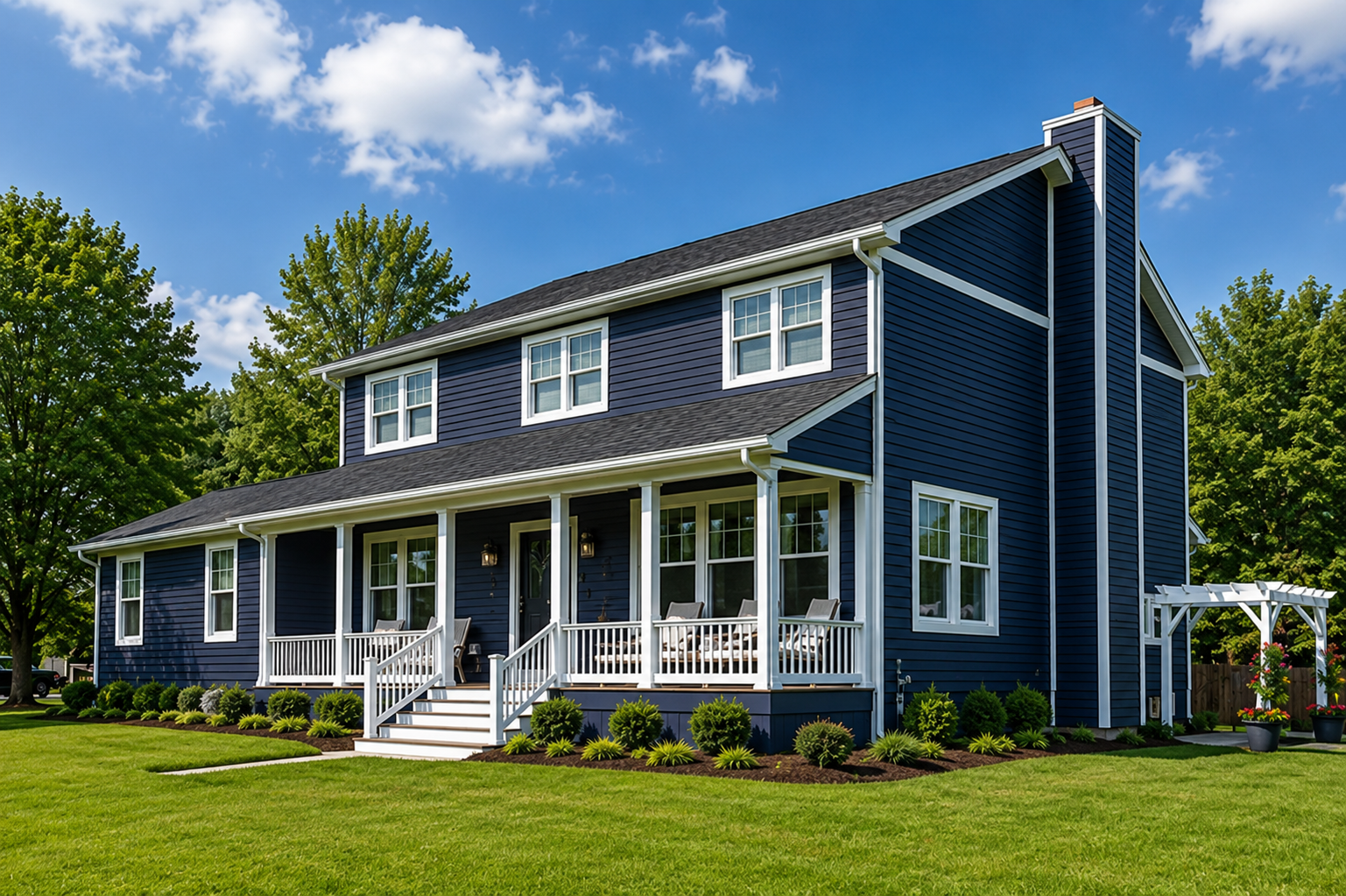
Storm damage can affect the roof, siding, and gutters at once. Learn the right repair order, when bundling makes sense, and what to verify first.
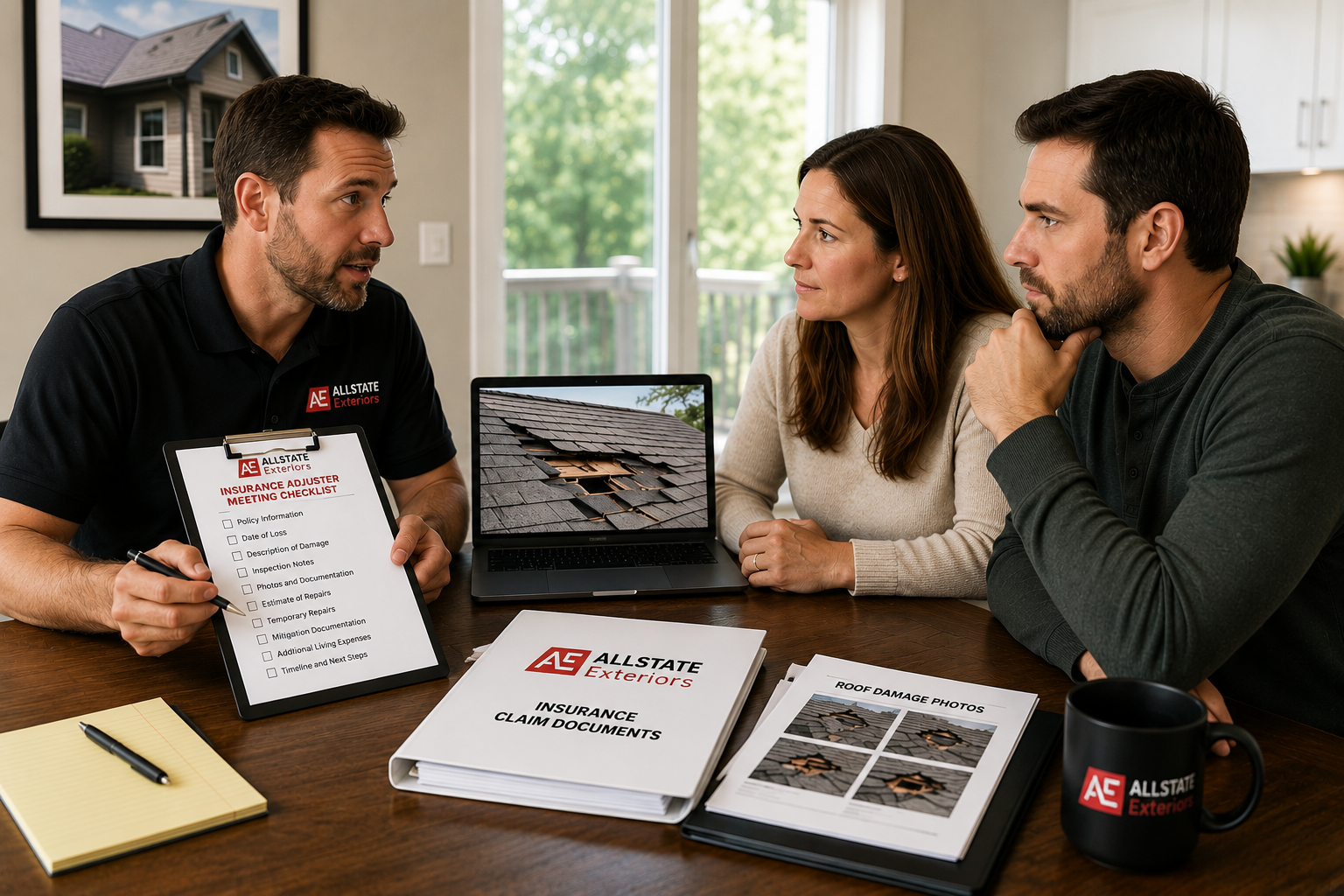
Prepare for a roof insurance adjuster meeting with the right photos, inspection report, claim details, questions, and follow-up steps.

Learn what a strong roof inspection report includes, from photo evidence and condition notes to repair reasoning, insurance documentation, and estimate handoff.
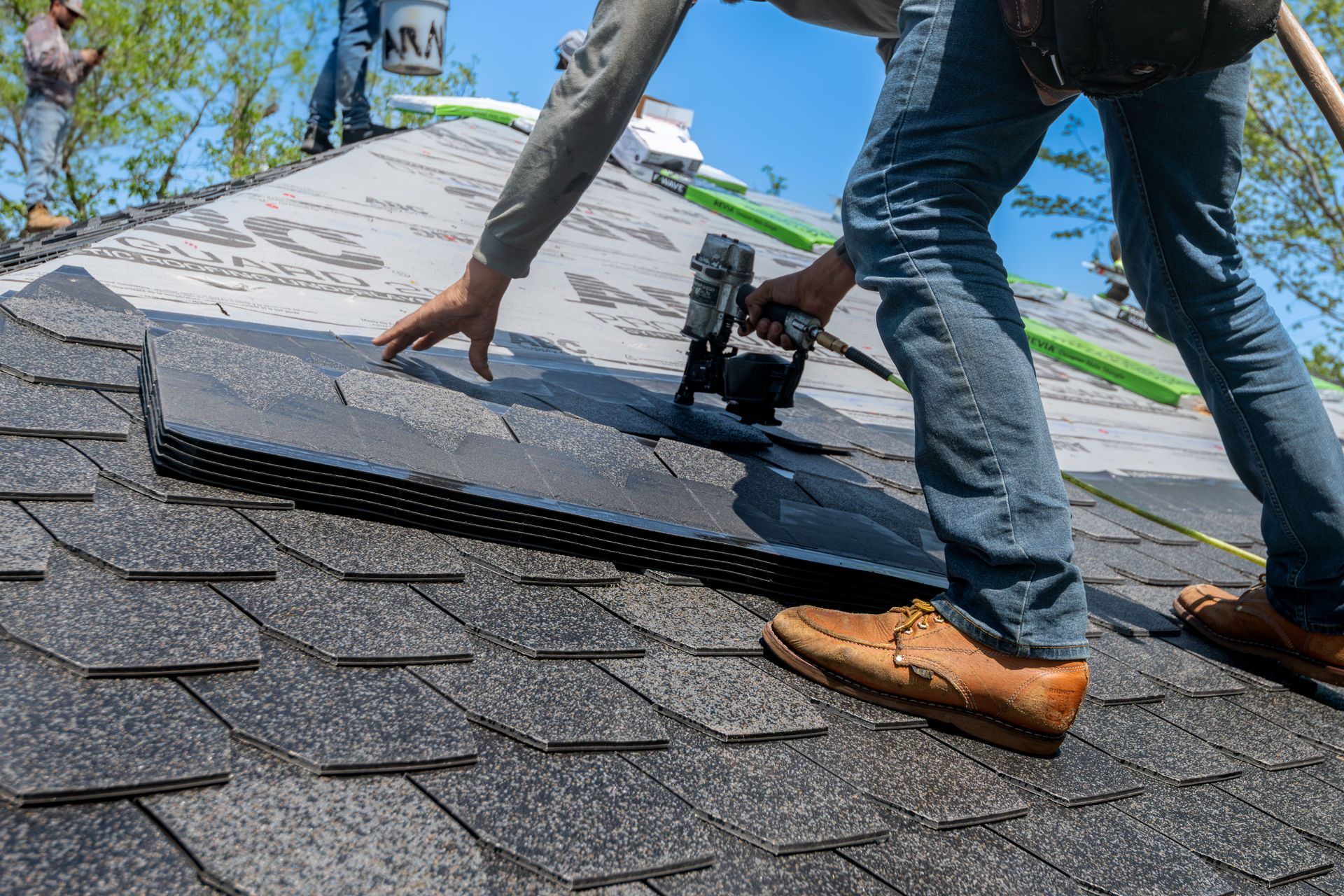
Tile roofs in Cape Coral can look sound while underlayment problems develop below. Learn signs, inspection points, repair factors, and what to ask.
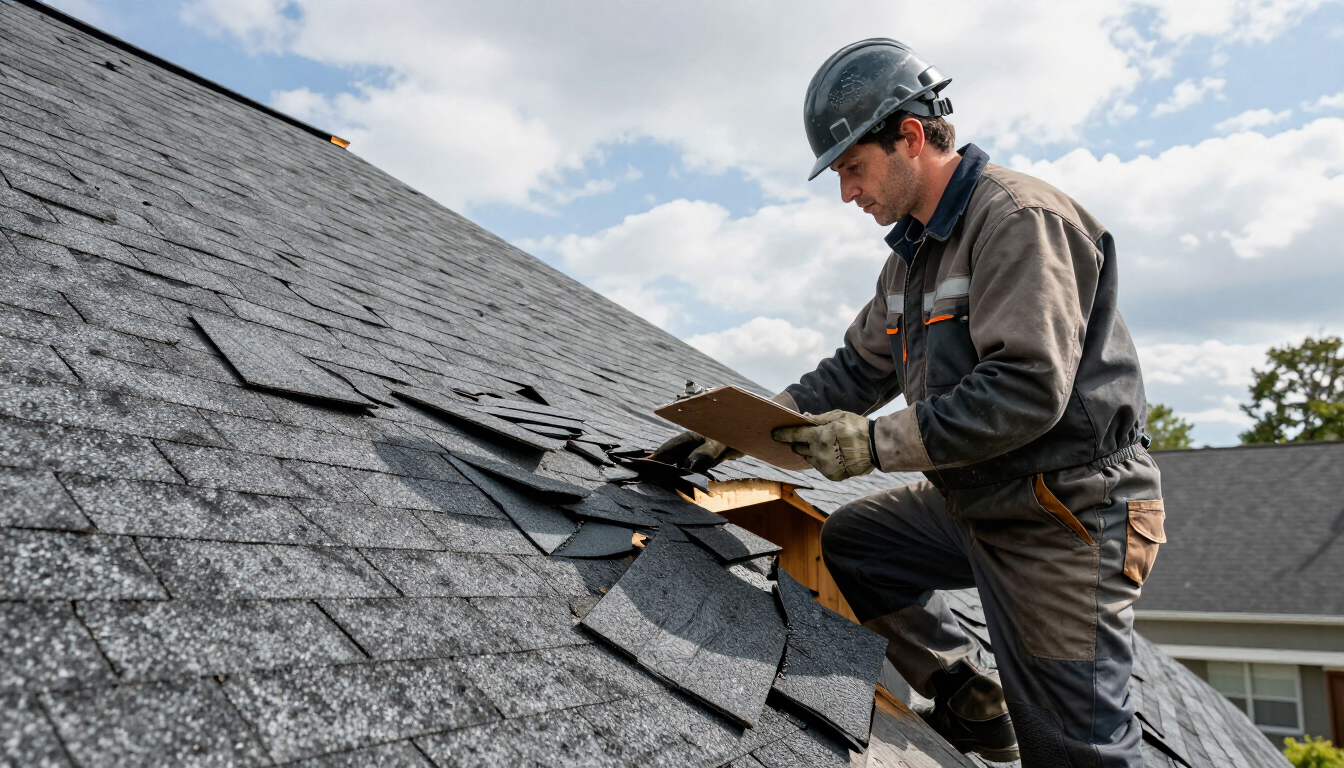
A practical photo guide for Ohio homeowners after roof hail damage, including what to capture, how to organize it, and when to schedule an inspection.
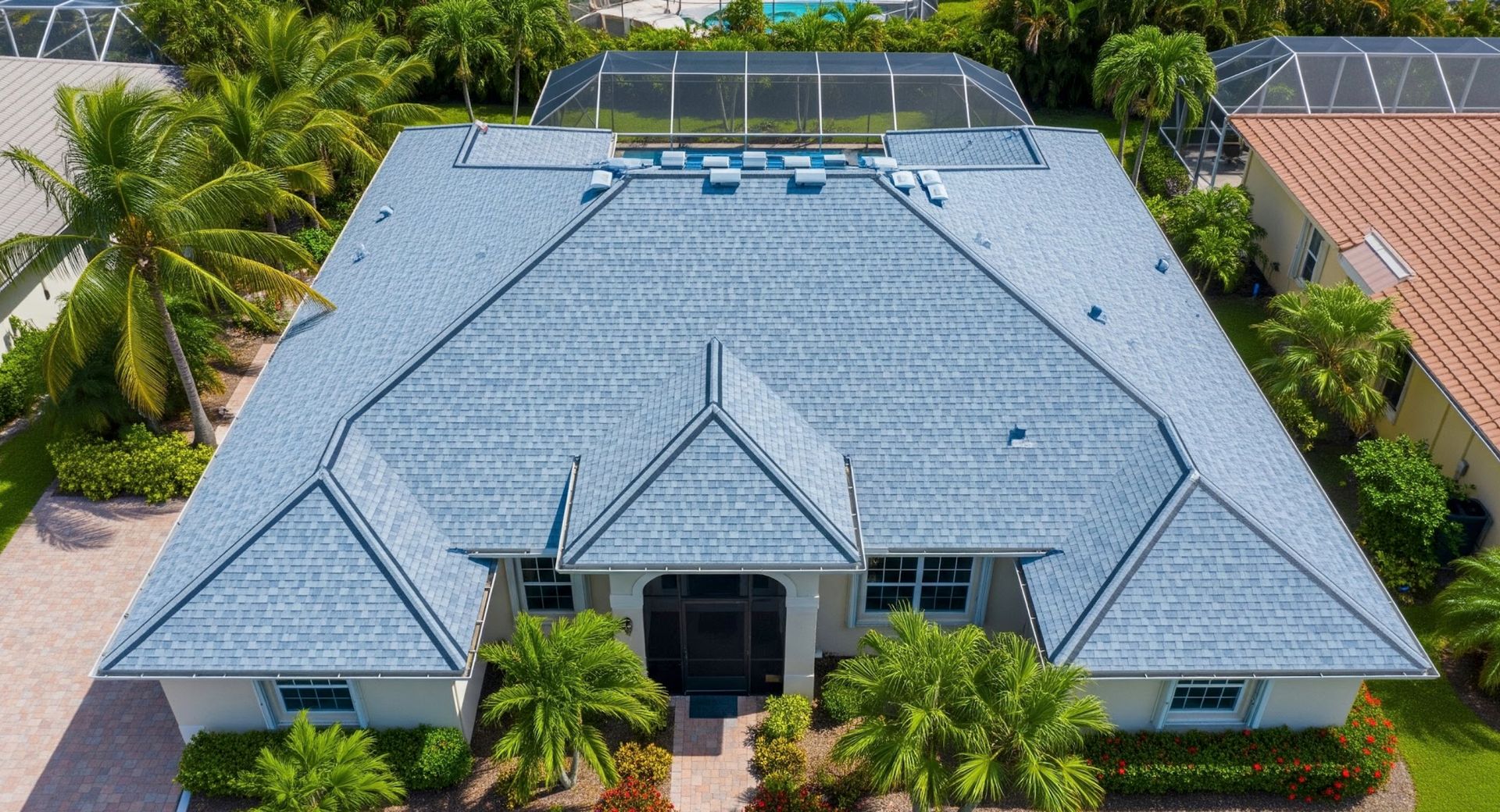
When you live in a place as beautiful and storm prone as Cape Coral, FL , your roof isn’t just another part of the house. It’s your first and most vital line of defense against Florida’s blazing sun, high humidity, and hurricane season downpours. That’s why finding a dependable roofing contractor who knows the local weather, building codes, and roofing needs is more than just smart, it’s essential. Here at Allstate Exteriors , we’ve been proud to provide professional roofing in Cape Coral, FL , delivering high performance results to homeowners throughout neighborhoods like Pelican, Cape Harbour, Trafalgar, and Burnt Store. Our mission is simple: protect homes with expert craftsmanship, premium materials, and trustworthy service . Why Roofing in Cape Coral Requires Specialized Expertise Cape Coral isn’t just another Florida city, it’s a unique community with specific architectural styles, salt air exposure from the Gulf, and frequent tropical weather patterns. The roofs here aren’t just sloped pieces of protection, they’re carefully engineered systems that must withstand intense environmental pressure year after year. When we take on a roofing job in Cape Coral , we bring not only our tools and materials, but also a deep understanding of: Wind uplift ratings necessary for hurricane protection Reflective materials to reduce cooling costs during brutal Florida summers Ventilation solutions to combat moisture and mold Local permit and code requirements specific to Cape Coral and Lee County Whether it’s replacing an old asphalt shingle roof in the Yacht Club area or upgrading to a standing seam metal roof near Surfside Boulevard, we tailor each project for long term durability and local conditions. Real Results: Recent Roofing Projects in Cape Coral We’ve recently completed several roofing projects in Cape Coral that highlight the scope of our expertise and the quality we bring to each job. One standout job took place in the Rose Garden neighborhood. The homeowner reached out after repeated leaks from their 20-year-old tile roof. After a comprehensive inspection, we recommended a total tear off and reinstallation using high end barrel style clay tiles that match the home’s Mediterranean style. The result? Not only does the roof now provide superior water resistance and wind protection, but it also enhances the curb appeal of the entire property. You wouldn’t believe the transformation, and the homeowner couldn’t be happier. In another project over in Southwest Cape Coral near Cape Coral Parkway, we installed a modern metal roofing system for a homeowner looking to increase energy efficiency. Thanks to its reflective coating and seamless installation, the house now stays cooler in the summer and costs less to maintain. Our Roofing Services in Cape Coral, FL No two roofs and no two roofing clients are alike. That’s why we offer a wide variety of roofing services in Cape Coral , tailored for every need and budget: Roof Replacement – Is your roof past its prime? We’ll walk you through the best materials and options available, whether it's asphalt shingles, metal, tile, or flat roof systems. Roof Repair – From missing shingles to flashing failures and wind damage, our repairs are quick, thorough, and built to last. Roof Inspections – Whether you're buying a new home in Cape Coral or just want peace of mind, our inspections help identify potential problems before they become expensive headaches. Emergency Storm Repairs – When tropical weather strikes, we offer fast response service to secure your property and begin the restoration process. Every one of our jobs comes with clear communication, honest pricing, and a team of licensed, insured professionals committed to getting it right the first time.