
Hail Damage on Your Roof?

March 27, 2025

Hail Damage on Your Roof? Here's How to Spot It Before It's Too Late


Understanding Hail and Its Impact on Roofs
Hail is a common yet destructive weather phenomenon that can cause severe damage to homes, vehicles, and other structures. It occurs when powerful updrafts in thunderstorms carry raindrops into extremely cold areas of the atmosphere, causing them to freeze. As these frozen droplets are repeatedly lifted and coated with additional layers of ice, they grow into hailstones before eventually falling to the ground.
Hailstorms vary in intensity, with hailstones ranging from small pellets to large, golf ball-sized chunks of ice. Roofs, in particular, are vulnerable to hail impacts, which can weaken their structural integrity over time. Understanding how hail forms and recognizing its effects on roofing materials can help homeowners take proactive steps to protect their homes and minimize potential repair costs. Depending on their size and density, hailstones can cause significant damage to roofs and other structures.

Common Types of Hail Damage on Roofing Materials
The extent of hail damage to a roof depends on factors such as hailstone size, wind speed, roofing material, and the roof's condition. Common types of hail damage include:
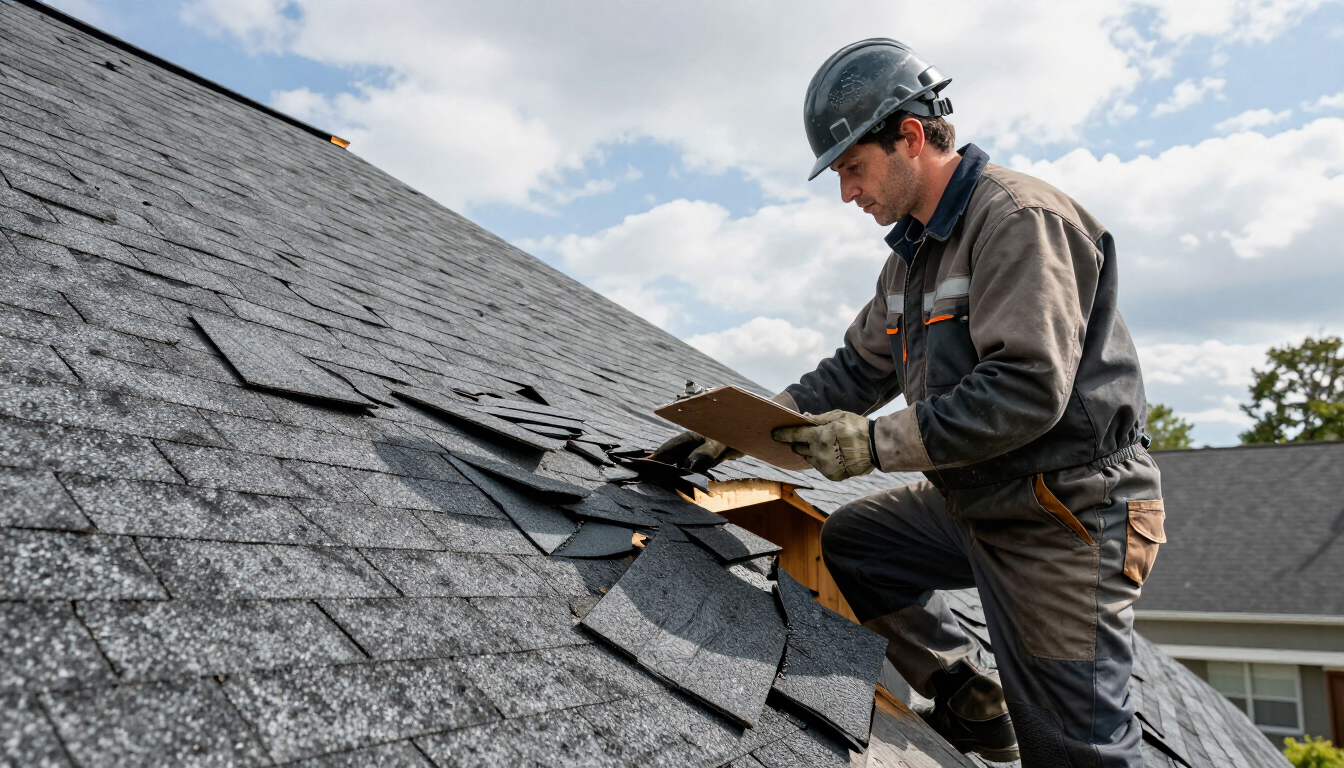
Asphalt Shingles: Hail impact can dislodge protective granules from asphalt shingles, exposing the underlying material to UV damage and accelerating wear. Severe impacts may cause bruising, which weakens the shingle structure, leading to cracks, indentations, and potential leaks.
Wood Shingles: Hail can cause wood shingles to split along the grain, creating sharp, jagged edges. These splits may allow water infiltration, leading to rot and deterioration over time. Additionally, impact marks can compromise the shingle’s structural integrity.
Metal Roofs: Metal roofing can sustain dents from hail impact, which may not always affect performance but can be unsightly. More severe impacts can chip protective coatings, exposing the metal underneath to moisture and increasing the risk of rust and corrosion.
Tile or Slate Roofs: Hailstones can cause chips or fractures in tile and slate roofing, compromising their durability. Even small cracks can expand over time due to weather fluctuations, potentially leading to structural weakness and eventual breakage.

Signs of Hail Damage on Your Roof
Indicators of Hail Damage
To detect hail damage, look for:
Dented Gutters and Downspouts: Metal gutters and downspouts often show signs of hail damage before the roof does.
Damaged Siding and Windowsills: Check for dents or cracks in siding and window frames.
Roof Vents and Shingles: Dents, missing granules, cracks, or displaced shingles can indicate hail impact.
Granule Loss: Shingle granules in your gutters or on the ground signal hail damage and roof wear.

Potential Consequences of Hail Damage
Hail damage can weaken roofing materials, allowing moisture to penetrate. Granule loss exposes the underlying asphalt to UV rays, accelerating roof deterioration and increasing the risk of leaks.


The Importance of Professional Roof Inspections
Benefits of Hiring a Professional Roofing Contractor
While some hail damage is visible from the ground, a thorough inspection requires a trained eye. Professional roofing contractors can safely assess the extent of damage and recommend necessary repairs or replacements.
Recommended Frequency for Roof Inspections
After a severe hailstorm, schedule an inspection immediately. Otherwise, annual inspections help detect damage early and prevent costly repairs.

Steps to Take After Hail Damage Occurs
Immediate Actions to Take After a Hailstorm
Document the Damage: Take photos of visible damage to your roof, gutters, siding, and windows.
Contact a Professional Roofing Contractor: A roofing contractor can conduct a full assessment.
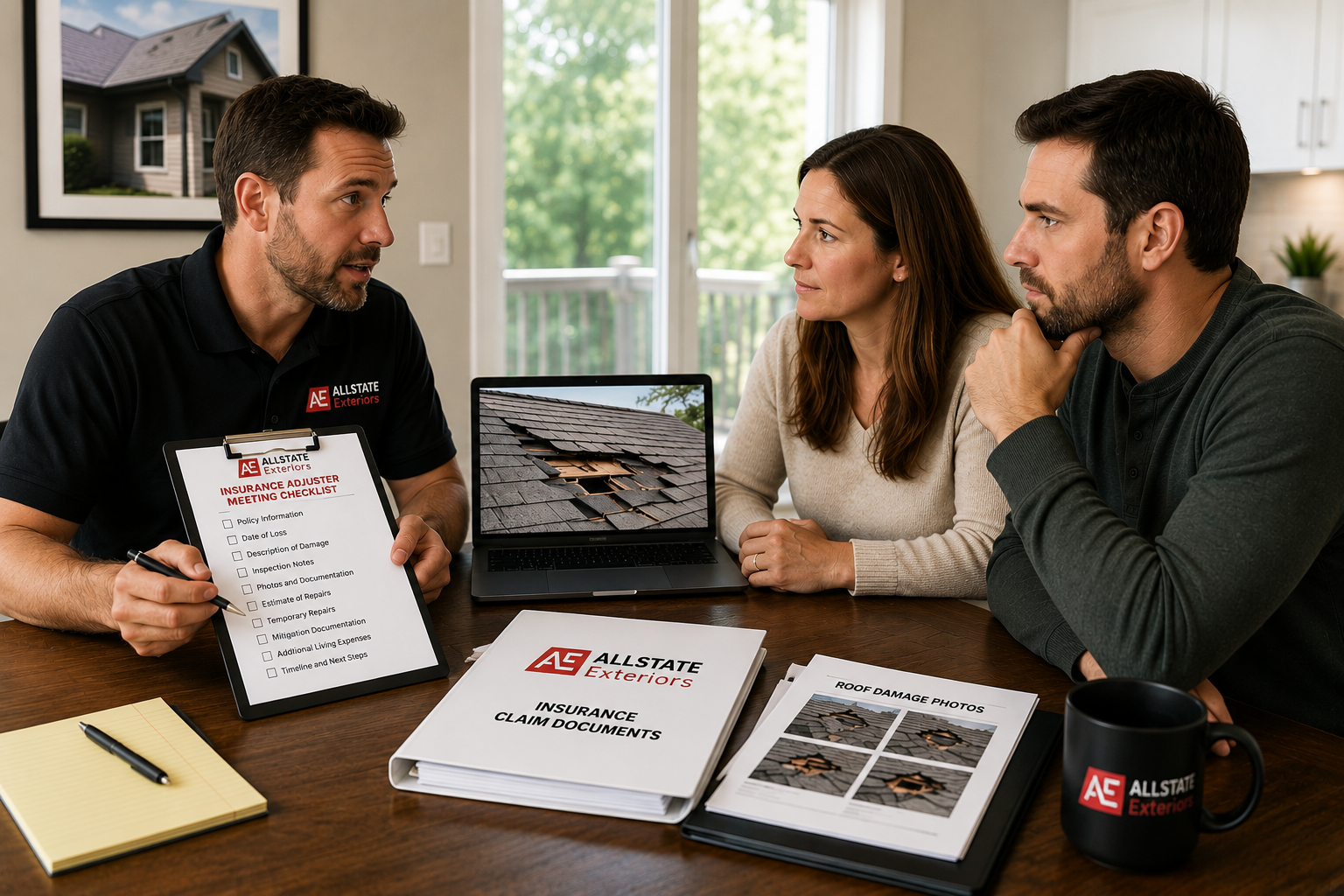
Notify Your Insurance Company: Submit a claim with supporting documentation and inspection reports.

How Roofing Contractors Assist with Insurance Claims
A professional roofing contractor can help by:
Providing a detailed report of the damage.
Meeting with the insurance adjuster to ensure all damages are properly assessed.
Offering repair estimates to streamline the claims process.

Preventative Measures and Maintenance
Factors Affecting Repair Costs
Hail damage repair costs can vary based on several factors, including:
Extent of Damage: Minor repairs may be inexpensive, while significant damage requiring a full roof replacement will be more costly.
Roofing Material: Asphalt shingles, metal roofs, and tile roofs have different repair and replacement costs.
Labor and Permits: Contractor fees and local permit requirements can influence the overall cost.
Insurance Coverage: Your homeowner’s insurance policy may cover some or all of the repair costs, depending on your coverage and deductible.

Cost-Saving Tips for Hail Damage Repairs
Get Multiple Quotes: Comparing quotes from different roofing contractors can help you find the best price.
Consider Roofing Upgrades: If replacing your roof, consider impact-resistant shingles for better future protection.
Work with Your Insurance Company: Understanding your policy and filing claims correctly can help maximize coverage and minimize out-of-pocket expenses.

Ways to Protect Your Roof from Future Hail Damage
Install Impact-Resistant Roofing Materials: Class 4 impact-resistant shingles withstand hail damage better than standard shingles.
Regular Maintenance: Keep your roof in good condition to withstand severe weather.
Trim Overhanging Branches: This prevents branches from falling and damaging the roof during storms.
Warranty Coverage for Hail Damage
Some roofing materials come with hail damage warranties. Always review warranty details to understand your coverage.

Frequently Asked Questions

How do I know if my roof has hail damage?
Look for dents on gutters, missing granules, cracked shingles, or leaks inside your home. If unsure, schedule an inspection with a roofing contractor.
Will my homeowner's insurance cover hail damage?
Most homeowner's insurance policies cover hail damage, but coverage details vary. Review your policy and work with your roofing contractor to file a claim.
How long do I have to file an insurance claim for hail damage?
This depends on your insurance provider. Many policies require claims to be filed within a certain timeframe after the storm, typically 6 to 12 months.
Should I replace my roof after hail damage, or can it be repaired?
It depends on the severity of the damage. Minor damage can often be repaired, but extensive damage may require a full roof replacement.
How can I prevent hail damage in the future?
Consider installing impact-resistant shingles, keeping up with regular roof maintenance, and ensuring proper attic ventilation to prevent premature roof deterioration.
Protect Your Home with Expert Roofing Services in Columbus, Ohio
Hail damage can be tricky to spot and costly to fix if left unaddressed. Even minor hail impacts can compromise the integrity of your roofing system, leading to leaks, mold growth, and structural deterioration over time. Taking immediate action after a hailstorm can save you from expensive repairs down the line.

At Allstate Exteriors, we understand the challenges that come with hail damage. Our experienced team provides comprehensive roof inspections, identifying even the smallest signs of damage that could lead to bigger problems in the future. We specialize in storm damage repair and work closely with insurance companies to streamline the claims process, ensuring you receive the coverage you deserve.
Our expert team specializes in storm damage repair and insurance claim assistance, ensuring your roof remains strong and secure.


January 28, 2026
When it comes to protecting your home and lowering energy costs, proper insulation is one of the most impactful upgrades you can make. From regulating indoor temperatures to supporting your roofing system, attic and wall insulation play a critical role in year-round comfort and long-term home performance. For homeowners looking to improve energy efficiency, understanding how insulation works — and how it connects to your roof — is the first step toward a smarter, more resilient home. Why Home Insulation Matters More Than You Think Insulation does far more than keep your home warm in winter and cool in summer. High-quality attic and wall insulation helps reduce energy loss, supports indoor air quality, and protects your home’s structure from moisture-related damage. Key benefits of professional insulation installation include: * Lower energy bills: Proper insulation reduces heat transfer, allowing your HVAC system to operate more efficiently. * Improved indoor comfort: Consistent temperatures throughout your home eliminate hot and cold spots. * Noise reduction: Insulation helps dampen outside noise for a quieter living environment. * Moisture control: Quality insulation minimizes condensation that can lead to mold or structural issues. Understanding R-Value and Energy Efficiency One of the most common terms homeowners hear when discussing insulation is R-value. R-value measures an insulation material’s resistance to heat flow — the higher the R-value, the better the insulation performance. Recommended R-values vary depending on: * Your geographic location * The area being insulated (attic, walls, crawl space) * Local building codes A professional insulation contractor can determine the appropriate R-value to maximize energy efficiency while ensuring compliance with regional standards. Popular Insulation Options for Today’s Homes Modern homes benefit from a variety of insulation materials, each designed for specific applications and performance goals. Blown-In Insulation Made from recycled materials, blown-in cellulose insulation is an eco-friendly option commonly used to upgrade existing homes. It provides excellent thermal coverage and fire resistance. Fiberglass Insulation Fiberglass batts and blown-in fiberglass remain a reliable and cost-effective insulation solution. Advances in manufacturing have improved durability and ease of installation. You've definitely seen this before. It's the iconic pink insulation that most homeowners recognize (and remember as a bit itchy). How Roofing and Insulation Work Together Your roofing system and insulation are deeply connected. Proper attic insulation and ventilation help regulate roof temperatures, which can prevent common roofing issues such as ice dams in winter and excessive heat buildup in summer. When your insulation and ventilation aren't working together properly, you can end up with high energy bills, moisture in your attic, poor temperature regulation, mold, wood rot, and it can even damage your roof structure over time. When insulation is properly installed: * Roofing materials last longer * Energy efficiency improves * Indoor comfort stays consistent year-round At Allstate Exteriors , we approach roofing and insulation as a complete system, ensuring each component supports the other for maximum performance. Invest in Comfort, Efficiency, and Long-Term Protection Upgrading your home’s insulation is not just an energy-saving improvement — it’s an investment in comfort, durability, and property value. When paired with a properly installed roofing system, insulation helps create a home that performs better in every season. If you’re considering attic insulation, wall insulation, or roofing services, the experts at Allstate Exteriors are here to help. Our team provides professional evaluations and tailored solutions designed to meet your home’s unique needs. 
👉 Contact Allstate Exteriors today to schedule a consultation and take the next step toward a more energy-efficient home.
January 23, 2026
Ohio winters are anything but predictable, and this weekend is shaping up to be a reminder of just how powerful winter weather can be. One thing remains certain: your roof is your home's first line of defense against the elements. Before the season's first major snow storm arrives, it's important to make sure your exterior is ready to handle the added weight, moisture, and freezing conditions. At Allstate Exteriors , we want to help you stay ahead of the season. Here are five essential tips for snow readiness to keep your home safe and dry all winter long. 1. Inspect and Clean Your Gutters Clogged gutters are one of the leading causes of ice dams. When snow melts but can’t drain properly, the water refreezes along the roofline, creating a barrier that forces moisture back under your shingles. While ice dams can’t always be prevented, keeping your gutters clear of leaves and debris helps melting snow flow safely away from your roof and siding. Not sure if your gutters are ready for winter or if your roof is at risk for ice dams? Allstate Exteriors offers free inspections to catch problem areas early! 2. Check for Missing or Damaged Shingles Even a small gap in your roofing system can lead to major leaks when snow or ice sits on your roof for extended periods. Before a storm, look for shingles that are cracked, curling, or missing, as these weak points are more likely to fail under winter conditions. After the storm passes, checking again helps catch new damage caused by wind or ice. If you’re not comfortable using a ladder, our team offers a Storm Readiness Inspection to identify potential issues early. 3. Trim Overhanging Tree Branches Winter storms can turn overhanging branches into a real hazard. Heavy snow and ice may cause limbs to snap and fall onto your roof. Taking care of tree trimming now can help prevent unexpected damage and keep your home safer during severe winter weather. Although we don’t trim trees, our account managers are trained to spot potentially hazardous branches hanging over your roof and can help point out areas of concern before winter weather makes them a problem. 4. Assess Your Attic Insulation and Ventilation A well-ventilated attic helps maintain even roof temperatures, reducing the risk of ice dams by preventing snow from melting and refreezing along the roof’s edge. When heat becomes trapped in the attic, your roof is far more susceptible to ice dam formation, water intrusion, and damage. Attic insulation and ventilation play a critical role in the performance and lifespan of your roofing system. Your roof is designed to breathe. Throughout the year, moisture naturally exits your home through proper attic ventilation. When airflow is restricted or insulation is inadequate, that moisture can become trapped—leading to condensation, premature shingle deterioration, and increased stress on your roof during winter weather. Proper attic insulation and ventilation help protect your roof system year-round, not just during snow and ice storms. A quick and easy way to spot potential attic insulation or ventilation issues—without climbing on your roof or entering your attic—is to check your gutters. If you notice shingle granules or small, rock-like debris collecting inside, it’s often a sign of premature shingle wear caused by excess heat and moisture. This can indicate that your roofing ventilation and insulation may need to be evaluated. 5. Schedule a Professional Inspection Some of the most critical roofing issues aren’t visible from the ground. A professional inspection can identify hidden damage, structural concerns, or early signs of wear that could turn into major problems during the winter months. Feeling unprepared for Ohio winter weather? We’ve got you covered. 👉 Contact Allstate Exteriors today to schedule your winter maintenance checkup and head into the season with confidence.
January 5, 2026
The decorations are finally back in the attic and the kids are back in school—congratulations, you survived! Now that the house is quiet again, you might actually be able to hear those gutters calling for help. The holidays are over, and we are officially back on the clock to protect your family’s #1 asset. Whether it’s a minor fix or a major repair, let’s make sure your home is ready for whatever 2026 throws at it! Let’s be honest. Are you still finding rogue pine needles in the carpet? Is there one stubborn inflatable snowman still half-deflated on the lawn because it’s just too cold to deal with it? We get it. The holidays are a whirlwind of joy, chaos, sugar, and wrapping paper. It’s easy to let things slide when you’re focused on family and festivities. During December, the only thing you want landing on your roof is reindeer paws. But now the calendar has flipped. The in-laws have finally gone home, the kids are back in school, and reality is setting back in. The "holiday fog" has lifted, and you might be noticing things about your house that you successfully ignored for the last six weeks. Perhaps that gutter is sagging a little more noticeably now that the festive lights are gone. Maybe you’re noticing a draft now that the oven isn't running 24/7 baking cookies. While we joke about the post-holiday slump, getting back on track in January is actually vital for homeowners. Your home isn't just where you store your leftover fruitcake; it is likely your family’s most valuable financial asset. It’s the shelter that protects the people you love most. And while you were busy roasting chestnuts, winter weather was busy testing your home’s exterior. The period between the holidays and the thaw of spring is a critical time for seasonal home maintenance. Small issues left unchecked during the freezing months can turn into expensive disasters by March (and none of us deserve that!) Our team is energized and officially back on the clock. We are ready to tackle the projects that got pushed to the back burner during the holiday rush. If you are looking for reliable home repair contractors in Ohio or Florida, now is the time to reach out. We are refocusing our efforts on ensuring your home is watertight, secure, and ready for whatever the rest of winter throws our way. Whether you need a winter roof inspection, are worried about ice dams, or need general exterior repairs, don't wait until a small leak becomes a flooded living room. Let’s make a late New Year's resolution together: No more ignoring the house. Contact us today to schedule an inspection. Let’s ensure your home remains the safe, comfortable sanctuary it was meant to be.
December 31, 2025
Your roof is more than just shingles and nails; it’s the primary shield for your home and everything inside it. When it comes time for a replacement, the estimate you receive is the roadmap for that entire project. At Allstate Exteriors, we believe that a transparent estimate is the foundation of a successful partnership. Unfortunately, not all estimates are created equal. Some are designed to win a job based on price alone, often hiding the "shortcuts" that lead to expensive repairs down the road. Here is how to ensure your roofing estimate is working for you, not against you. The Anatomy of a Quality Estimate A professional estimate should never leave you guessing. If a contractor hands you a single-page document with a total price and little else, that is a major red flag. A comprehensive bid should include: * Specific Materials: It shouldn't just say "shingles." It should list the brand, line (such as Owens Corning Duration Flex), and even the color. * The "Hidden" Components: A quality roof requires more than just shingles. Your estimate should detail the underlayment, ice and water shields, drip edges, and ventilation systems. * Labor and Disposal: Ensure the cost of tearing off the old roof and the fees for hauling away debris are explicitly stated. * Project Timeline: While weather can cause shifts, a professional roofer will provide estimated start and completion dates. Don't Skip the Paperwork Before you look at the bottom line, look at the credentials. In both Ohio and Florida, hiring an unlicensed or uninsured contractor puts the financial burden on you if an accident occurs. Always verify: 1. General Liability Insurance: Protects your property from accidental damage. 2. Workers’ Compensation: Ensures you aren't held liable if a crew member is injured on your property. 3. Manufacturer Certifications: Contractors with elite status, like Platinum Preferred status, can often offer extended warranties that standard installers cannot. The Danger of the "Lowest Bid" It is tempting to choose the cheapest option, especially for a major investment. However, an abnormally low price usually means something is missing. Whether it's using "seconds" (defective materials), skipping the flashing updates, or hiring untrained labor, the initial savings often disappear when the roof fails prematurely. Your Peace of Mind Matters A reputable contractor will never pressure you to sign a contract on the spot. They will walk you through the financing options, explain the warranty terms, and answer every question until you feel confident. Is your current roofing estimate missing these details? Contact Allstate Exteriors, the name you can trust, today for a free and transparent second opinion. We’ll help you compare your quotes and ensure your home gets the protection it deserves.
October 22, 2025
Your home is likely your most significant investment, and the roof is its first line of defense. When it comes time for a replacement, the process often feels less like home improvement and more like a high-stakes gamble. With dozens of contractors promising "unbeatable prices" and "lightning-fast installs," how do you distinguish a true craftsman from a corner-cutter? At Allstate Exteriors, we believe an estimate should be more than just a number, it should be a roadmap. Over the years, we have seen homeowners save a few hundred dollars upfront only to spend thousands later fixing avoidable mistakes. If you want to protect your home and your wallet, you need to learn how to read between the lines. Here are the five critical red flags to watch for before you sign a contract. 1. The "One-Line" Estimate If a contractor hands you a piece of paper that simply says " Roof Replacement: $12,000," they aren't being efficient, they’re being vague. A professional estimate is a detailed inventory of the work to be performed. You deserve to see a breakdown that includes: Specific Materials: Brand names, shingle types, and quantities. Logistics: Costs for labor, tear-off, and debris disposal. The Details: Plans for ventilation, flashing updates, and underlayment. Why it matters: Without transparency, you have no way of knowing if the contractor is using premium materials or the cheapest products available. 2. The Missing Paperwork In the roofing industry, "trust me" isn't a valid business credential. Any reputable company will proactively provide proof of liability insurance and workers’ compensation. If a worker is injured on your property and the company isn't insured, that liability could fall on you. Furthermore, look for manufacturer certifications. At Allstate Exteriors, we are Owens Corning Platinum Preferred Contractors, a distinction held by less than 1% of roofers nationwide. This isn't just a badge; it’s a guarantee that we meet the highest industry standards for installation and safety.
October 21, 2025
Florida homeowners know their roofs take a beating year-round. Between scorching UV rays, high humidity, tropical storms, and salty coastal air, your roof faces some of the harshest conditions in the country. Over time, those elements can cause costly damage if not properly maintained. Below, our experts at Allstate Exteriors break down the most common roof problems in Florida homes — and more importantly, how to prevent them before they turn into bigger issues. 1. Heat and Sun Damage Florida roofs endure intense UV exposure almost every day. Over time, constant sunlight can cause shingles to crack, curl, and lose their granules, reducing their ability to protect your home. Signs of sun damage: Shingles look faded or brittle Granules collecting in your gutters Roof feels extremely hot to the touch Prevention tips: Choose UV-resistant roofing materials like Owens Corning Duration FLEX shingles or metal roofing Schedule annual roof inspections to spot deterioration early Apply reflective coatings to reduce surface temperature 2. Roof Leaks and Water Intrusion Heavy rain is part of life in Florida. When flashing, underlayment, or seals around vents and chimneys fail, water can find its way into your attic and walls. Signs of roof leaks: Ceiling stains or sagging drywall Musty odors or visible mold Water spots near vents or skylights Prevention tips: Have a professional inspection after every major storm Keep gutters clean to prevent water backup Repair cracked caulking or flashing as soon as it’s noticed 3. Wind and Hurricane Damage High winds during Florida’s storm season can lift shingles, tear off flashing, or even expose the roof deck. Once wind gets under your shingles, your roof’s waterproofing is compromised. Prevention tips: Install wind-rated shingles that meet Florida Building Code standards Ensure your roofing nails and fasteners meet manufacturer and code requirements Schedule a post-hurricane inspection with a licensed contractor 4. Mold, Mildew, and Algae Growth Florida’s humid climate creates a breeding ground for algae and mildew — especially on north-facing or shaded roofs. Those dark streaks you see? That’s roof algae, and it can shorten the lifespan of your shingles. Prevention tips: Choose algae-resistant shingles with copper or zinc granules Trim overhanging trees to increase sunlight and airflow Schedule regular roof cleanings (avoid pressure washing!) 5. Poor Installation or Cheap Materials Unfortunately, after every hurricane, “storm chasers” and unlicensed contractors flood into Florida offering cheap roof replacements. Poor workmanship and low-quality materials can lead to leaks, early failure, and voided warranties. Prevention tips: Hire a licensed Florida roofing contractor with strong reviews and credentials (BTW..Allstate Exteriors has a 4.9 rating with thousands of google reviews!) Ask about Owens Corning Platinum Preferred or other certified partnerships Verify warranties and get all details in writing 6. Failing Flashing and Sealants Flashing around chimneys, skylights, and vents is one of the first areas to fail in Florida’s heat. When sealants crack, leaks begin. Prevention tips: Inspect flashing every 6 months Re-seal with roofing-grade caulk or have it replaced if corroded Keep an eye on roof penetrations after every storm How to Prevent Roof Problems in Florida Year-Round The best way to protect your home — and your wallet — is proactive maintenance. Here’s what our Allstate Exteriors pros recommend: ✅ Schedule a professional roof inspection twice a year (spring + fall) ✅ Clean gutters and downspouts before hurricane season ✅ Trim branches and clear debris after storms ✅ Keep attic ventilation open to prevent trapped moisture ✅ Use impact-resistant materials for future replacements 🏡 Final Thoughts Florida’s unique climate demands extra care for your roof — but prevention always costs less than repair. With routine maintenance, quality materials, and an experienced contractor, you can extend your roof’s life for decades. If you’re in Cape Coral, Orlando, or Palm Bay, the Allstate Exteriors Florida team is here to help. We’re Owens Corning Platinum Preferred Contractors (top 1% nationwide) and proud to keep Florida homes protected from the elements.