

Do You Need a Permit to Replace a Roof in Florida?
June 11, 2025
Do You Need a Permit to Replace a Roof in Florida? Essential Guide for Homeowners
Introduction
Thinking about replacing your roof in Florida? It’s a major project that requires more than just hiring a contractor and choosing shingles. You need to understand if you need a permit before breaking ground. Failing to get the right permits can lead to big trouble, including fines, work delays, or worse—an unsafe roof. With recent updates to building codes and hurricane season approaching, more homeowners are asking if permits are really necessary. Knowing the rules helps protect your home, your wallet, and your legal standing.
Florida Roofing Regulations and Permit Requirements Overview
State and Local Regulations
Florida has strict building codes aimed at keeping homes safe from storms and wear. The Florida Building Code (FBC) sets the minimum standards for
roofing,
including durability, wind resistance, and safety. But rules don’t stop at state lines. Local counties and cities often add their own rules, which can change from one neighborhood to the next. For example, a permit needed in Miami might not be required in a smaller town. Always check with your local building department to stay on top of specific regulations.
Types of Roofing Projects Requiring Permits
In Florida, certain projects definitely need permits. These include:
- Complete roof replacements replacing the entire roof system.
- Changing materials—say, switching from asphalt shingles to metal.
- Installing a new roofing system after damage, especially if it involves structural work.
When Permits Are Not Required
Not all roofing work calls for a permit. Small repairs such as fixing a few shingles,
cleaning gutters, or replacing broken tiles usually fall into this category. Emergency repairs to prevent further damage might also be exempt temporarily. Some local jurisdictions may waive permits for minor projects or if you’re only doing maintenance. Always double-check with your local building department before assuming no permit is needed.
Why Permits Are Necessary for Roof Replacement in Florida
Ensuring Compliance with Building Codes
Building codes are designed to make sure your roof can withstand Florida’s weather. This includes high winds, heavy rain, and hurricanes. When you get a permit, your work has to follow these standards. Without it, you risk getting a subpar roof that may not hold up during a storm. Violating codes can lead to fines or having to redo the work later.
Protecting Property and Residents
Permits mean inspections. A licensed inspector checks your roof at various stages, catching problems early. They verify the quality of work, materials, and proper installation. This process helps ensure your roof is safe and will last longer. Better workmanship means fewer leaks, less damage, and peace of mind for your family.
Insurance and Resale Implications
Thinking about selling your home someday? Unpermitted work can cause trouble. Some insurance companies might refuse to cover damages if your roof work wasn’t permitted. Plus, future buyers or appraisers could see unpermitted repairs as red flags, lowering your home’s value. Always get the proper permits to avoid legal and financial headaches down the road.
Avoiding Potential Fines and Legal Penalties
Failing to secure permits can lead to hefty fines—sometimes thousands of dollars. Local authorities can require you to remove unpermitted work or pay penalties. In some cases, they might halt your project altogether. Playing by the rules keeps your project smooth and avoids unnecessary costs.
The Permitting Process for Roofing in Florida
How to Determine If You Need a Permit?
The easiest way is to call your local building department or visit their website. They often have handy online tools to check if your project needs a permit. Talking to a licensed contractor can also clarify what’s required. Remember, it’s better to ask upfront than deal with surprises later.
Steps to Obtain a Roofing Permit
Here’s a quick overview:
- Gather documents: drawings, project details, and permit application forms.
- Submit your paperwork to the local building office.
- Pay permit fees—costs vary depending on location and project size.
- Wait for approval—this usually takes a few days to a couple of weeks.
- Schedule inspections during and after the work.
Inspection and Approval Procedures
An inspector visits your property to verify work meets Florida’s standards. They check during different phases—say, after framing and after installation. Common issues they spot include improper nailing, missing flashing, or substandard materials. Once everything passes, your permit is closed, and you get official approval. This documentation is useful for future reference or resale.
Hiring Licensed Roofing Contractors in Florida
Importance of Certification and Licensing
Working with licensed contractors guarantees your roof is installed correctly. Licensing shows they understand Florida’s specific building codes and safety standards. It also means they’re insured—protecting you if someone gets hurt or damages your property.
Questions to Ask Before Hiring
Make sure to verify:
- Their license number and credentials.
- References from past clients.
- Proof of insurance coverage.
- How they handle permits and inspections.
A reliable contractor will be transparent about permit processes and ensure everything is approved before finishing the job.
Cost Implications of Permitted vs. Unpermitted Work
Permits may add to your project’s upfront costs, but ignoring them can be more expensive in the long run. Unpermitted work might save money initially but can lead to fines, rework, or legal problems later. A licensed contractor will factor permit costs into their estimate, saving you headaches.
Practical Tips for Homeowners
- Verify Permit Status
- Always check if a permit has been issued. You can contact your local building department or look online. Confirm that the permit is active before work begins, and ask to see the final approval once completed.
- Keep Documentation Safe
- Save copies of all permits, inspection reports, and receipts related to your roof project. These documents are your proof your work was done legally and correctly.
- Stay Informed About Local Regulations
Building codes and permit requirements may change. Check with your local officials periodically, especially before big projects. Staying updated helps you avoid accidental violations.
Benefits of Proactive Compliance
Following the rules and securing permits gives you peace of mind. Your home becomes safer, more valuable, and less likely to face legal issues later. It’s a smart move every homeowner should make.
Conclusion
Replacing a roof
in Florida isn’t just about choosing shingles and hiring a contractor. It’s about making sure your project is legal, safe, and up to code. Permits protect your home, your family’s safety, and your investment. Always check local requirements, work with licensed professionals, and keep your paperwork in order. Proper permitting isn’t a hassle—it’s a smart step to keep your home secure against Florida’s toughest storms. Make that call today and safeguard your roof for years to come.
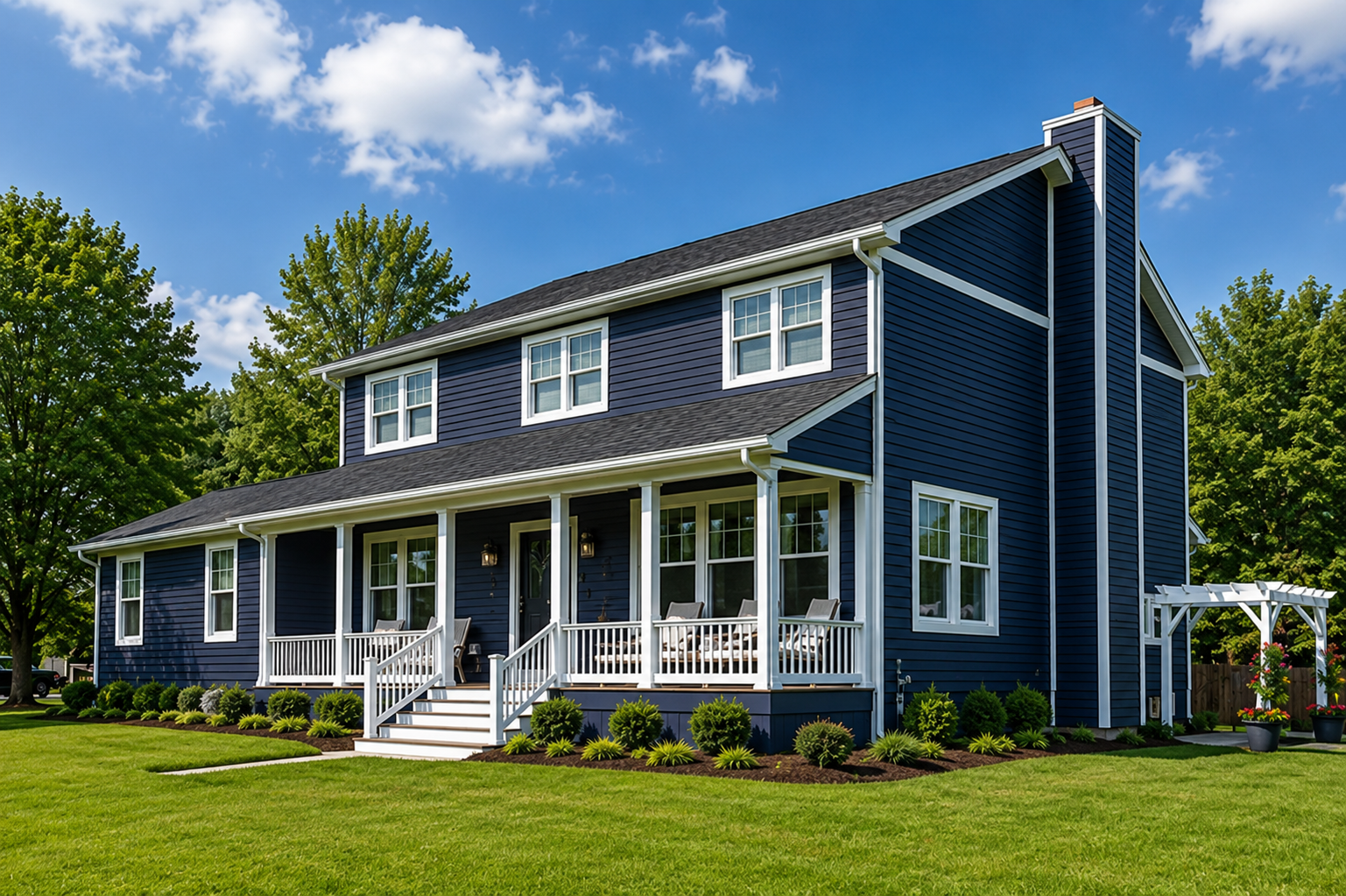
Storm damage can affect the roof, siding, and gutters at once. Learn the right repair order, when bundling makes sense, and what to verify first.
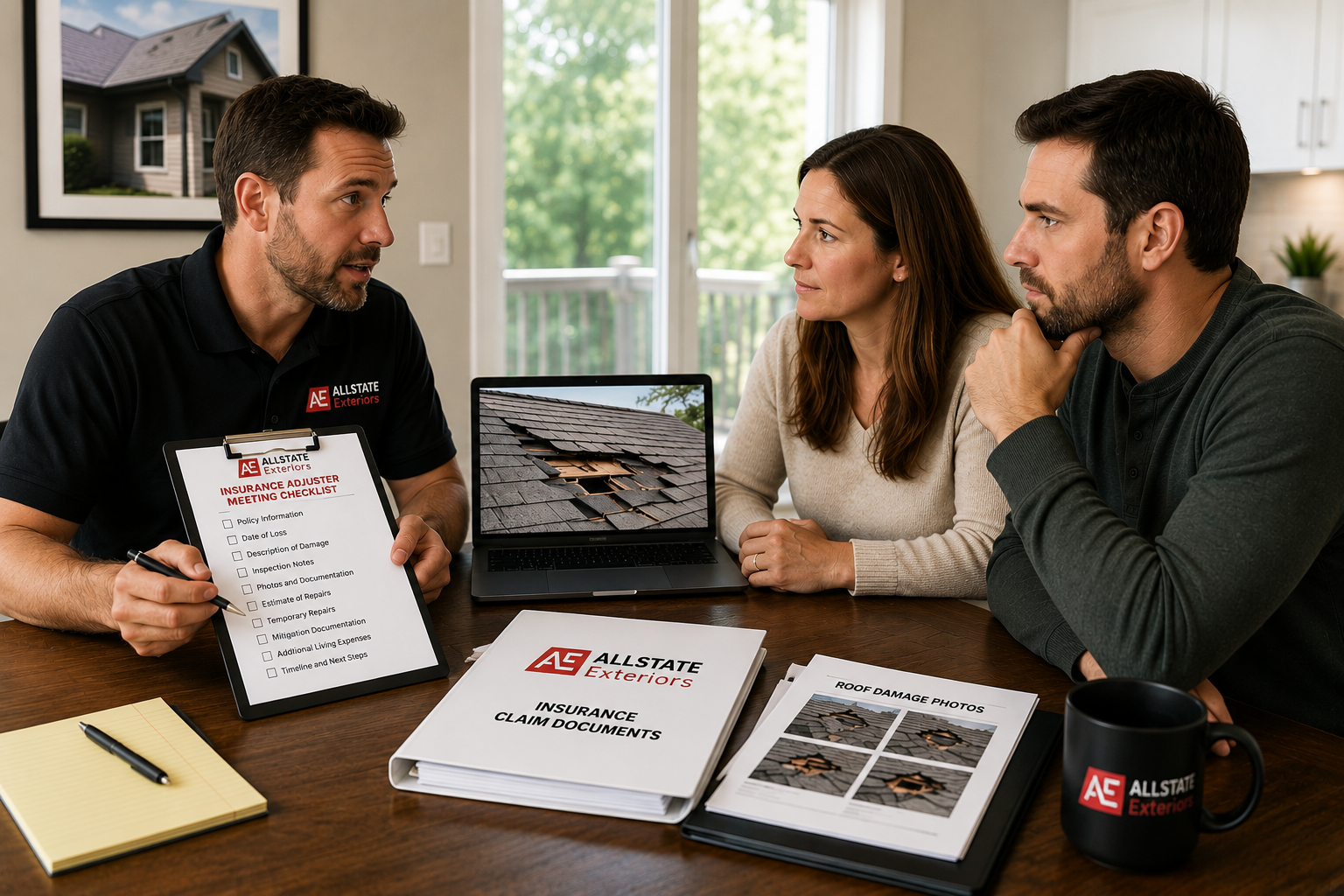
Prepare for a roof insurance adjuster meeting with the right photos, inspection report, claim details, questions, and follow-up steps.

Learn what a strong roof inspection report includes, from photo evidence and condition notes to repair reasoning, insurance documentation, and estimate handoff.
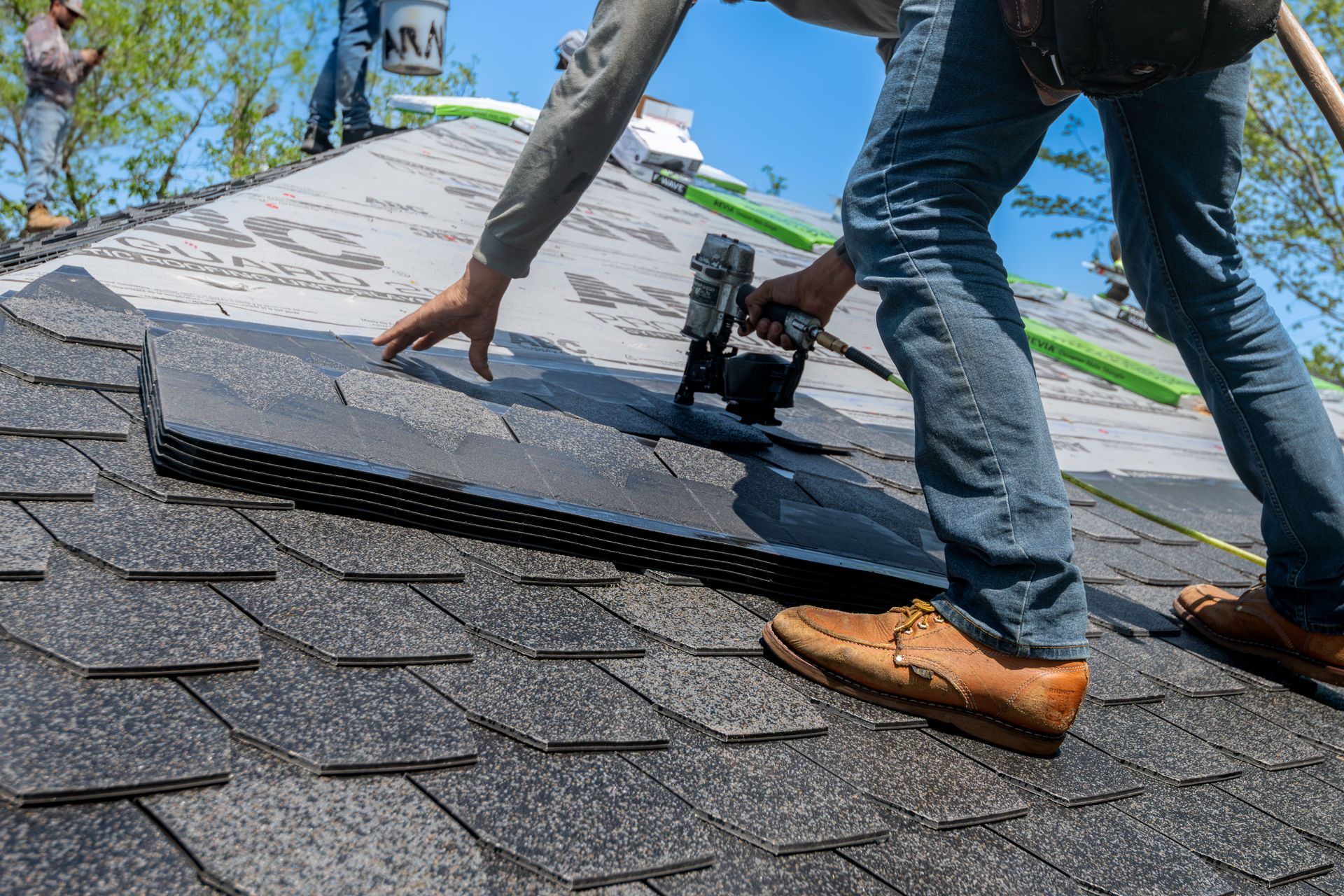
Tile roofs in Cape Coral can look sound while underlayment problems develop below. Learn signs, inspection points, repair factors, and what to ask.
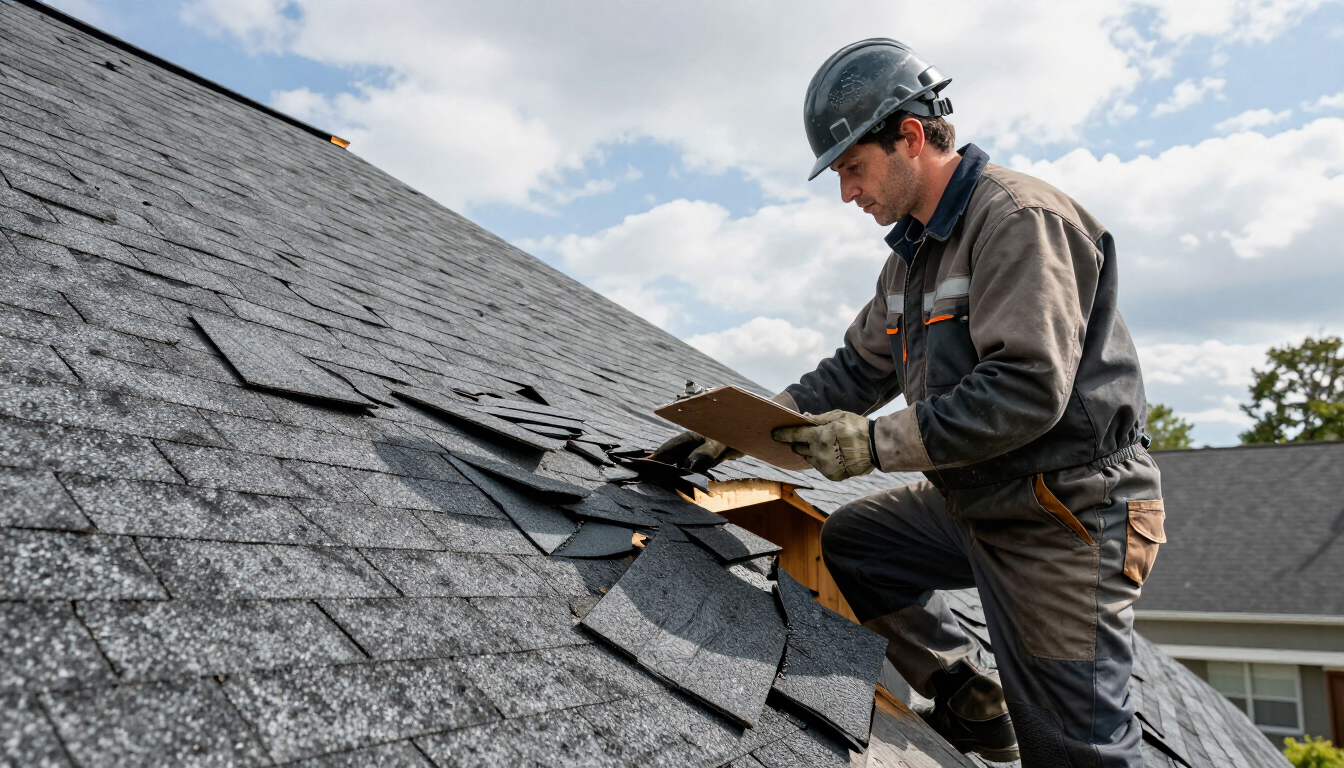
A practical photo guide for Ohio homeowners after roof hail damage, including what to capture, how to organize it, and when to schedule an inspection.
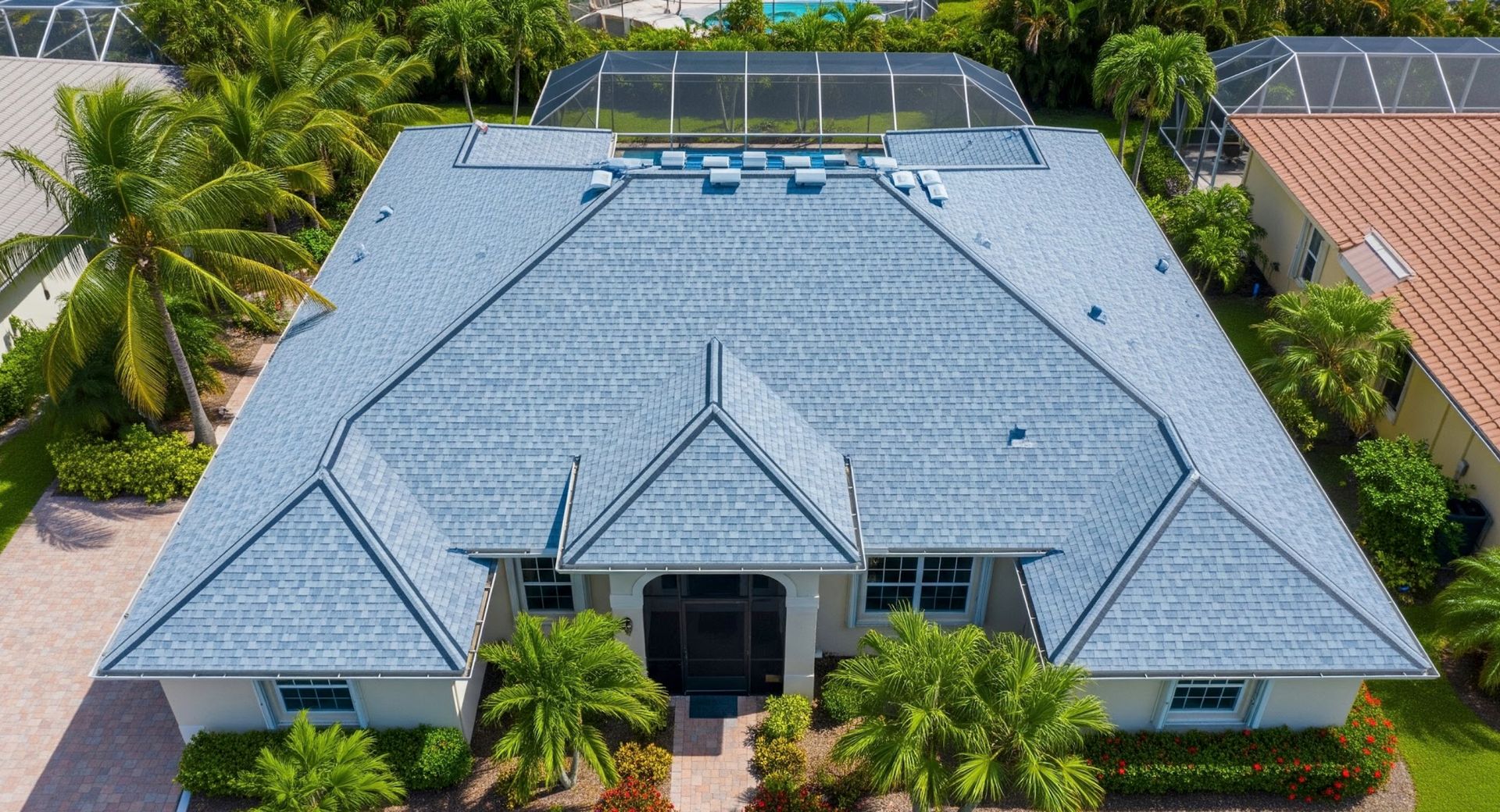
When you live in a place as beautiful and storm prone as Cape Coral, FL , your roof isn’t just another part of the house. It’s your first and most vital line of defense against Florida’s blazing sun, high humidity, and hurricane season downpours. That’s why finding a dependable roofing contractor who knows the local weather, building codes, and roofing needs is more than just smart, it’s essential. Here at Allstate Exteriors , we’ve been proud to provide professional roofing in Cape Coral, FL , delivering high performance results to homeowners throughout neighborhoods like Pelican, Cape Harbour, Trafalgar, and Burnt Store. Our mission is simple: protect homes with expert craftsmanship, premium materials, and trustworthy service . Why Roofing in Cape Coral Requires Specialized Expertise Cape Coral isn’t just another Florida city, it’s a unique community with specific architectural styles, salt air exposure from the Gulf, and frequent tropical weather patterns. The roofs here aren’t just sloped pieces of protection, they’re carefully engineered systems that must withstand intense environmental pressure year after year. When we take on a roofing job in Cape Coral , we bring not only our tools and materials, but also a deep understanding of: Wind uplift ratings necessary for hurricane protection Reflective materials to reduce cooling costs during brutal Florida summers Ventilation solutions to combat moisture and mold Local permit and code requirements specific to Cape Coral and Lee County Whether it’s replacing an old asphalt shingle roof in the Yacht Club area or upgrading to a standing seam metal roof near Surfside Boulevard, we tailor each project for long term durability and local conditions. Real Results: Recent Roofing Projects in Cape Coral We’ve recently completed several roofing projects in Cape Coral that highlight the scope of our expertise and the quality we bring to each job. One standout job took place in the Rose Garden neighborhood. The homeowner reached out after repeated leaks from their 20-year-old tile roof. After a comprehensive inspection, we recommended a total tear off and reinstallation using high end barrel style clay tiles that match the home’s Mediterranean style. The result? Not only does the roof now provide superior water resistance and wind protection, but it also enhances the curb appeal of the entire property. You wouldn’t believe the transformation, and the homeowner couldn’t be happier. In another project over in Southwest Cape Coral near Cape Coral Parkway, we installed a modern metal roofing system for a homeowner looking to increase energy efficiency. Thanks to its reflective coating and seamless installation, the house now stays cooler in the summer and costs less to maintain. Our Roofing Services in Cape Coral, FL No two roofs and no two roofing clients are alike. That’s why we offer a wide variety of roofing services in Cape Coral , tailored for every need and budget: Roof Replacement – Is your roof past its prime? We’ll walk you through the best materials and options available, whether it's asphalt shingles, metal, tile, or flat roof systems. Roof Repair – From missing shingles to flashing failures and wind damage, our repairs are quick, thorough, and built to last. Roof Inspections – Whether you're buying a new home in Cape Coral or just want peace of mind, our inspections help identify potential problems before they become expensive headaches. Emergency Storm Repairs – When tropical weather strikes, we offer fast response service to secure your property and begin the restoration process. Every one of our jobs comes with clear communication, honest pricing, and a team of licensed, insured professionals committed to getting it right the first time.