
A ground-level walk-around for a home that sat empty all summer, and clear signs for when to book a professional roof inspection.

You land in Cape Coral, drive up to the house and the first thing you want is a cold drink on the lanai. Hold off for a few minutes. A snowbird home exterior checklist is the quickest way to learn what the summer did to your home while nobody was watching. The Cape Coral roofing contractor page at Allstate Exteriors points to canal humidity, summer downpours, heat, wind-driven rain and salt air exposure. Your house took all of that without anyone checking on it.
Everything below can be done from the ground or from inside. Nobody needs to climb onto the roof.
Walk the outside from the ground and check six areas: the roof surface, flashing, soffits and fascia, gutters and downspouts, siding, and windows and doors. Then check ceilings and walls inside for water stains. Photograph anything that looks different from last spring. Nothing on the list requires getting on the roof.
Why a Cape Coral Home Needs a Look Before You Unpack
A house that is lived in gets noticed. A drip stain shows up on the morning coffee run. A rattling gutter gets heard. When a home sits empty from spring until the fall, small problems have months to grow without anyone seeing them.
Cape Coral adds its own pressure. Canal humidity, summer downpours and heat all work on the exterior, and wind-driven rain can push water into places that stay dry in a normal rain. Roofs here come in asphalt shingle, metal and tile, and each material shows wear differently. That is why a slow walk around the whole house beats a quick glance from the car.
Bring your phone. Photograph anything that looks off, with the date, so you can compare next time.
The Snowbird Home Exterior Checklist You Can Do From the Ground
Start at the street and work your way around the house in one direction. Stop at each item below.
The Roof Surface From the Driveway
Stand back far enough to see the whole slope. Look for shingles that are lifted, curled or missing, tiles that are cracked or out of line, and metal panels that look loose or stained. A dark patch, a sag or a line that is no longer straight deserves a photo.
Flashing and Roof Penetrations
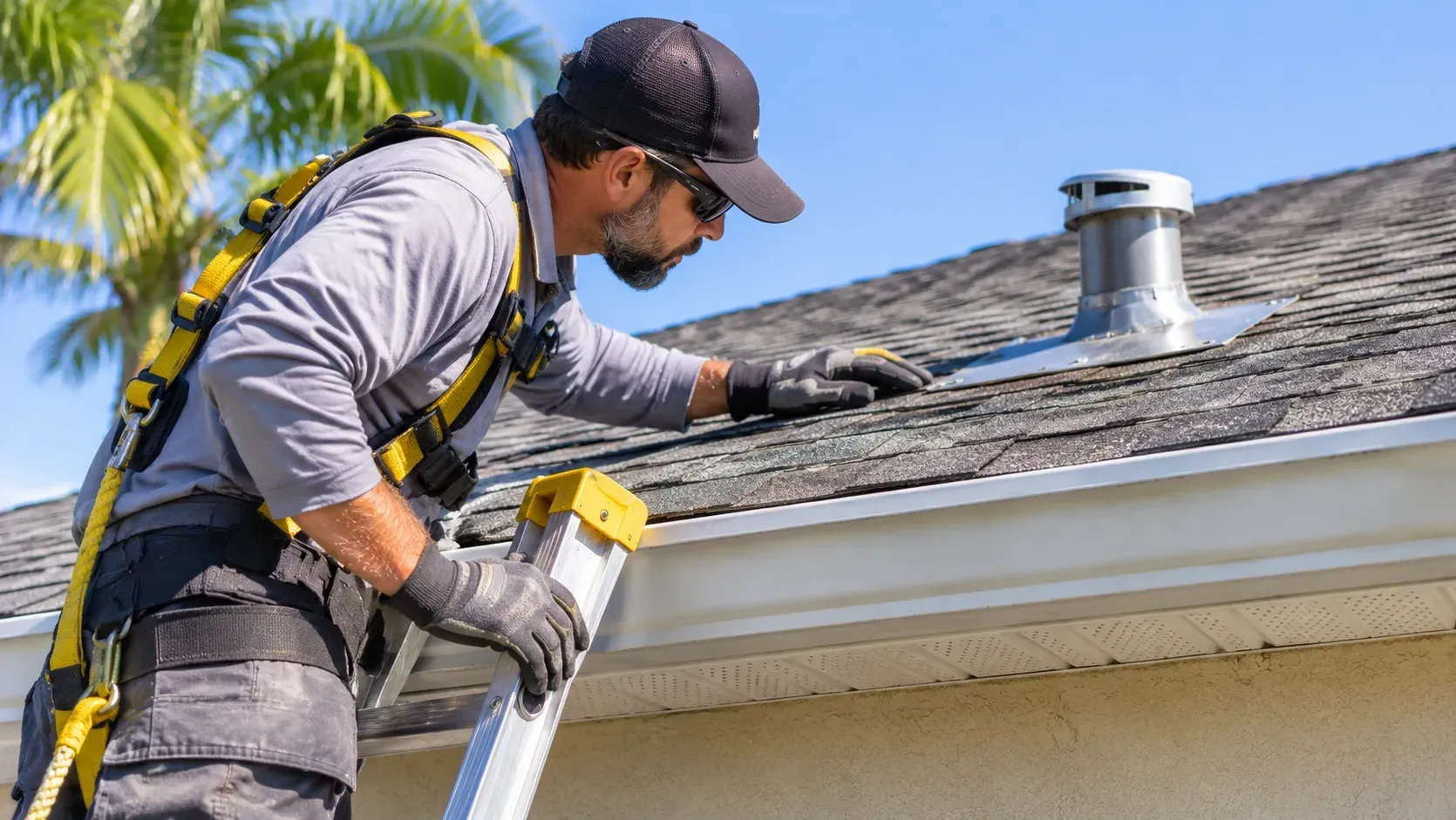
Flashing is the metal or sealed edge where the roof meets a wall, chimney, vent or skylight. Scan those spots for gaps, rust, or sealant that has pulled away. Vents and pipes that poke through the roof are worth a second look.
Soffits and Fascia
Look up at the underside of the roof overhang and along the board at the roof edge. Peeling paint, soft or stained spots and gaps point to moisture getting in.
Gutters and Downspouts
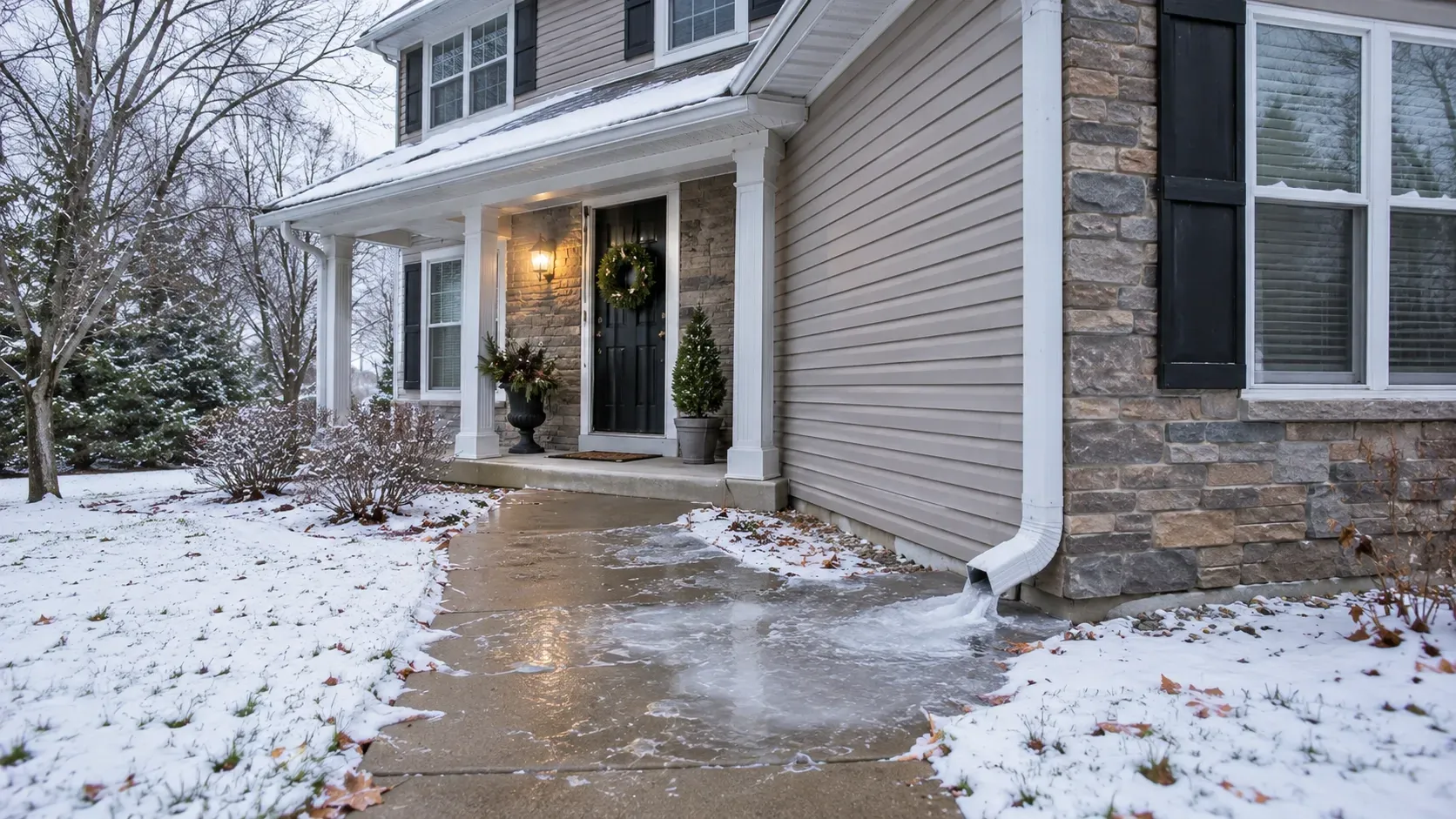
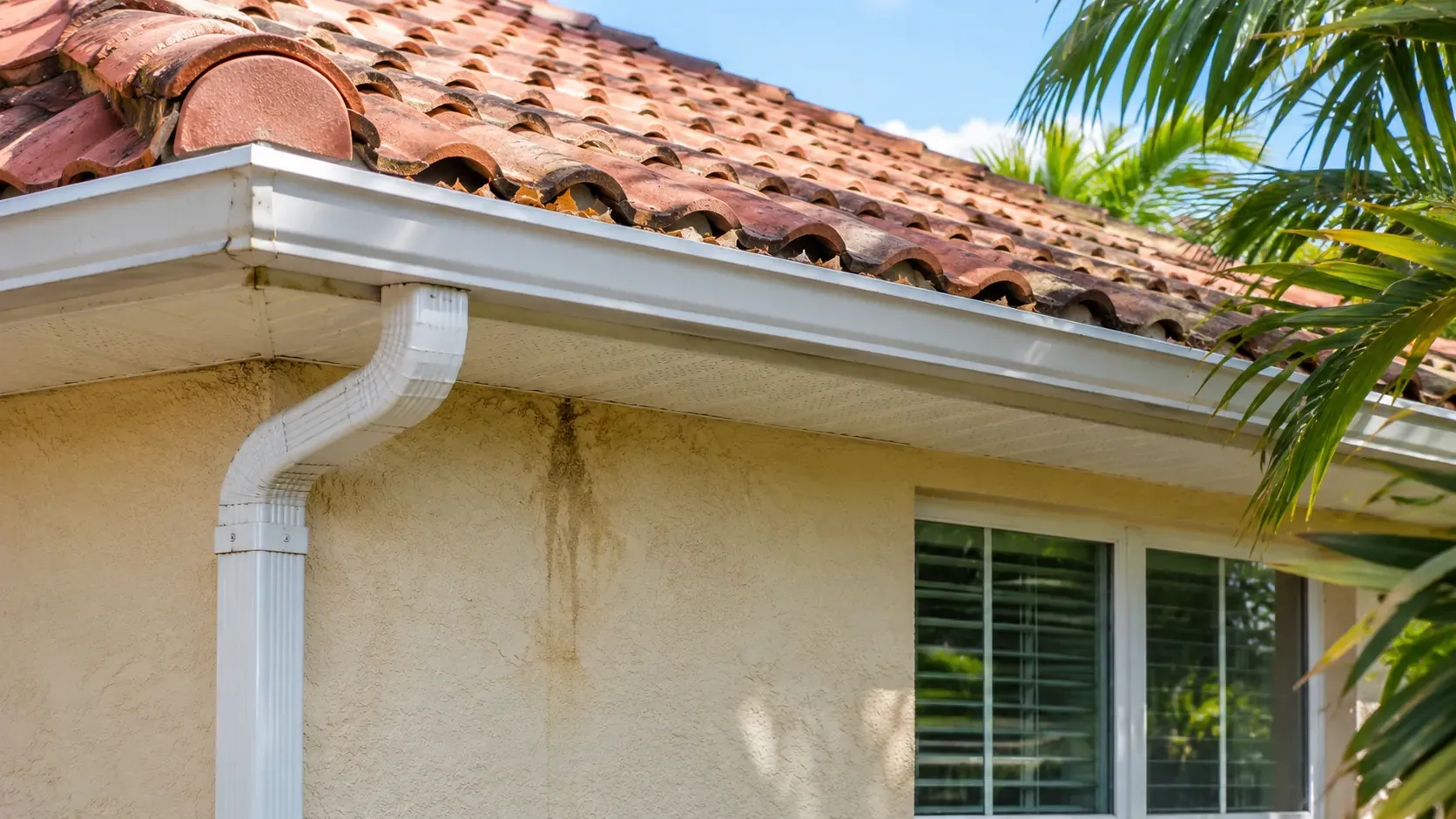
Check that gutters are attached along their whole length, free of debris and not sagging. Make sure each downspout still points water away from the foundation. Overflow marks on the siding below a gutter tell you water has been going the wrong way.
Siding
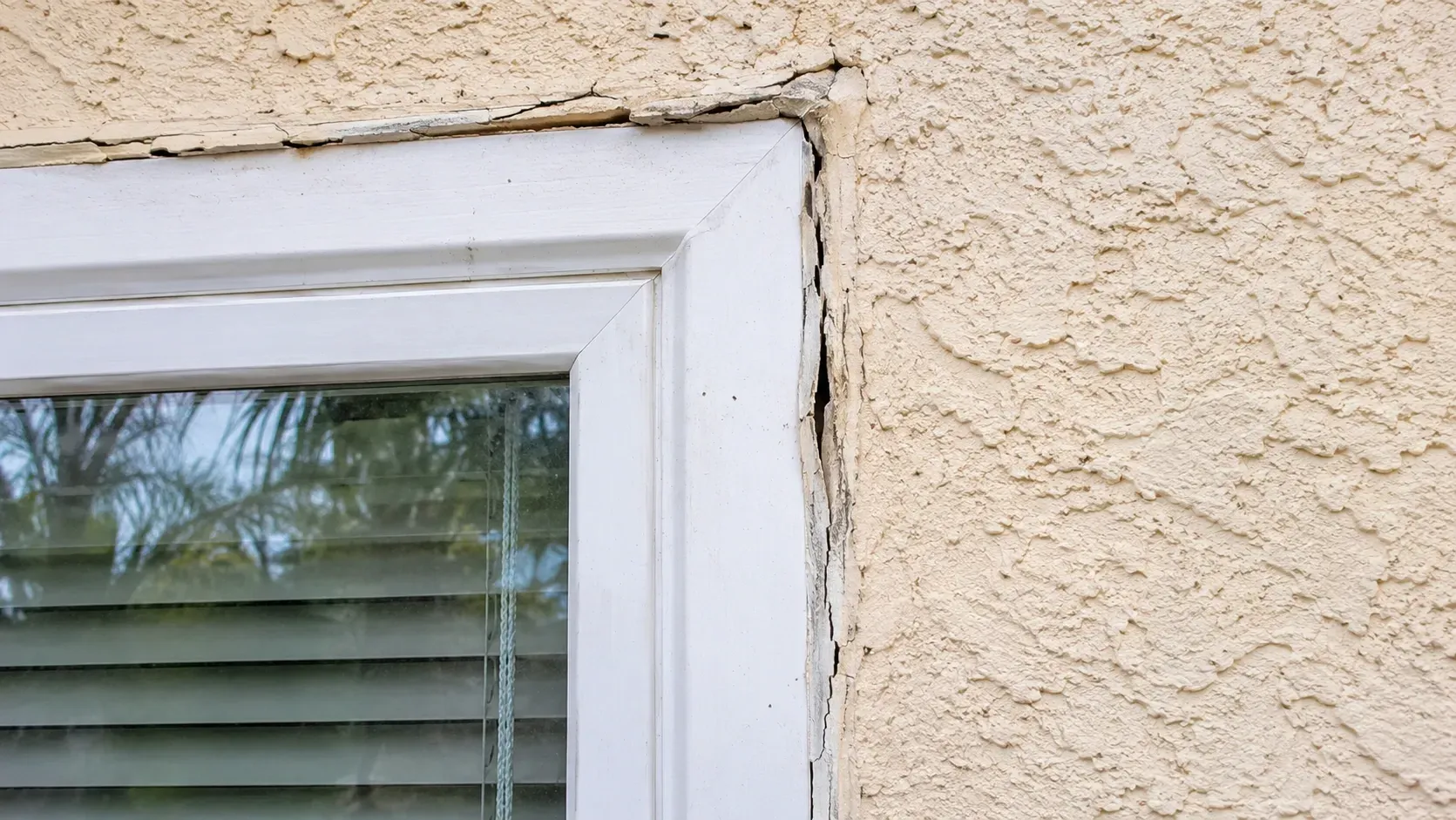
Walk the walls and look for cracks, warped panels, loose pieces and discoloration. Pay attention to corners and the areas under windows, where water tends to collect.
Windows and Doors
Look at the caulk and seals around every window and door. Cracked or missing sealant lets wind-driven rain reach the wall. Open and close each one to see that it still moves freely.
Signs of Water Inside
Now step indoors. Look at ceilings and the tops of walls for stains, bubbling paint or rings that were not there in spring. Check under windows and in closets along outside walls. A musty smell in a closed-up room is also a clue.
Roof Check After Summer Storms: What Counts as a Warning Sign
A roof check after summer storms does not need special tools. You are looking for changes. Anything that is different from your photos from last spring, or that looks out of place, goes on a short list.
Common signs worth noting include:
- Missing, lifted or cracked roofing pieces visible from the ground.
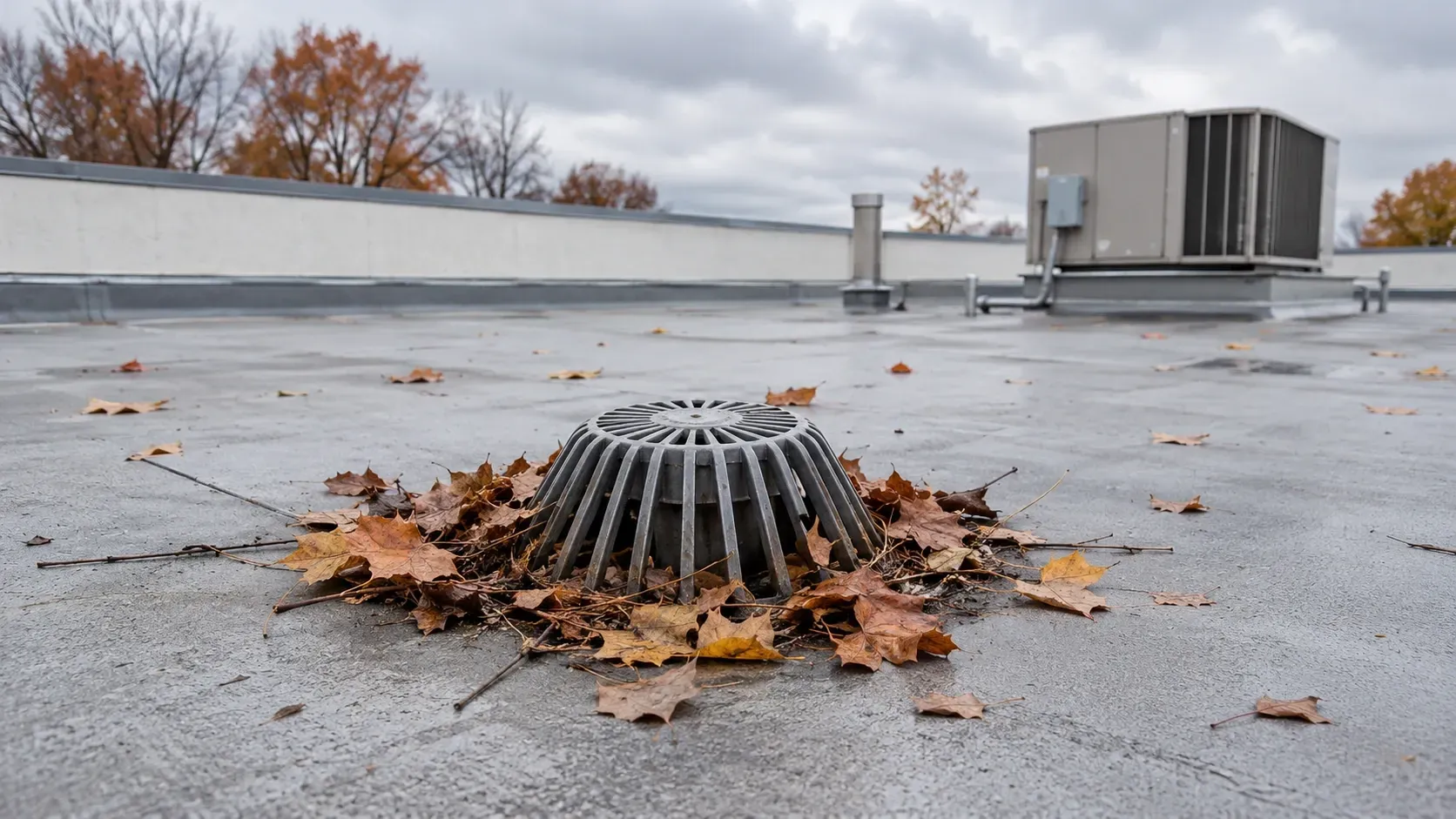
- Debris on the roof, in the gutters or piled against the house.
- Stains on a ceiling or wall inside, even a faint one.
- Daylight, damp spots or a damp smell in a closet or hallway under the roofline.
One item on the list does not mean the roof has failed. Several items together, or a stain that is getting bigger, mean it is time to bring in a professional. If you suspect storm damage, Allstate Exteriors lists storm damage repair as a service, and the Cape Coral hurricane roof repair guide covers what to do right after a storm.
Found Something on Your Walk-Around?
Let a professional check the parts of the roof you cannot see from the ground.
When to Book a Cape Coral Roof Inspection
Your ground-level look is a screening, not a diagnosis. Book a Cape Coral roof inspection when:
- Your list has two or more roof, flashing or soffit items.
- You find a stain inside that you cannot explain.
- You were away through a major storm and cannot tell what the roof went through.
- You do not know how old the roof is and want it checked before the next summer away.
A roofing company can look at the parts you cannot see from the ground and tell you whether the roof needs a repair, a closer look or nothing at all. Allstate Exteriors has been in business since 2002, serves Ohio and Florida, and works on asphalt shingle, metal and tile roofs.
"They were prompt, efficient, and their workmanship was top-notch."
Kimberli L.
Seasonal Home Maintenance Habits for Next Spring
Seasonal home maintenance is easier when it is a routine. Before you leave in the spring, take the same photos you took today and keep them in one folder. Ask a neighbor or property manager to walk the outside of the house now and then and send you a photo if something looks off. Then your return checklist becomes a comparison, not a guessing game.
Snowbird Exterior Checklist FAQs
What belongs on a snowbird home exterior checklist?
Walk the outside from the ground and check six areas: the roof surface, flashing, soffits and fascia, gutters and downspouts, siding, and windows and doors. Then check ceilings and walls inside for water stains. Photograph anything that looks different from last spring. Nothing on the list requires getting on the roof.
Do I need to get on the roof to check it after summer?
No. Stand back in the driveway and look at the whole slope, then look at the edges, gutters and soffits from the ground. Water stains on inside ceilings are another way to see roof trouble without leaving the house. A professional inspection covers the parts you cannot safely see.
What does water damage look like inside after months away?
Look for brown or yellow stains on ceilings, bubbling or peeling paint, rings that have spread, and damp or musty-smelling rooms. Check along outside walls, under windows and in closets under the roofline. Even a faint mark deserves a photo, since stains can grow.
How soon after I get back should I schedule a roof inspection?
Schedule it as soon as your walk-around turns up a roof, flashing or soffit concern, or an unexplained inside stain. If everything looks clean, you can wait. Either way, you can ask Allstate Exteriors for a free estimate, and the team will tell you what they see.
Conclusion
A home that sat empty all summer deserves a careful walk-around before you settle in. Walk the outside, check inside for stains, keep your photos and call a professional when the list gets longer. That small habit keeps Cape Coral winters about enjoying the house, not chasing surprises.
Get a Free Estimate
Ready for a professional look at your roof? Request a free estimate or call the Cape Coral office at 239-319-6069.