
What’s The Process Of Tearing Off A Roof?
Allstate Exteriors • October 25, 2021

For most homeowners, a new roof is a one-time thing. Even the most economical three-tab shingle roof can easily last 20 years with proper maintenance. Architectural and designer shingles, or metal roof panels, will typically last many years longer. No roofer expects you, the homeowner, to be fully knowledgeable about getting a new roof. The new roof cannot go on, however, until the old roof is torn off. Here’s how that happens. 

Layers Upon Layers

Your roof quietly sat up there, year in and year out, not calling attention to itself. But your roof is actually a complex, integrated system of layers and parts. To safely and carefully remove the old, aged roof layers, your residential roofer must know roof anatomy. Whether you have a metal roof or a fiberglass-asphalt shingle roof, some of the layers are the same.

Rafters

We start our tour of your home’s roof inside the attic, where your home’s rafters support the entire roof. Rafters are the angled wooden members; joists are beneath your feet. The two wooden members, rafters and joists, meet at your home’s eaves, the pointy tip of the roof’s bottom edge. If your rafters have suffered over the years, they must be replaced or sistered before any new roof work can begin.


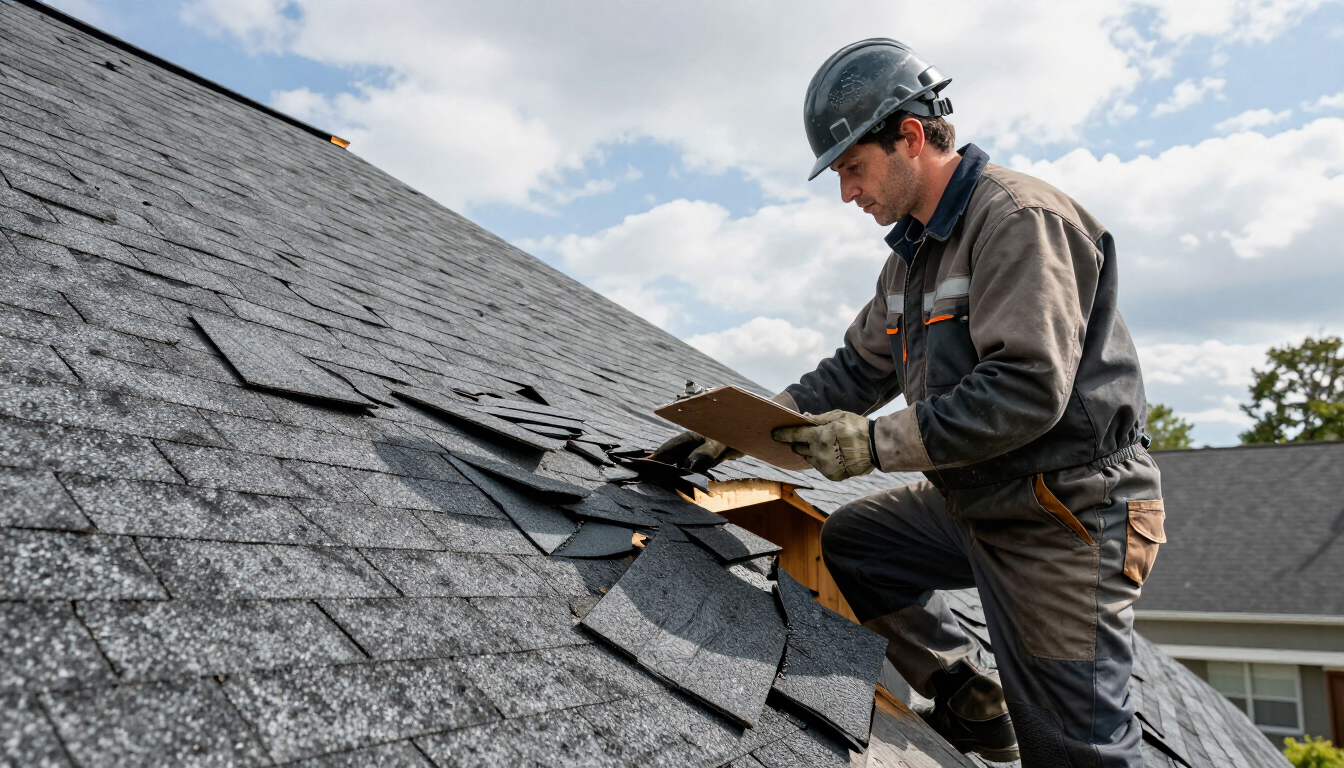
Replacement is preferred; sistering means a second piece of lumber attached to the old, defective piece. Rafters can suffer from insect damage, rot, twisting, cupping, cracking, or bowing. A smooth, even roof depends upon consistent, uniform rafters. 

Sheathing

On top of the rafters, you will find sheathing. This is almost always plywood in older homes, though newer homes may use oriented strand board (OSB). Sheathing supports the roofing material. Typically, a few sheets of sheathing will need to be replaced during a reroof due to rot, water damage, or mold problems. 

Underlayment

Your home’s sheathing was topped with underlayment and, especially for our Iowa and Ohio neighbors, a self-adhesive water and ice shield. Underlayment can be synthetic or natural felt. It is rolled out and stapled down as additional protection against water infiltration into the sheathing. It is usually removed and replaced with fresh underlayment.

Ice and Water Shield

Your home probably had ice and water shield applied in valleys and along the bottom three feet of all eaves. It helped prevent water infiltration from freeze-and-thaw cycles. It is usually a thicker, rubber-like material that sticks and stays down. It self-heals around nail and staple holes from any materials attached to it. Removing ice and water shield takes some real muscle, but if the material is old and worn or has many holes, it will need to be peeled away and replaced. 

Metal or Shingles?

At this point, your roof can diverge in two ways: 

  1. Metal roof panels
  2. Shingles

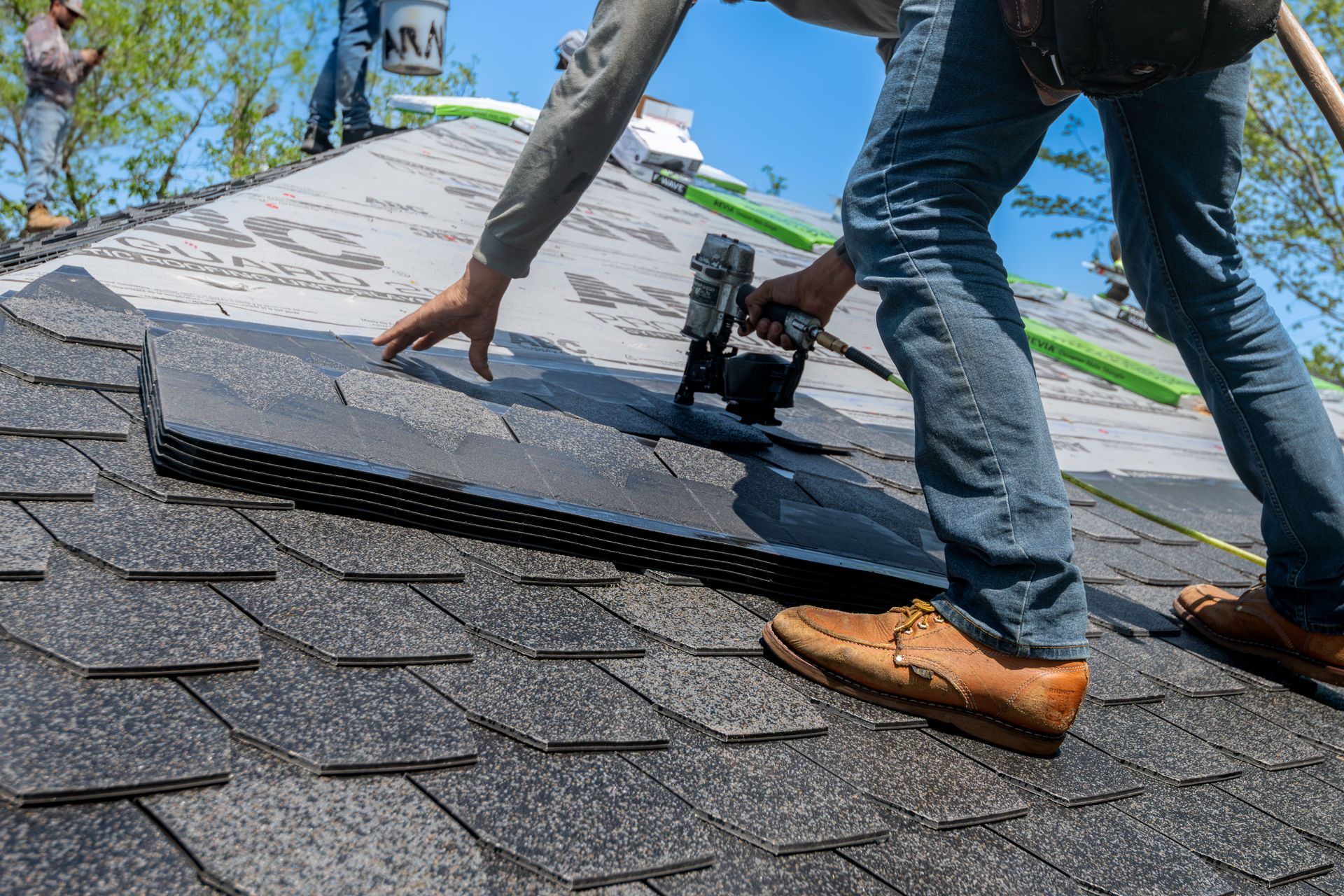
If you are replacing a metal roof with another one, the metal roof was attached, using mechanical fasteners, either to wood battens or directly to the underlayment-covered sheathing. All of those fasteners must be removed by hand. The metal panels must be lowered to the ground for recycling or disposal. The roof must be readied for the new metal roof. If you are replacing a shingle roof, the ridge vent shingles, starter shingles, and field shingles must all be carefully shovel-lifted off the roof. The sturdy, toothed shovels roofers use can lift the roofing nails and shingles up in one motion. 

Roofers work very carefully around sanitary stacks and roof vents since these features protrude from the roof surface. The rubber boots around sanitary stacks almost always must be replaced; a roofer will neatly slice through the old rubber before sliding a new boot over the pipe. Vents are carefully removed and set aside to be reinstalled with new shingles and flashing around them. 

The shingles (or metal panels) coming off the roof must be carted away for recycling or disposal. Keeping debris off landscaping and out of your yard is a priority for roofers; nobody wants a child to fall onto a stray roofing nail. That is why conscientious roofers clean as they go, and periodically sweep the surroundings with a magnetic broom that picks up all the stray bits of discarded nails and metal roofing. 

Tearing Off

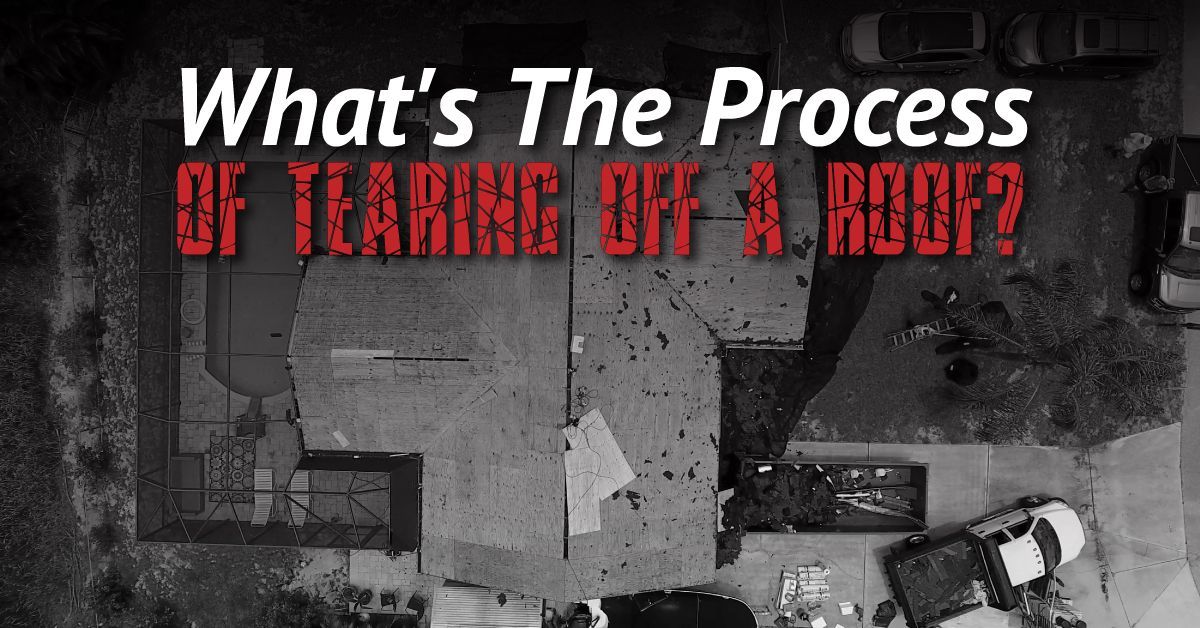
The term “tearing off a roof” is a slight exaggeration since the work is done carefully. Roofers need to be physically fit and tough; the work is grueling. Yet they also have a light touch so your roof is largely preserved unscathed. 

Please contact us today at Allstate Exteriors & Restoration Services LLC. Whether your home is in Iowa, Ohio, or Florida, we are here to help make your home a showpiece. We offer full service for roofing, siding, and gutters. We never leave a job until you, our loyal customers, are completely satisfied. We’ll finish the job right, no matter what it takes.
April 20, 2026
Your roof rarely fails overnight. Most roofing problems start small, subtle, and easy to miss until they turn into expensive repairs. For homeowners in Blacklick, Ohio, catching these early warning signs is one of the smartest ways to protect your home, avoid major disruptions, and extend the life of your roof . With Ohio’s mix of freezing winters, humid summers, and sudden storms, your roof is constantly under pressure. Homes across Blacklick , Reynoldsburg, and Gahanna experience everything from ice dams to wind damage , which means early detection is not just helpful, it is essential. At Allstate Exteriors, we have inspected and repaired hundreds of roofs throughout the area. The pattern is always the same. The homeowners who act early save thousands. The ones who wait often face full replacements sooner than expected. This guide will walk you through how to identify early roof damage, what causes it in Blacklick, and what you can do right now to prevent small issues from becoming costly problems. Why Early Roof Damage Detection Matters Blacklick homes face a unique combination of environmental stress. Winter brings freeze and thaw cycles that expand and contract roofing materials. Summer adds humidity and UV exposure that weaken shingles over time. Small issues such as a lifted shingle or minor flashing gap may not seem urgent. However, these tiny entry points allow moisture to seep in. Over time, that moisture can damage underlayment, rot the roof deck, and even affect your attic insulation. Early roof damage detection is about stopping problems at the surface before they reach the structure beneath. It is not just about avoiding repairs. It is about preserving your home’s integrity. The Most Common Early Signs of Roof Damage Knowing what to look for is the first step. Many signs of early roof damage are visible from the ground or inside your home if you know where to check. Granules in Gutters and Downspouts If you notice a sand-like material collecting in your gutters, those are shingle granules. These granules protect your roof from UV rays. Once they begin to wear away, shingles become vulnerable to cracking and deterioration. Homes in Blacklick often experience accelerated granule loss due to summer heat and storm activity. Curling or Buckling Shingles Shingles should lie flat. If you see edges curling upward or sections that appear uneven, it is a sign that your roof is aging or experiencing moisture issues. Curling shingles are especially common in older roofs across neighborhoods near Broad Street and Waggoner Road. Dark Streaks and Algae Growth Humidity in Blacklick creates the perfect environment for algae growth, especially on shaded roof sections. While it may start as a cosmetic issue, algae can trap moisture and slowly degrade roofing materials. Small Interior Water Stains One of the earliest indoor signs is a faint stain on your ceiling or walls. Even a small discoloration can indicate a slow leak that has been active for weeks or months. Missing or Loose Shingles After storms, it is important to visually check your roof. Even one missing shingle can expose the underlying structure to water damage.
April 8, 2026
Your home is more than just a place to stash your stuff; it’s the place you’ve poured your life into. Living here in Westerville, we’re lucky to have such a great mix of tight-knit neighborhoods and quick access to everything we need. Whether you’re grabbing coffee near Uptown or taking the kids to spend an afternoon at Inniswood, you know this area is special. But let’s be honest: Ohio weather isn't always kind to our houses. Between the brutal freeze-thaw cycles in the winter and that sticky humidity we get living near the reservoir, your roof takes a beating. It’s the first line of defense for everything inside your walls.  If you’ve been spotting a few stray shingles in the yard or just have a nagging feeling that your roof is getting a bit long in the tooth, you’re in the right place. As a local roofing company, we’ve been up on enough Westerville rooftops to know exactly what makes them tick, and what tends to go wrong. Why "Local" Actually Matters There’s a big difference between a national franchise and a crew that actually lives and works here. We aren’t just reading a manual; we’ve dealt with the same storms you have. The Ohio Reality Check We don’t have mild winters here. We have "ice dam" winters. When your attic isn't venting heat properly, the snow on your roof melts, runs down to the eaves, and freezes again. That cycle can force water right under your shingles and into your insulation. If you’ve ever seen water spots on your ceiling after a winter thaw, that’s usually the culprit. On the flip side, our summers can be relentless. All that heat and humidity can lead to moss or algae growth, especially on the north side of the house where the sun doesn't hit as much. If you let that stuff sit, it eventually eats away at the grit on your shingles. Matching the Neighborhood We’ve worked on everything from the historic homes with unique angles to the newer builds in the suburbs. Every home needs a slightly different strategy. A quick patch might be fine for one house, but a total re-roofing might be the smarter, cheaper play for another. We’re not here to upsell you; we’re here to tell you what your specific roof needs to last another 20 years.
April 1, 2026
Comprehensive Ohio roofing guide covering repair, replacement, and installation tips for homes and businesses. Protect your roof year-round.
March 25, 2026
 Running a business in Beavercreek, Ohio comes with its unique set of challenges and responsibilities. One of the most critical investments for any commercial property is the roof. A well-designed, high-quality roof protects your building, employees, and assets while enhancing energy efficiency and reducing long-term maintenance costs. Understanding the best options for your property is crucial, and Commercial Roofing Solutions for Beavercreek Businesses from Allstate Exteriors are designed to meet the diverse needs of local businesses throughout Greene County. From office buildings in central Beavercreek to retail centers near Wright-Patterson Air Force Base, commercial roofing requires specialized knowledge. Allstate Exteriors combines decades of experience, local expertise, and a commitment to quality to ensure that your business receives roofing solutions that stand the test of time. Why Commercial Roofing Matters for Beavercreek Businesses Commercial roofs face different pressures than residential roofs. They cover larger areas, often have more complex structures, and are exposed to frequent foot traffic during maintenance. Weather in Beavercreek adds another layer of complexity. Summer storms bring heavy rain and high humidity, while winter conditions include snow, ice, and temperature fluctuations. Over time, these elements can degrade roofing materials if not properly maintained or installed. Investing in a professional roofing system reduces the risk of leaks, structural damage, and costly emergency repairs. It also protects your employees, inventory, and customers from exposure to the elements. A well-planned roof contributes to the operational efficiency of your business and can even improve energy performance, which is increasingly important for modern commercial properties.
March 18, 2026
Protect your Bellbrooke, OH home year-round with Allstate Exteriors’ seasonal roof maintenance checklist. Learn expert tips, local insights, and proven strategies to extend the life of your roof and prevent costly damage.
March 11, 2026
Discover how Allstate Exteriors helps homeowners in Baltimore, OH choose the right roof for humid summers and cold winters. Learn about roofing materials, local climate challenges, and expert solutions designed for long-term performance.