
A deeper photo checklist for Ohio homeowners after hail damage, built around safe documentation, gutters, soft metal, interior clues, and professional inspection handoff.

After hail hits an Ohio roof, the most useful photos show the whole property first, then the specific damage. Start with each side of the home, then document gutters, downspouts, roof vents, flashing, siding, window screens, and any interior water signs. Do not walk the roof for a better picture. A safe, organized photo set helps a professional inspector and insurance adjuster understand the timeline, damage pattern, and areas that need closer review.
Photograph the Whole Property Before Any Close-Up
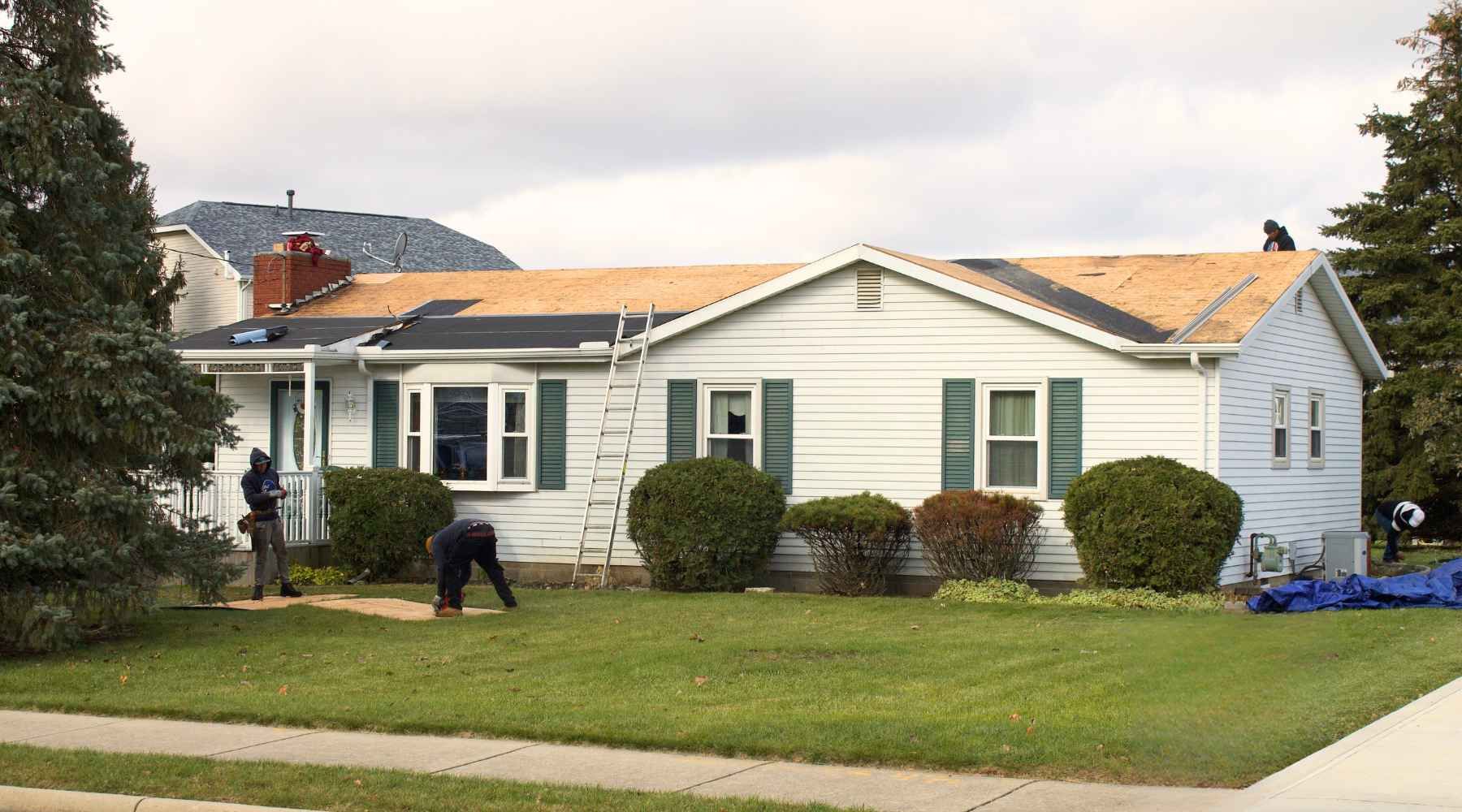
The first mistake many homeowners make is starting with a tight shot of one shingle. A close-up can show texture, but it does not show where that mark is, what roof plane it belongs to, or whether the same pattern appears across the home. A useful storm file starts wide. Stand back and photograph the front, back, left, and right sides of the house. Include the roofline, gutters, siding, downspouts, windows, and any storm debris still visible on the property.
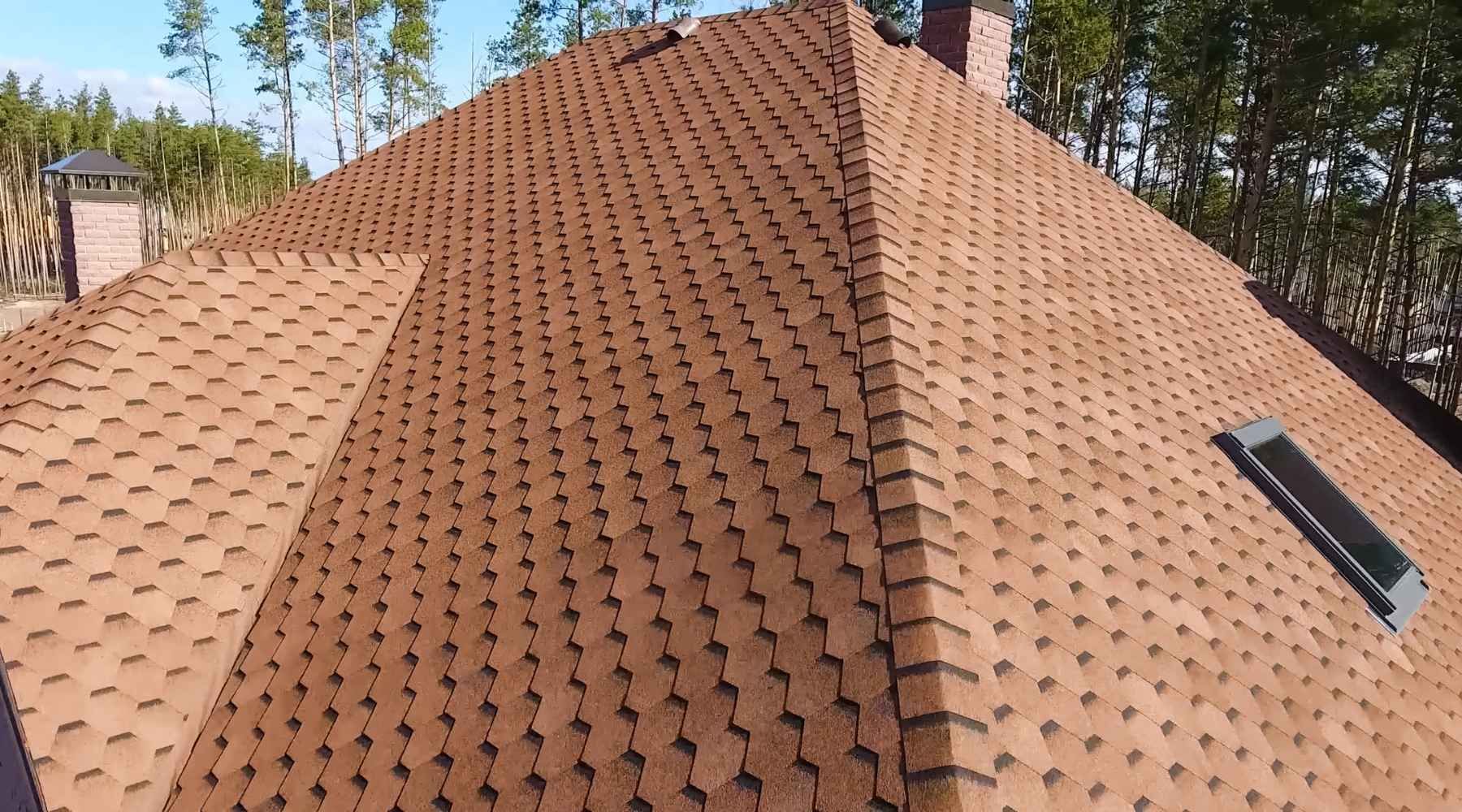
Those wide photos give every later image a home. When an inspector reviews the file, the close-up of a dented vent cap or granule loss can be tied back to a roof slope instead of floating by itself in a camera roll. That matters because hail damage is usually evaluated as a pattern, not as one isolated mark. The stronger your sequence, the easier it is for another person to understand what happened without standing beside you in the yard.
Use a Roof-to-Ground Sequence That Reads Like a Case File
Work through the property in the same order every time:
The Most Useful Roof Photos Are Also the Safest Ones
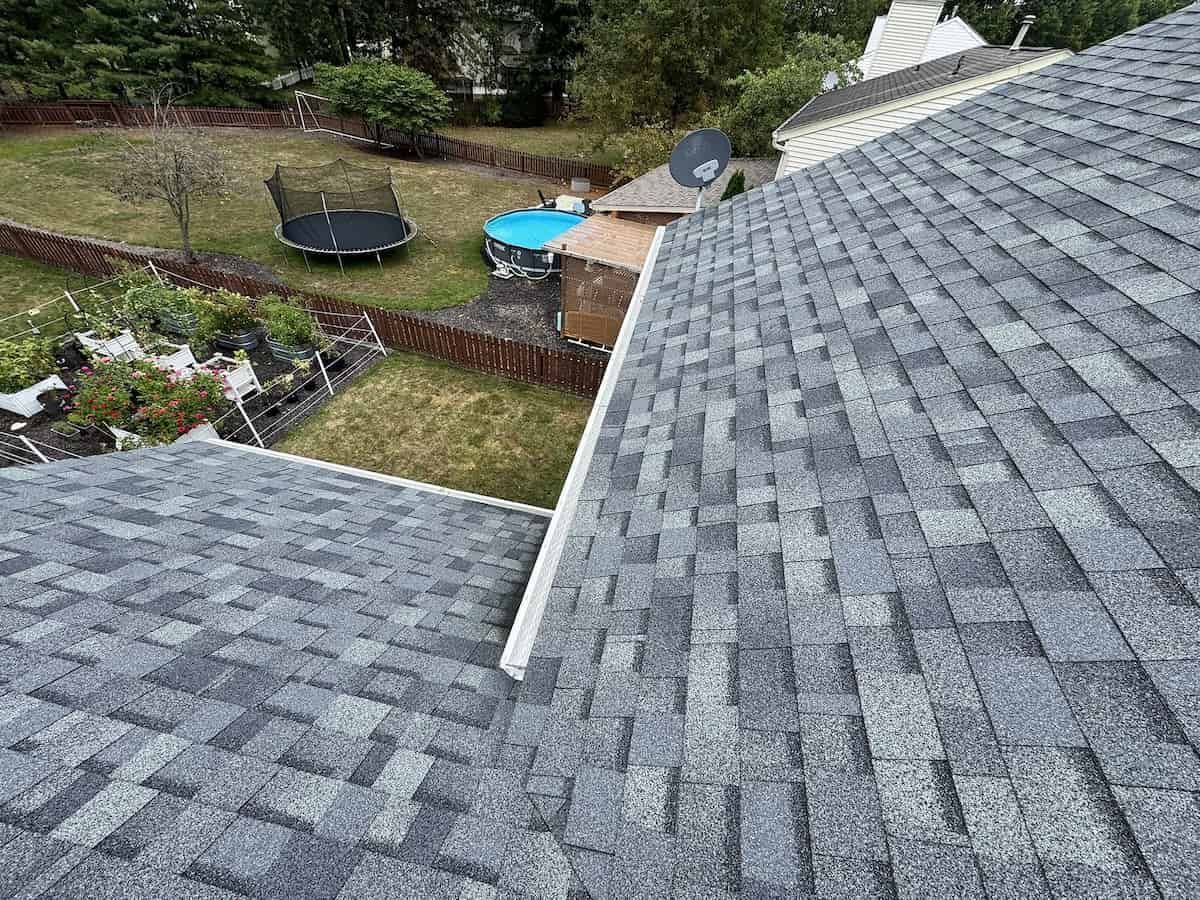
A homeowner photo set should not require walking on a storm-damaged roof. Wet shingles, loose granules, lifted tabs, and unseen deck damage can make a roof more dangerous than it looks. Ground-level photos, ladder-at-eave photos taken only when safe, and interior photos are enough for the homeowner record. A roofing professional can document the roof surface with the right equipment and fall-protection habits.
If a mark is visible from a safe vantage point, include scale. A coin, chalk circle, or nearby roof feature can help show size. Avoid filters, zoomed screenshots, and cropped images that remove context. Clear ordinary photos are better than dramatic ones. The goal is not to make damage look worse. The goal is to make the evidence easy to trust.
Gutters and Soft Metal Often Tell the Storm Story
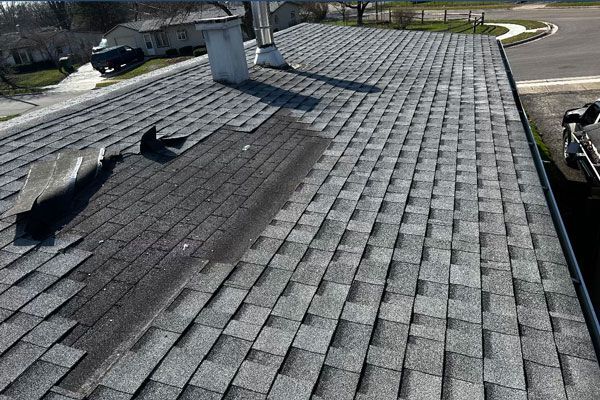
Hail can bruise shingles in ways that are hard to see from the yard, but gutters and metal components often record the storm more plainly. Downspouts may carry loose granules to the ground. Gutter lips can dent. Vents, flashing, and HVAC fins can show scattered impact marks. When those marks appear on multiple sides of the home, they help an inspector decide where to look more closely.
| Area | What to Photograph | Why It Helps |
|---|---|---|
| Downspout exits | Granule piles, shingle grit, splash marks, and debris | Shows material that may have washed off the roof after impact |
| Gutter runs | Dented lips, loose hangers, pulled seams, and granules inside the trough | Connects roof damage to drainage and edge conditions |
| Roof vents and flashing | Random dents, scraped coating, lifted edges, and bent metal | Gives the inspector a clearer impact pattern |
| Window screens and trim | Tears, dents, cracks, and debris hits | Shows whether the storm affected more than the roof |
Interior Clues Belong in the Same Evidence Set
A roof can be damaged before water appears inside, but interior photos still matter. If you see a ceiling stain, bubbling paint, damp attic insulation, or daylight through decking, photograph it in the same file as the exterior damage. Include one wider room photo before the close-up so the location is clear. Then take a closer image of the stain or moisture area.
Do not repair interior drywall before the roof has been inspected unless you need emergency mitigation. Covering the symptom too soon can make it harder to connect the leak path to the exterior issue. If water is actively entering, document it, protect the property, and schedule an inspection quickly.
Organize the File So Another Person Can Understand It
The best photo set is simple to follow. Create a folder named with the storm date and property address. Inside that folder, use plain labels such as front roof, rear roof, gutters, vents, siding, interior, and attic. If your phone stores location and time data, keep the originals instead of sending only screenshots. If you write notes, keep them factual: what you photographed, where it was, and when you noticed it.
This organization helps your contractor, adjuster, and your own future self. Months later, you may not remember whether a stain was in the upstairs hallway or a back bedroom. A well-labeled image set answers that before anyone has to ask.
Not Sure What You're Looking At?
Let a professional review the damage and turn your photos into a clear repair scope.
A Professional Inspection Turns Photos Into a Repair Scope
Homeowner photos are the beginning of the record. They are not a substitute for a roof inspection. Allstate Exteriors' storm damage repair page describes inspection, damage assessment, detailed storm damage reports, and insurance claim support. That professional layer matters because an inspector can check roof slopes, penetrations, flashing, decking clues, and damage patterns that are not visible from the ground.
Bring your photos to the inspection. They help establish what you saw right after the storm and where the inspector should spend time. When your photo sequence and the inspection report line up, the claim conversation becomes more grounded in evidence and less dependent on memory.
Frequently Asked Questions
Should I photograph hail damage before calling insurance?
Yes. If it is safe, photograph the exterior and any interior water signs before the scene changes. Then schedule a professional roof inspection so the damage can be documented in detail.
What should I avoid photographing after hail?
Avoid unsafe roof access, extreme zoom, filters, and photos that remove context. Clear wide shots and normal close-ups are more useful than risky or over-edited images.
Can gutter granules prove hail damage by themselves?
Granules in a gutter can support the inspection story, but they do not prove the full cause alone. They should be reviewed with roof photos, soft-metal marks, weather timing, and a professional inspection.
What if I cannot tell whether the roof mark is storm damage?
Photograph it and let the inspection sort it out. A trained inspector can compare the mark to surrounding shingles, metal components, and the larger storm pattern.
Get a Professional Storm Damage Inspection
Your photos are the start of the record — the next step is a professional set of eyes. As a trusted Columbus, OH roofing contractor serving Central Ohio since 2002, Allstate Exteriors provides storm damage inspections, detailed reports, and insurance claim support. Bring your photos and we'll take it from there.